It wasn't supposed to go down like this. A year ago, if you’d walked into a diner in Bay Ridge or a posh coffee shop on the Upper West Side and said a 34-year-old democratic socialist from Uganda would be the next Mayor of New York City, people would have laughed. They’d have probably checked your pulse.
But here we are in January 2026. Zohran Mamdani didn't just win; he essentially reshaped the city's entire political gravity.
The narrative during the campaign was often that he was "too far left" or "too niche" for a city as complex and institutional as New York. Pundits figured he had a ceiling. They were wrong. As the race unfolded, we saw exactly how Mamdani widens mayoral support by moving beyond a narrow activist base and tapping into a deep, cross-borough frustration over the cost of living.
The Coalition That Surprised Everyone
Politics in NYC usually follows a very predictable script. You get the real estate money, you secure the traditional labor unions, and you hope the outer boroughs don't get too cranky. Mamdani flipped the script. He built a coalition that shouldn't, on paper, work together.
Basically, he combined the high-energy youth vote with a massive surge of support from immigrant communities and rent-burdened families. It wasn't just "kids on TikTok" (though his social media game was, honestly, lightyears ahead of everyone else). It was the delivery drivers, the CUNY students, and the grandmothers in Astoria who were tired of seeing their rent eat 60% of their income.
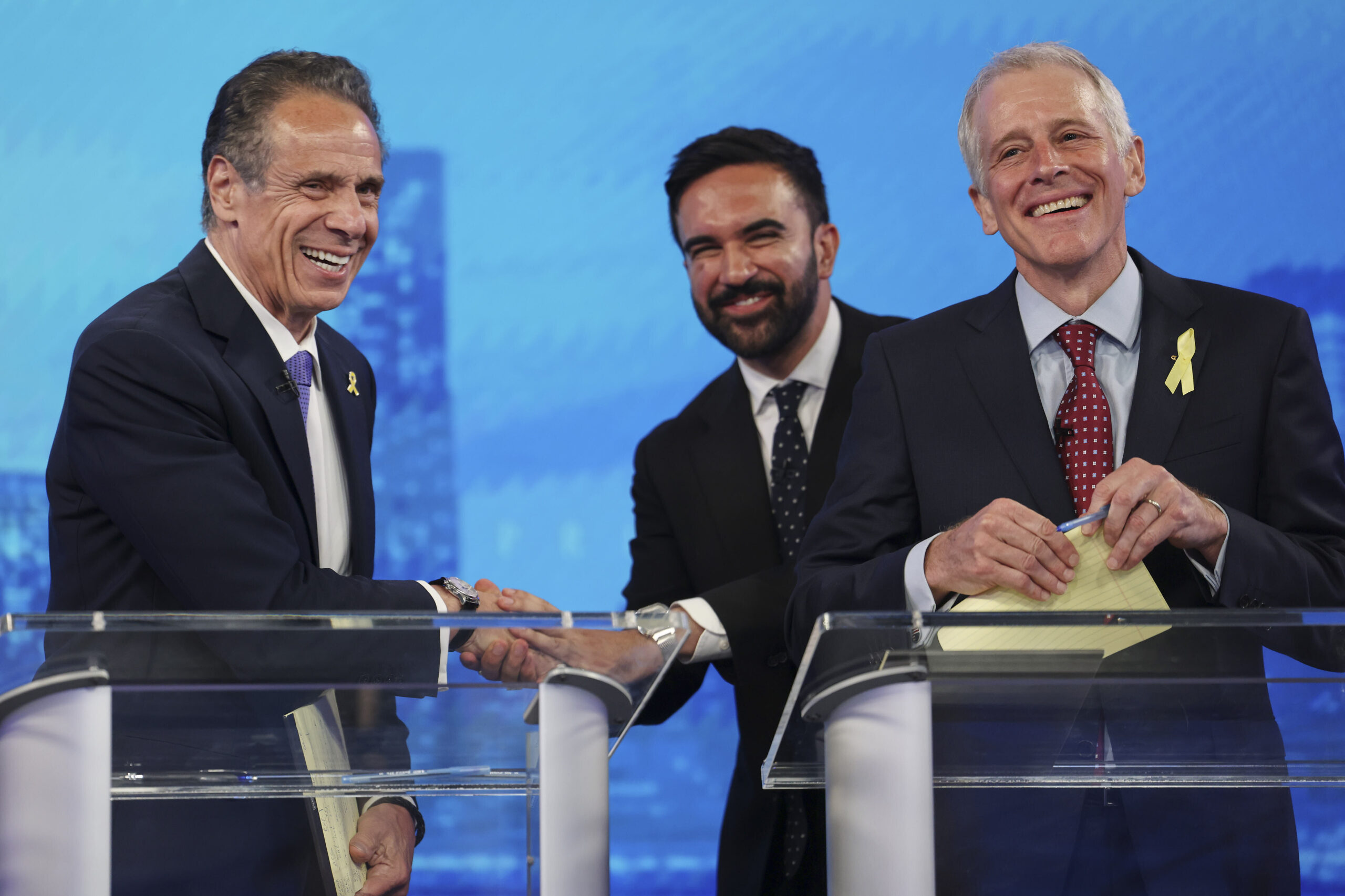
The numbers from the final stretch of the election tell a pretty wild story. By late October 2025, Quinnipiac was showing Mamdani at 43% support among likely voters, holding a massive lead over former Governor Andrew Cuomo. What’s even crazier? He was pulling 61% of the Asian vote and nearly half of all Black voters.
This wasn't a fringe movement. It was a takeover.
Why the "Establishment" Failed to Stop Him
Andrew Cuomo tried to run on "experience" and "leadership." He banked on New Yorkers wanting a steady hand after the chaos of the previous administration. But for a lot of people, "experience" felt like a code word for "more of the same."
Mamdani’s team focused on very specific, tangible promises. They didn't talk in platitudes. They talked about:
- Free bus service (a huge deal for people in transit deserts).
- Universal childcare starting at six weeks old.
- City-owned grocery stores to fight food deserts.
- A total rent freeze for the city’s 2.5 million rent-stabilized tenants.
When you tell a guy in the Bronx that he’s going to save $2.90 every time he goes to work, that matters more than a glossy flyer about "reclaiming our city." Mamdani’s ground game was also just... absurd. We're talking about an army of over 100,000 volunteers. They knocked on 3 million doors. You can't out-buy that kind of human power with TV ads.
Labor Shifts and the Endorsement Waterfall
Early on, most of the "big" unions were playing it safe or backing Cuomo. But the dam broke when the UAW (United Auto Workers) became the first major union to go all-in for Mamdani. It was a shock to the system.
Soon, the UFT (United Federation of Teachers) followed. Then the PSC-CUNY. By the time the general election rolled around, the Working Families Party and groups like New York Communities for Change weren't just endorsing him; they were his frontline soldiers.
The shift happened because the rank-and-file members pushed their leadership. It was a bottom-up movement. You'd see Mamdani at 5:00 AM on a picket line, not just for a photo op, but actually standing there for hours. That stuff gets around. It builds a kind of trust that you can't fake with a press release.
Bridging the Generational Gap
The biggest hurdle was always the "older" voter. You know the ones—they vote in every election, they're skeptical of the word "socialist," and they care deeply about public safety.
Cuomo and Curtis Sliwa (the Republican candidate) hammered Mamdani on crime. They tried to paint him as someone who would dismantle the NYPD. Mamdani countered by talking about a "Department of Community Safety" that would send mental health workers to emergency calls instead of just more cops.
It didn't win over everyone on Staten Island—Sliwa still held that borough—but it softened the blow. Mamdani didn't need to win the "law and order" crowd; he just needed to convince enough of them that he wasn't the "scary radical" the TV ads claimed he was. He used humor. He used common sense. Most importantly, he acknowledged that people do feel unsafe, but argued that safety comes from stability and housing, not just handcuffs.
The Reality of Governing: 2026 and Beyond
Winning the election was the easy part. Now, Mayor Zohran Mamdani has to actually run the biggest city in the world while dealing with a potentially hostile federal administration and a skeptical business community.
He’s already started swinging. In his first few weeks, he’s signed executive orders to crack down on "junk fees" and "subscription traps." It’s a classic Mamdani move: find a specific, annoying thing that costs regular people money and kill it.
Can He Deliver on the Big Stuff?
The real test is his relationship with Albany. Governor Kathy Hochul has been surprisingly cooperative so far, particularly on the universal childcare front. They recently announced free childcare for two-year-olds in the city. It’s a start.
But things are gonna get messy when it comes to:
- The Transit Budget: Who pays for the "free buses"? The MTA is a state agency, and they aren't exactly swimming in cash.
- Real Estate: The big developers are terrified of his rent control plans. They have deep pockets and lots of lawyers.
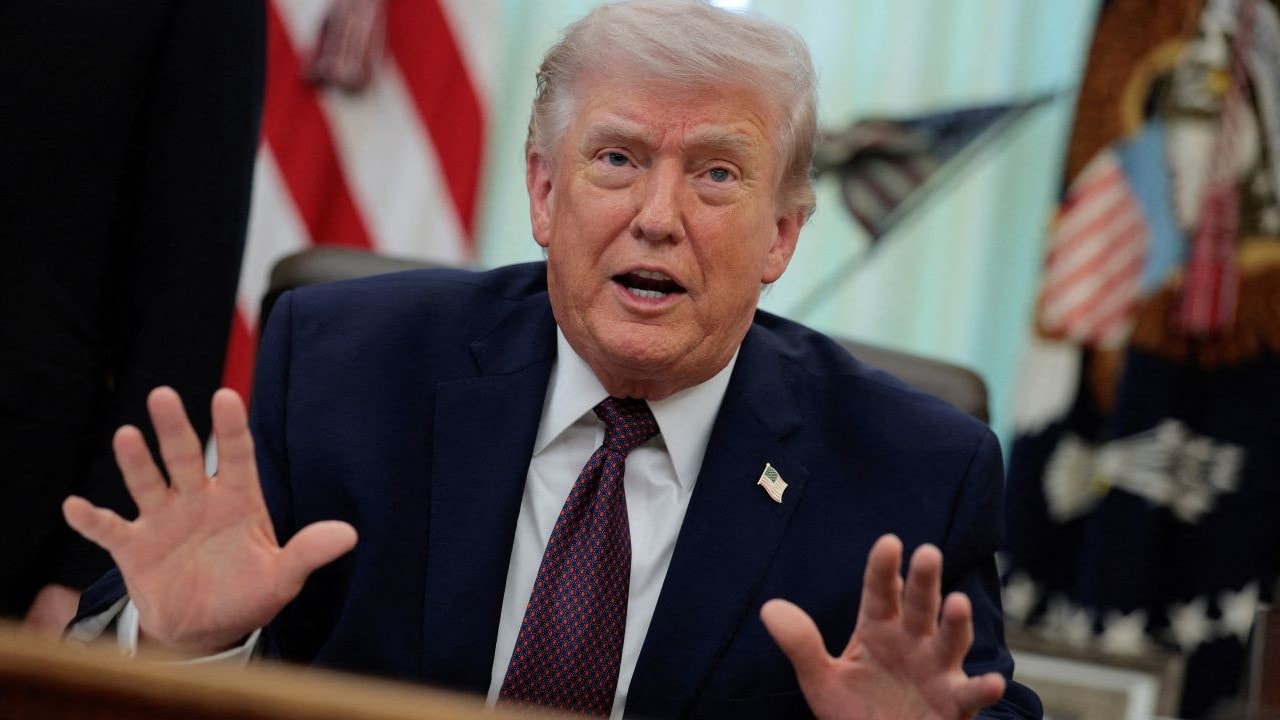
- The Federal Clash: Trump has already made threats about withholding funds. Dealing with a White House that actively wants you to fail is a nightmare for any mayor.
Mamdani is betting that if he keeps delivering "small wins"—like the free theater tickets he recently gave away or the bathroom expansion project—he can keep his approval ratings high enough to bully the legislature into the bigger changes.
Actionable Steps for New Yorkers Following the New Administration
If you’re living in NYC and want to see if the "Mamdani Effect" actually helps your wallet, you need to stay active. Don't just watch the news; use the tools the new administration is rolling out.
- Check Your Eligibility for New Childcare Subsidies: The partnership between the Mayor and the Governor is expanding seats rapidly. Even if you didn't qualify last year, the income thresholds are shifting.
- Report Junk Fees: The new task force under Deputy Mayor Julie Su is looking for targets. If a local business or service is hitting you with hidden "service charges" that weren't disclosed, document it and send it to the Department of Consumer and Worker Protection.
- Monitor the Bus Pilot Programs: Keep an eye on the B-line routes in your borough. The "fare-free" pilot is expected to expand to more lines by summer 2026. If your route is on the list, stop paying. It’s literally the law now for those specific lines.
- Engage with Your Community Board: Mamdani’s platform relies heavily on local input for "social housing" projects. If you want more affordable housing in your neighborhood, you have to show up to these meetings to counter the NIMBY (Not In My Backyard) crowd that usually dominates them.
The era of "politics as usual" in New York is officially on hiatus. Whether Mamdani can actually make the city "affordable" remains to be seen, but he’s certainly got the mandate to try. The sheer scale of how Mamdani widens mayoral support proves that the city's appetite for radical change wasn't just a phase—it was a new reality.