Politics in New York usually feels like a scripted drama where the person with the most money and the oldest name wins. But the 2025 mayoral race just threw that script into the East River. If you haven't been following the chaos, Zohran Mamdani, a 34-year-old state Assemblyman and democratic socialist, basically pulled off the political equivalent of a miracle. He didn't just win; he shattered the ceiling to become the city’s first Muslim and South Asian mayor.
It was wild.
Most people figured Andrew Cuomo would waltz back into City Hall after Eric Adams' campaign imploded under the weight of federal investigations and single-digit approval ratings. Cuomo had the name. He had the money. He even had a party he basically invented called "Fight and Deliver." But New Yorkers were tired. They weren't looking for a "comeback kid" or a "law and order" veteran; they were looking for someone who actually understood why a sandwich in Queens now costs fifteen dollars.
How Zohran Mamdani Flipped the Script
The term New York City mayor candidate usually brings to mind guys in power suits shaking hands at high-end galas. Mamdani was the opposite. He’s a guy who once worked as a foreclosure prevention counselor and a rapper. Seriously. His campaign wasn't about "polishing" New York's image; it was about the fact that the city is becoming unlivable for the people who actually run it.
He leaned hard into a progressive economic platform that made the establishment very nervous. We’re talking about things like:
- A flat 2% tax on New Yorkers making over $1 million.
- Freezing rents on rent-stabilized apartments.
- Funding universal childcare by taxing the ultra-wealthy.
People called it "radical." Cuomo’s camp tried to frame it as "Zohran lite" or "socialist dreaming." But here’s the thing—it resonated. While the other candidates were bickering about who was "tougher" on crime, Mamdani was talking about the $1 billion he wanted to move into a new Department of Community Safety that would use mental health workers instead of just more badges in the subways.
The June primary was the first real shock. Cuomo was the frontrunner in almost every poll leading up to it. Then, the ranked-choice voting kicked in. Mamdani didn't just "get lucky"—he built a coalition that spanned the boroughs. He dominated Brooklyn. He made massive inroads with Latino voters, doubling his support among them in the final month of the primary. When the dust settled, he had 56% of the Democratic vote.
The Cuomo and Sliwa Factor
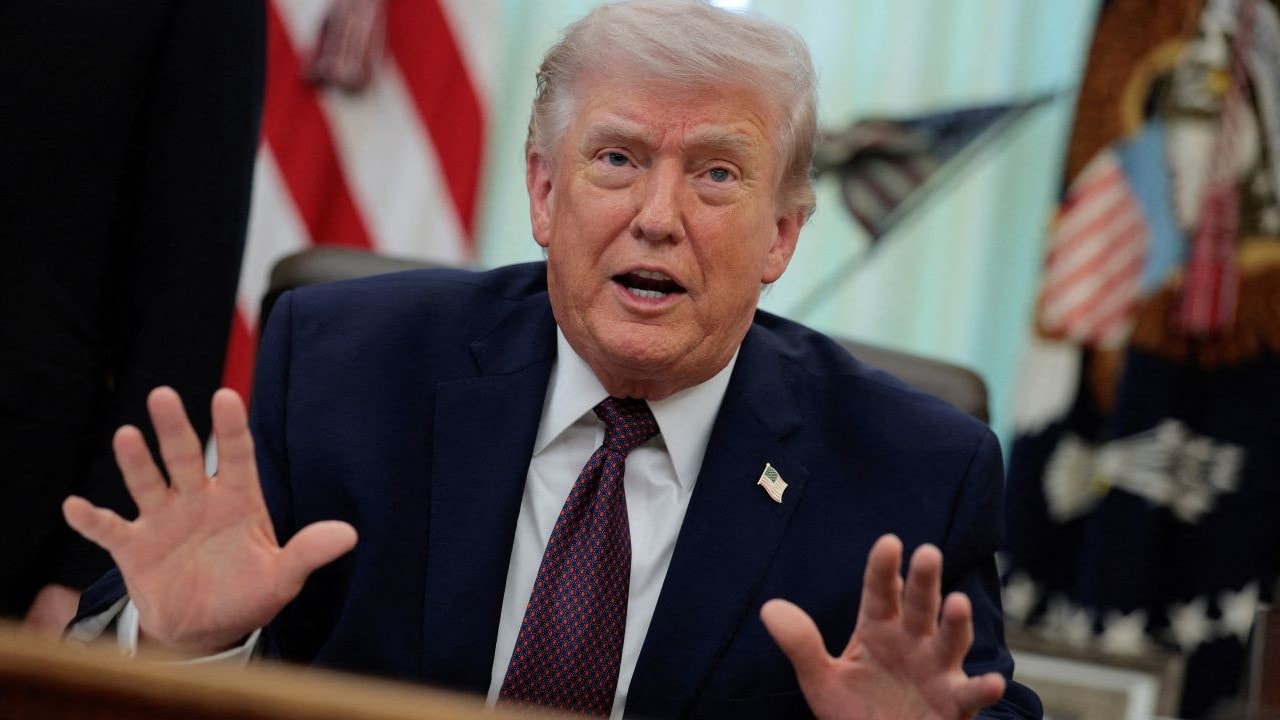
You’ve gotta give it to Andrew Cuomo; the man does not know how to quit. After losing the Democratic primary, he stayed in the race on an independent line. He bet that "moderate" New Yorkers and Staten Island voters would save him. He even got an endorsement from Donald Trump—which he quickly rejected, but the damage (or the weirdness) was already done.
Then you had Curtis Sliwa. The man with the red beret. He’s like a permanent fixture of NYC elections at this point. Sliwa ran on a "law and order" platform, promising to hire 7,000 more cops. He even said he’d change his look if he won, though nobody really believed he’d ditch the beret. In the end, he only pulled about 7% of the vote. He was basically a bystander in a heavyweight fight between the progressive future and the centrist past.
Why This Election Felt Different
Honestly, the incumbent, Eric Adams, being a "ghost" on the ballot was the weirdest part. He technically withdrew in September 2025 after his poll numbers hit a dismal 9%. But since he missed the deadline to get off the ballot, he was still there, like a haunting reminder of the administration everyone was trying to move past. He even endorsed Cuomo toward the end, which felt more like an "enemy of my enemy" move than a genuine vote of confidence.
The turnout was the real story, though. Over 2.2 million New Yorkers voted. That’s the highest turnout for a mayoral race since 1969. Why? Because the stakes felt personal.
New York is facing a massive affordability crisis. The "Tale of Two Cities" isn't a slogan anymore; it’s a daily reality. When Mamdani talked about climate justice and Local Law 97, he wasn't just talking about polar bears. He was talking about how basement apartments in Queens flood every time it rains because the infrastructure is rotting. He connected the dots between housing, climate, and the fact that middle-class families are fleeing the city.
The New Power Map of NYC
If you look at where the votes came from, it’s clear the old political machines are broken.
- The Bronx and Staten Island: Stayed relatively loyal to the centrist/Cuomo lane.
- Brooklyn and Manhattan: Became Mamdani strongholds.
- Queens: Was the ultimate battleground where Mamdani’s "gritty" ground game paid off.
Mamdani’s win wasn't just a win for the "left"—it was a win for the "young." He’s the youngest mayor the city has seen since the late 1800s. He represents a generation that is tired of waiting for "eventual" change while their rent goes up 10% every year.
What Happens Now?
Winning the election was the easy part. Now Mamdani has to actually govern a city that is famously difficult to manage. He’s going to face immediate pushback from the real estate lobby and the "luxury" market, especially regarding his rent freeze promises and millionaire tax.
He’s also inheriting a city budget that’s stretched thin and a relationship with the federal government that is... complicated, to say the least. But for the millions of New Yorkers who felt invisible for the last four years, this result feels like a breath of fresh air.
If you're wondering how this affects you, keep an eye on these specific shifts:
- Housing Policy: Look for a push for "Good Cause" eviction protections and a freeze on rent-stabilized units.
- Transit Safety: The rollout of the Department of Community Safety will be the first test of whether his "mental health first" approach actually works in the subways.
- Taxes: If you’re pulling in over seven figures, your tax bill is likely going up by about 2% to pay for those universal childcare slots.
The era of the "celebrity mayor" might be over. New York just traded a party-boy cop and a legacy governor for a socialist assemblyman who spends his time talking about bus frequencies. It’s a gamble, sure. But in a city this broke and this expensive, most voters decided they’d rather bet on the new guy than lose again with the old ones.
Actionable Insights for New Yorkers
- Watch the City Council: Mamdani's biggest hurdles won't just be the lobby groups; it'll be the more moderate members of the City Council. If you want his policies to pass, that's where the next battle is.
- Rent Stabilization: If you live in a rent-stabilized unit, stay updated on the Rent Guidelines Board meetings. Mamdani's "freeze" promise will have to go through them first.
- Public Safety Forums: Participate in the upcoming neighborhood "Community Safety" town halls. This is where the new department will be shaped, and your input on how mental health workers are deployed is actually going to matter now.
References:
- New York City Board of Elections, 2025 General Election Results.
- "Meet the NYC mayoral candidates running in 2025," CBS News New York.
- "Dollars, Sense, and the 2025 Mayoral Election," Center for New York City Affairs.
- "Zohran Mamdani wins history-making victory," ABC News.