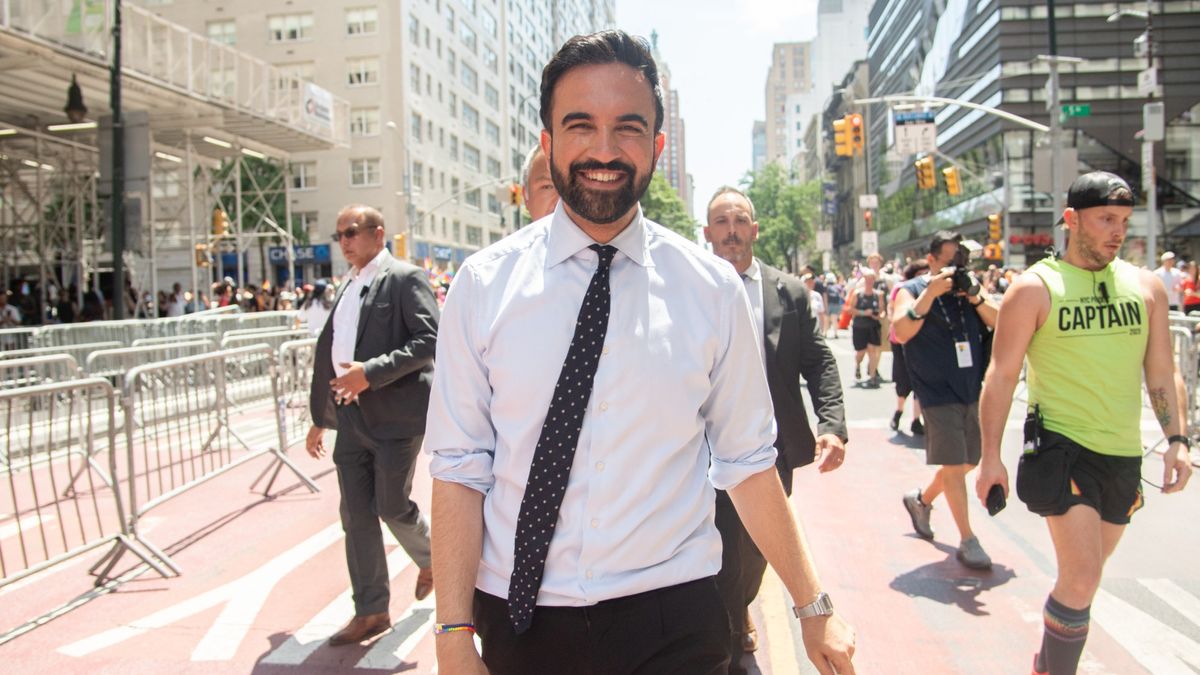
New York just did something it hasn't done in over a hundred years. On January 1, 2026, Zohran Mamdani was sworn in as the 112th new mayor of New York City. He’s 34. Let that sink in for a second. While most people his age are just starting to figure out their career trajectory, Mamdani is now running the most complex municipal machine on the planet.
He didn't just win; he steamrolled a political dynasty.
The race was wild. You had Andrew Cuomo, the former governor, running as an independent after losing the Democratic primary. You had Curtis Sliwa, the red-beret-wearing Republican mainstay, making another go of it. And then there was Eric Adams, who dropped out in September 2025 amid a whirlwind of investigations but still hovered on the ballot like a ghost.
Mamdani walked away with 50.8% of the vote. That’s more than 1.1 million New Yorkers saying they wanted a self-described democratic socialist to hold the keys to Gracie Mansion. Honestly, if you’d predicted this three years ago, people would’ve called you crazy. But here we are. The Ugandan-born, Queens-raised assemblyman is now the boss.
The Road to City Hall: Why This New Mayor of New York City is Different
Most people think Mamdani’s rise was some fluke of timing. It wasn't. It was a grind.
He built a reputation in Astoria by doing things most politicians avoid. He went on a hunger strike with taxi drivers. He fought for "Free Bus" pilots. He basically turned the 36th Assembly District into a laboratory for progressive policy. When he decided to run for mayor, he didn't go to the big donors first. He went to the doors. His campaign knocked on over 3 million of them.
That kind of ground game matters.
Breaking the Cuomo Comeback
Andrew Cuomo’s attempt to return to power was the central drama of the 2025 cycle. Cuomo ran a campaign based on "experience" and "competence." He banked on older voters in the outer boroughs who remember his daily COVID briefings. But Mamdani countered that with a laser-focus on one word: affordability.
The rent is too high. Everyone knows it. Mamdani didn't just say it; he made it the entire foundation of his platform. By the time the general election rolled around, even voters who were skeptical of his "socialist" label were nodding along to his plans for universal childcare and expanded social housing.
He beat Cuomo by nearly 10 points. In New York politics, that’s a blowout.
What to Expect from the New Mayor of New York City’s First 100 Days
Mamdani didn't wait for the upholstery to get warm at City Hall. Within his first week, he signed Executive Order 11. It’s a wonky but vital piece of paper. It directs the city to inventory and cut the thousands of petty fines and fees that suffocate small businesses.
It was a smart move. It signaled that he isn't just about big social programs; he’s also looking at the nuts and bolts of how the city treats its shopkeepers.
A Powerhouse Cabinet
One thing people got wrong was thinking he’d fill City Hall with activists who have no idea how to run a budget. Instead, he made some "old guard" moves that surprised everyone.
- Dean Fuleihan: Mamdani brought back Bill de Blasio’s first deputy mayor. Fuleihan is 74. He knows where the bodies are buried in the city budget. It was a clear signal to Wall Street and Albany: "I have adults in the room."
- Lina Khan: Yes, that Lina Khan. The former FTC Chair is co-chairing his transition. Having the nation’s leading anti-monopoly expert in his corner suggests a very aggressive stance toward corporate landlords and big tech contractors.
- Jessica Tisch: In a move that signaled continuity on public safety, he appointed Tisch as Police Commissioner. She's seen as a data-driven manager who can bridge the gap between Mamdani’s reformist base and the rank-and-file NYPD.
Tackling the "Big Three": Housing, Transit, and Safety
You can't talk about the new mayor of New York City without talking about the subway. Mamdani’s "Get NYC Moving" plan is ambitious. He wants to expand the fare-free bus pilot program to every borough. Some call it a pipe dream. He calls it a necessity for working-class families.
Then there’s housing. This is where he’ll win or lose his mayoralty. He’s pushing for the "Relentless Improvement" agenda, which involves using city-owned land to build permanently affordable social housing. The goal is to bypass the private developers who have dominated the skyline for decades.
It won't be easy. The real estate lobby is already sharpening their knives.
The Rikers Crisis
Mamdani also inherited the mess that is Rikers Island. He’s already signed executive orders to bring the city into compliance with minimum safety standards. He’s working with the federal monitor to finally end solitary confinement. He’s being blunt about it—he says the previous administration basically ignored their legal obligations.
Fixing Rikers isn't just a policy goal for him; it's a moral one. But the logistics of closing the facility and moving to borough-based jails are a nightmare that has swallowed up mayors before him.
Is This the End of Centrist Politics in NYC?
Maybe. But don't count out the moderates just yet.
While Mamdani won big, he still has to deal with a City Council that isn't always in lockstep with him. He also has a complicated relationship with Governor Kathy Hochul. They need each other, but they don't necessarily like the same things. Hochul congratulated him on his "historic victory," but they’re already clashing over how much state money should go toward NYC's migrant services.
The city is still recovering from the fiscal hangover of the last few years. Tax revenue is stable but not skyrocketing. If Mamdani wants to fund his big swings—like universal 3K and fare-free transit—he’s going to have to find the money without triggering a "wealth flight" from the city's highest earners.
Actionable Steps for New Yorkers Under the New Administration
The new mayor of New York City is moving fast, and if you live or work in the five boroughs, there are a few things you should be doing right now to stay ahead of the changes.
1. Monitor the Small Business Relief Portal If you own a business, watch for the rollout of the fee reductions promised in Executive Order 11. The city is currently auditing over 6,000 regulations. You might see a significant drop in your compliance costs by the summer.
2. Sign Up for the Fair Fares Program Mamdani is expanding eligibility for discounted transit. Even if you didn't qualify under the Adams administration, the income thresholds are being raised. Check the NYC.gov portal to see if you now qualify for half-price or free swipes.
3. Engage with Your Community Board on Social Housing The "Social Housing" model relies on local input. If you want to see affordable units in your neighborhood, now is the time to show up to community board meetings. The Mamdani administration is prioritizing projects that have strong local "people power" backing.
4. Watch the "Public Bathroom" Rollout One of Mamdani's more "livability" focused goals is expanding public bathroom access. If you're a delivery worker or just someone who spends a lot of time outdoors, keep an eye on the new city map for these facilities as they begin installation this spring.
New York is in a transition period. Whether you love the "socialist" shift or it makes you nervous, there’s no denying the energy at City Hall is different. It’s younger. It’s more aggressive. And for the first time in a long time, the focus has shifted entirely to the people who can barely afford to stay here.