New York City just did something it hasn’t done in decades. It took a massive, collective leap into the unknown. When Zohran Mamdani was sworn in as the 112th Mayor of New York City on January 1, 2026, the air at City Hall felt different—sharper, maybe a little more anxious, but definitely electric.
People are calling it a "political earthquake." That's probably an understatement. For a deeper dive into similar topics, we suggest: this related article.
Mamdani isn't just another politician climbing the ladder. He’s a 34-year-old democratic socialist who used to be a housing counselor. He’s the first Muslim and the first South Asian to hold the keys to the city. But if you think his win was just about identity or some "progressive wave," you’re missing the actual story.
The Zohran Mamdani New York mayoral election wasn't won in the TV studios or the high-rise offices of midtown. It was won on the doorsteps of Astoria, the bodegas of the Bronx, and the subway platforms where people are tired of choosing between rent and groceries. For further background on this development, detailed coverage can also be found at NPR.
The Upset That No One (Except His Team) Saw Coming
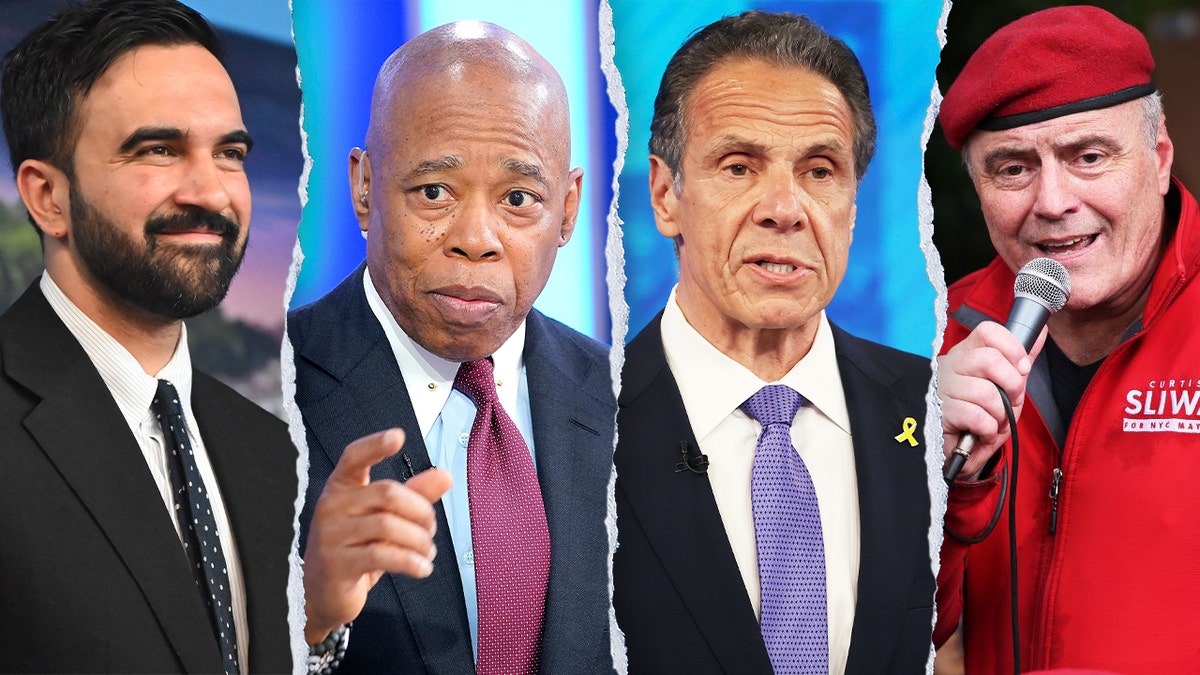
Honestly, looking back at early 2025, nobody gave him a real shot. Andrew Cuomo was the heavy favorite. He had the name recognition, the war chest, and that "tough guy" aura that some New Yorkers still crave. Even Eric Adams, despite his legal headaches and plummeting poll numbers, was still the incumbent with a massive machine behind him.
Then June 24 happened.
The Democratic primary was a bloodbath for the establishment. Using ranked-choice voting, Mamdani managed to build a coalition that was basically a "who's who" of the working class. He didn't just win; he shattered the idea that a socialist couldn't appeal to the outer boroughs.
By the time the general election rolled around on November 4, 2025, the race had turned into a chaotic three-way scrap. Cuomo, having lost the primary, refused to go away and ran as an independent. Curtis Sliwa was there too, doing his usual thing. But Mamdani cruised through with 50.8% of the vote. He became the first candidate since 1969 to pull in over a million votes. That’s wild when you think about how cynical New Yorkers usually are about voting.
What’s Actually on the "Mamdani Agenda"?
You've probably heard the buzzwords: "affordability," "tax the rich," "socialism." But what does that actually look like on a Tuesday morning in Brooklyn?
Mamdani’s platform isn't just a wish list; it’s a total redesign of how the city functions. He’s pushing for things that make the real estate lobby break out in hives.
- A Total Rent Freeze: He’s promised to freeze rents on all rent-stabilized units. In a city where a studio apartment costs as much as a small yacht, this was the "killer app" of his campaign.
- The M-Line and Free Buses: Basically, he wants to make the bus system free. He argues that since the MTA is already bleeding money and half the people aren't paying anyway, the city should just foot the bill and make it a public utility.
- City-Run Grocery Stores: This one sounds like something out of a history book, but the plan is to open municipal markets in "food deserts" where healthy food is either nonexistent or priced like jewelry.
- The 2% Tax: To pay for all this, he wants a flat 2% tax on New Yorkers earning over $1 million.
It’s ambitious. Some say it's impossible.
The reality is that as Mayor, he doesn't have a magic wand. To raise those taxes, he needs Governor Kathy Hochul and the state legislature in Albany to play ball. While he has their endorsements now, the relationship between a socialist Mayor and a centrist Governor is usually about as stable as a house of cards in a wind tunnel.
The Strategy: Rizz and 3 Million Doors
How did a guy who was a backbencher in the State Assembly beat a three-term Governor?
According to his communications director, Andrew Epstein, it was a mix of "world-historic rizz" and a brutal ground game. The NYC-DSA (Democratic Socialists of America) didn't just tweet; they mobilized 100,000 volunteers who knocked on three million doors.
They bypassed the New York Post and the New York Times by going viral on TikTok and Instagram. They made politics feel like a community project rather than a corporate board meeting. It worked. They turned out young voters in numbers that the city hasn't seen since the 90s.
Dealing With the Skeptics
It hasn't been all sunshine and roses. Mamdani has faced intense scrutiny over his foreign policy views, particularly his stance on Israel and Gaza. He’s called the war in Gaza a genocide, which led to some pretty heated debates with the city's more conservative Jewish communities.
Then there’s the "Capital Flight" argument. Economists like Nathan Goldman have warned that if you tax the top 1% too hard, they’ll just move to Greenwich or Miami. If the tax base shrinks, the "free everything" dream evaporates pretty quickly. Mamdani’s bet is that people stay in New York for the city, not just the tax rate. It’s a high-stakes gamble.
The Policing Paradox
One of the most surprising moves Mamdani made right after winning was keeping Jessica Tisch as the NYPD Commissioner. For a guy who campaigned on "comprehensive public safety reform" and ending the Strategic Response Group, keeping an Adams-era appointee felt like a massive pivot to many of his supporters.
It shows a side of Mamdani that critics often ignore: he's a pragmatist. He knows he can’t fight the police union on day one if he wants to get his housing bills passed. He’s trying to walk a tightrope between the activists who want to "defund" and the residents in Queens and the Bronx who are genuinely worried about crime.
What Happens Next?
The honeymoon period for the Zohran Mamdani New York mayoral election victory is officially over. Now comes the hard part: governing.
If you're a New Yorker—or just someone watching from the outside—here is what you should be looking for over the next six months:
- The MTA Pilot: Watch for the first "fare-free" bus lines. He likely won't get the whole system at once, but look for a pilot program in the outer boroughs.
- The Rent Guidelines Board: This is where the rent freeze battle will actually happen. Mamdani gets to appoint the members, and their first vote will be the true test of his power over the real estate industry.
- The Albany Budget: By April, we’ll know if Kathy Hochul is actually going to let him tax the millionaires. If she says no, Mamdani’s budget will have a massive hole in it before the summer starts.
New York City has always been a laboratory for big ideas. Sometimes they blow up, and sometimes they change the world. Whether Mamdani is a visionary or a cautionary tale is still up for debate, but one thing is for sure: the city isn't going back to "business as usual" anytime soon.
Keep an eye on the City Council's upcoming vote on the "Community Safety Act"—it will be the first major indicator of how much friction Mamdani will face from within his own party.