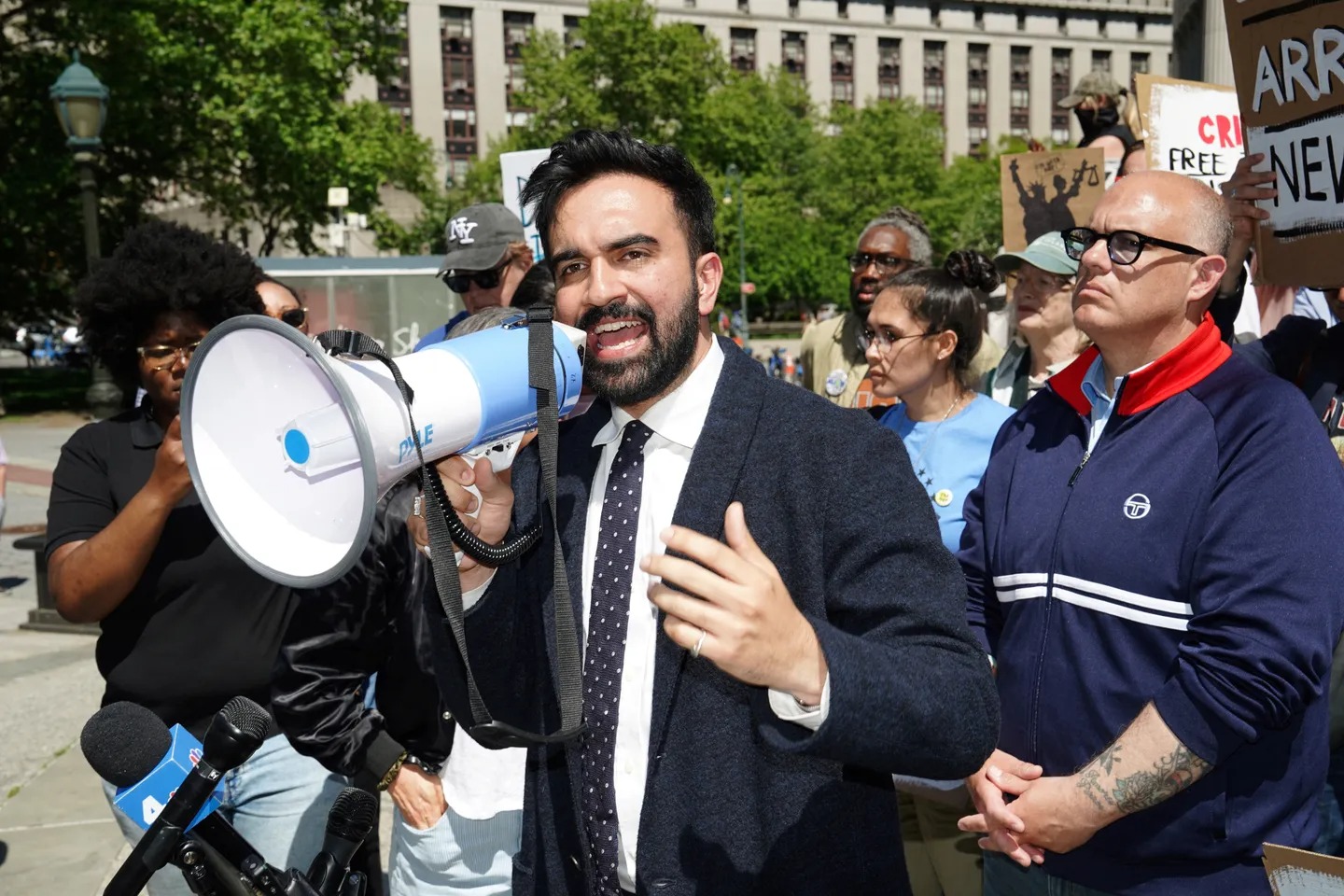
New York City hasn't seen a political earthquake like this in fifty years. Zohran Mamdani, a 34-year-old Democratic Socialist who just a few years ago was a housing counselor and a rapper, is now sitting in the mayor’s office at City Hall. Most people didn't see it coming. They figured the "machine" would eventually chew him up and spit him out, especially when he went head-to-head against a political heavyweight like Andrew Cuomo. But the Zohran Mamdani NYC mayor campaign prep was a masterclass in ground-game organizing that completely ignored the traditional playbook of high-priced consultants and billionaire donors.
It wasn't just luck. It was a grind.
The Ground Game: 3.1 Million Doors Later
Honestly, if you want to understand how this happened, you have to look at the numbers behind the scenes. We're talking about a campaign that didn't just buy TV ads and hope for the best. They built a literal army.
- Volunteers: Over 104,000 people.
- Doors Knocked: A staggering 3.1 million.
- Phone Calls: 4.5 million.
- Texts Sent: 2.7 million.
This wasn't just "digital activism." It was face-to-face persuasion in neighborhoods that City Hall usually forgets. While the pundits were busy analyzing polls, Mamdani’s team was in the delis and on the subway platforms talking about things like $0 bus fares and rent freezes. They didn't just talk about "policy"; they talked about "affordability" in a way that felt real to people who can barely pay their ConEd bills.
Why the Zohran Mamdani NYC Mayor Campaign Prep Worked
Most campaigns start by hiring a "dream team" of consultants who've worked on twenty other races. Mamdani did the opposite. He leaned into his identity as a Democratic Socialist and a member of the DSA. His prep didn't involve "pivoting to the center" to appease the donor class. Instead, he leaned harder into his base.
The strategy was basically: make the "impossible" seem like common sense.
You've got to admit, it was a gutsy move. He campaigned on a platform that sounded like a progressive wish list—universal childcare, city-run grocery stores to fight food deserts, and a $30 minimum wage by 2030. People called it radical. He called it "governing expansively." During his Zohran Mamdani NYC mayor campaign prep, he didn't back down when critics asked how he'd pay for it. He pointed right at the corporations and the ultra-wealthy, proposing tax increases that would fund a "New York for the many."
The Transition Team: Power in the Details
After he won the primary in an absolute shocker against Cuomo, the real "prep" for governing started. He didn't just pick his friends. He brought in heavy hitters like Lina Khan, the former FTC commissioner known for her aggressive antitrust stance. It was a signal: this wasn't going to be "business as usual" at City Hall.
His transition team was all-female, led by Elana Leopold, a veteran of the de Blasio administration who actually knew where the bodies were buried in the city bureaucracy. This blend of "insider knowledge" and "outsider energy" is what allowed him to hit the ground running on January 1st, 2026.
Facing the "Budget Reality"
Now that he's actually in office, the poetry of the campaign is meeting the prose of the city budget. It's tough. New York's budget is a beast. Every one of his big ideas—from the "2-Care" program for toddlers to fixing the 3K system—has to go through the City Council.
What's on the Table Right Now:
- Universal 2-Care: Partnering with Governor Hochul to provide free childcare for two-year-olds.
- Rent Freeze: Trying to freeze rents on nearly 1 million stabilized units (though Eric Adams left some "poison pills" on the Rent Guidelines Board on his way out).
- Fare-Free Buses: Expanding the pilot programs he started in the State Assembly to a city-wide scale.
- Department of Community Safety: A new agency designed to handle mental health crises so the NYPD can focus on actual crime.
It’s a lot. Maybe too much? Skeptics say he’s going to hit a wall of "hard math" by February. But Mamdani is betting that the same "people power" that got him elected can be used to pressure the legislature into passing his agenda.
A Different Kind of Communication
If you look at his senior hires, you'll see Anna Bahr, a former top aide to Bernie Sanders. This tells you everything you need to know about his strategy. For this administration, "communication" isn't about spin. It's about organizing. They want every New Yorker to feel like they have a stake in what's happening at Room 9.
In his inaugural address, he basically said he wasn't interested in "managing expectations." He wants to be audacious. He's the first Muslim mayor, the first South Asian mayor, and the first mayor from Queens in a long time. That’s a lot of "firsts," but the real test is whether he can be the first to actually make the city cheaper to live in.
Actionable Insights for New Yorkers
If you're trying to figure out how this new administration affects your daily life, here’s what you should be watching for in the next few months:
- The February Budget Draft: This is where the "radical" promises meet the "real" money. Watch for how he funds the 2-Care program.
- The Rent Guidelines Board Hearings: This will be a war. If you live in a rent-stabilized apartment, your presence at these hearings is going to be more important than ever.
- Subway and Bus Pilots: Keep an eye on the MTA. While it's a state-run agency, Mamdani’s alliance with Hochul means we might see more fare-free routes sooner than expected.
- Community Safety Initiatives: Look for the rollout of non-police crisis responders in high-need neighborhoods.
The Zohran Mamdani NYC mayor campaign prep was about building a movement, not just a career. Whether he succeeds or fails, he's already changed the way politics works in this city. You can't ignore the "socialist upstart" anymore when he's the one holding the gavel.
Next Steps for Residents: To stay informed on how these policies impact your neighborhood, you should sign up for the city's official "People's Budget" portals. These are new digital tools launched by the transition team to allow residents to track where tax dollars are being allocated in real-time. Additionally, check the status of your local bus lines, as the administration is currently prioritizing the expansion of the "Free Bus" initiative in boroughs with the highest "transit deserts."