It was barely midnight on January 1, 2026, when Zohran Mamdani, a 34-year-old democratic socialist, stood in a decommissioned, abandoned Beaux-Arts subway station and took an oath on a Quran to become the youngest mayor of New York City in over a century. The optics were perfect. It was gritty, it was "old New York," and it felt like a revolution. But if you stepped out of that station and into the cold air of any borough, you’d find that the city isn't exactly in a state of collective euphoria.
Despite winning over 50% of the vote in a brutal three-way race against Andrew Cuomo and Curtis Sliwa, Zohran Mamdani mayoral skepticism remains the dominant mood in many corners of the five boroughs. Honestly, it makes sense. You don’t just propose city-owned grocery stores and a total rent freeze for a million apartments without making people wonder if you’ve actually looked at a budget lately.
The Experience Gap and the "On-the-Job Training" Fear
The loudest critique throughout the 2025 campaign—and the one that still haunts the halls of City Hall—is the simple fact that Mamdani has never actually run anything bigger than an Assembly office. New York City is a beast. It’s a $115 billion municipal machine with 300,000 employees. Critics like Andrew Cuomo didn't hold back, famously sneering that there’s "no time for on-the-job training" in a city that faces threats of terrorism and mass infrastructure failure every single day.
Skeptics point to the sheer scale of the task. Transitioning from a state legislator who focuses on advocacy to a chief executive who has to make sure the trash gets picked up on time is a massive leap. It's why Mamdani’s decision to tap Dean Fuleihan, a 74-year-old veteran from the de Blasio era, as his first deputy mayor was so calculated. It was a "don’t panic" signal to the donor class and the legacy bureaucrats. But does a "socialist at the top, centrist in the middle" structure actually work? Or does it just create a gridlocked administration where nothing gets done?
Can He Actually "Freeze the Rent"?
If you went to a Mamdani rally, you heard the chant: "Freeze the... RENT!" It’s a catchy slogan. It’s also a policy nightmare. Skepticism around his housing platform isn't just coming from "greedy landlords." It's coming from economists who worry about the long-term viability of the city's housing stock.
Mamdani wants a total rent freeze for the roughly one million rent-stabilized units in the city. The problem? The Rent Guidelines Board (RGB) technically makes those calls, and departing Mayor Eric Adams spent his final weeks packing that board with appointees who aren't exactly fans of the DSA.
Then there’s the "neglect" factor. Skeptics argue that if landlords can't raise rents to cover the rising costs of heat, water, and insurance, they’ll simply stop maintaining the buildings. This isn't a theoretical fear; we’ve seen it happen in the 70s. Mamdani’s answer is to empower the Office to Protect Tenants, led by organizer Cea Weaver, to basically seize properties from "negligent" landlords. It sounds bold, but the legal challenges alone could tie the city up in court for the next decade.
The Working-Class Paradox
Surprisingly, the loudest Zohran Mamdani mayoral skepticism didn't come from the Upper East Side. It came from places like the South Bronx and Brighton Beach. During the election, data showed that Mamdani’s core base was actually younger, highly educated "laptop class" New Yorkers.
Many working-class immigrants—who have seen "socialism" fail in their home countries—are deeply wary. They look at promises of "free everything" (buses, childcare, groceries) and ask a very simple question: "Who’s paying for this?"
The Federal Fight and the "City on Its Own"
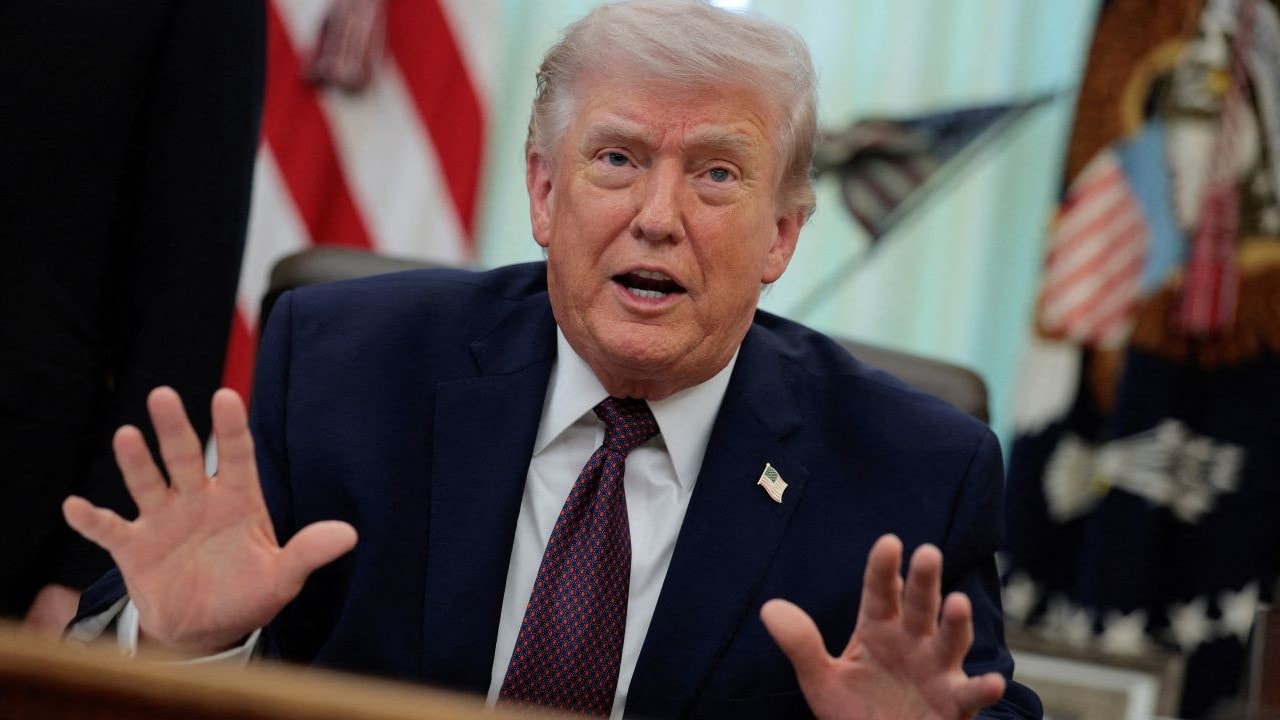
Then there’s the Trump of it all. With Donald Trump back in the White House for a second term, the relationship between New York City and Washington D.C. has gone from chilly to sub-zero. Trump has already warned that New York will be "on its own" if it pursues "radical" policies.
Mamdani’s skepticism isn't just about his local policies; it's about his ability to bring home the federal bacon.
- Infrastructure Dollars: Will the DOT freeze funds for New York's subways?
- Homeland Security: Is the city prepared to lose millions in security grants if Mamdani pushes back on federal immigration enforcement?
- The "Trump-Mamdani" Meeting: They met in the Oval Office recently, and while Trump called him a "great mayor candidate," everyone knows that's a fickle endorsement.
The Personnel Problems
It’s only been a few weeks, and the "vetting" issues have already started. Mamdani’s administration has been rocked by social media ghosts. One appointee, Catherine Almonte Da Costa, had to resign over old posts involving antisemitic tropes. Another, Cea Weaver, is under fire for 2017 tweets calling homeownership a "weapon of white supremacy."
For the skeptics, these aren't just "unfortunate mistakes." They are evidence of a radical worldview that is out of step with the average New Yorker who just wants their N-train to run on time and their neighborhood to be safe.
The "Scamdani" Narrative vs. Reality
The New York Post has been having a field day, splashing "SCAMDANI" across its covers and quoting Eric Adams calling the new mayor a "snake oil salesman." This highlights the biggest hurdle Mamdani faces: the perception that his "happy warrior" persona is just a mask for an ineffective, ideologically rigid administration.
To beat the skepticism, Mamdani has moved fast. In his first ten days, he issued 12 executive orders. He fixed a notorious bike-lane "bump" in Queens that had been a joke for years. He’s trying to show that he can do the "small stuff" while fighting for the "big stuff."
What You Should Watch For
If you’re trying to figure out if the skepticism is justified, watch these three things over the next six months:
- The RGB Vote: If Mamdani can't actually get his rent freeze through his own board, his credibility with his base will crater.
- The $30 Minimum Wage Push: He’s promised this by 2030. If the business community starts a mass exodus to New Jersey or Florida, the city's tax base (and his programs) will vanish.
- The Relationship with Kathy Hochul: The Governor holds the purse strings in Albany. If she and Mamdani can't find common ground on corporate tax hikes, his budget is DOA.
Zohran Mamdani mayoral skepticism is healthy. In a city as complex as New York, blind faith is a recipe for disaster. Whether he’s a "snake oil salesman" or the "future of the city" won't be decided by a speech in a subway station—it’ll be decided by whether the trash gets picked up and whether New Yorkers can actually afford to stay here.
Actionable Next Steps for New Yorkers
If you're skeptical (or even if you're a fan), don't just sit on the sidelines. New York's government is more accessible than you think.
- Check the OME: Mayor Mamdani just launched the Office of Mass Engagement. It's designed to let "everyday New Yorkers" bypass the usual bureaucratic gatekeepers. Use it to report issues in your neighborhood.
- Track the Executive Orders: Every order is public. Read them. Don't rely on the Post or Jacobin to tell you what's in them.
- Watch the City Council: Mamdani can’t pass laws alone. Follow your local Council Member to see if they are actually supporting or blocking the Mayor's "affordability" agenda.