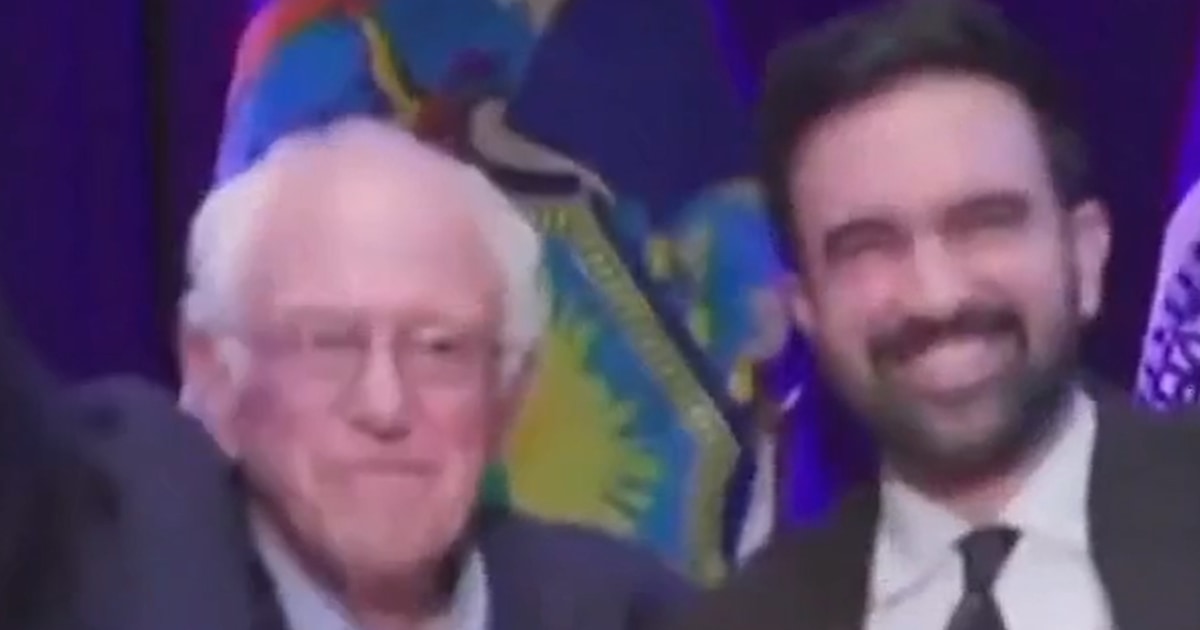
When Zohran Mamdani stood on that stage in Brooklyn last September, leading a crowd of nearly 2,000 people in a rowdy rendition of "Happy Birthday" for an 84-year-old Bernie Sanders, it wasn't just a cute campaign moment. It was a changing of the guard. Honestly, if you had told political insiders two years ago that a 34-year-old Ugandan-Indian-American socialist would be the Mayor of New York City in 2026, they would have laughed you out of Gracie Mansion.
But here we are.
The relationship between Zohran Mamdani and Bernie Sanders is the most significant ideological bridge in American politics today. It’s more than just an endorsement or a shared "socialist" label. It is a literal blueprint. Mamdani didn't just accept Sanders’ help; he studied the senator's 1981 mayoral run in Burlington like it was a holy text. He took the "Burlington is not for sale" mantra and localized it for a city where the rent is too high and the subways are too slow.
The 2016 Spark and the Language of the Left
Mamdani is incredibly open about this: he didn't grow up calling himself a democratic socialist. He's said repeatedly that it was Bernie Sanders’ 2016 presidential campaign that gave him the "language" to describe his own politics. Before that, the ideas were there—the frustration with inequality, the feeling that the system was rigged—but the vocabulary was missing.
Sanders provided the dictionary.
Fast forward to the 2025 mayoral race. While Andrew Cuomo was banking on name recognition and a massive war chest, Mamdani was running what Sanders called a "visionary" grassroots movement. It wasn't about slick TV ads. It was about people. Specifically, it was about the nearly 1.1 million voters who eventually propelled him to victory. That is a staggering number. In fact, he’s the first NYC mayoral candidate to cross that million-voter threshold in over fifty years.
Why the "Establishment" Is Terrified
You've probably seen the headlines. The "Mamdani Freak-Out" is a real thing. During the campaign, Sanders pointed out that billionaire donors and tech oligarchs were "scared to death" of a Mamdani victory. Why? Because if a socialist can win the biggest city in the world, the "it can't happen here" argument dies forever.
The Policy Parallel
It’s kinda fascinating to look at how their platforms mirror each other:
- Sanders: Pushes for Medicare for All and tuition-free college funded by taxes on corporations.
- Mamdani: Proposed taxing the city’s wealthiest residents to fund universal childcare and fare-free buses.
These aren't just "progressive" tweaks. They are fundamental shifts in how a city functions. Mamdani’s win in November 2025—beating Cuomo with 50.8% of the vote—was the ultimate proof of concept for the Sanders movement. It showed that the "political revolution" wasn't a fluke of the 2010s; it was the foundation for the 2020s.
The Inauguration: A New Era Starts at Midnight
On January 1, 2026, the symbolism reached its peak. While New York Attorney General Letitia James handled the official midnight swearing-in, it was Bernie Sanders who conducted the public inauguration later that day.
Think about that for a second.
Sanders had previously sworn in Bill de Blasio for his second term in 2018, calling him one of the most progressive mayors in the country. But with Mamdani, it felt different. It felt like a homecoming. Instead of a restricted ceremony with 4,000 VIPs, Mamdani threw a block party along the Canyon of Heroes. Tens of thousands of people showed up in freezing temperatures.
During the ceremony, Sanders delivered a speech on the "retreat of democracy," warning that workers know the government usually works for the billionaire class. Mamdani followed that up with a speech about "the warmth of collectivism." Predictably, people like Megyn Kelly went nuclear on Twitter, calling it "communism."
But to the people in the crowd? It just sounded like someone was finally going to try and fix the buses.
Challenges Ahead for the Sanders Protégé
Look, it’s not going to be all rallies and cheers. Mamdani is 34. He’s the youngest mayor in the city’s history. He has "scant management experience," as the critics like to point out. He’s governing a city with a $115 billion budget while facing a hostile state government under Kathy Hochul and a combative relationship with the Trump administration.
Sanders reportedly gave Mamdani some "old man" advice back in June after the primary victory. He told him to be cautious. Specifically, he urged Mamdani to be careful about how he speaks regarding Israel and to acknowledge the very real fears of antisemitism in the Jewish community. It was a moment of the mentor showing the student where the landmines are buried.
Actionable Insights for the "New Era"
If you're watching this political shift, here is what you need to keep an eye on over the next six months:
- The Budget Battle: Watch Sherif Soliman, Mamdani's budget director. How they allocate that $115 billion will be the first real test of whether "socialist" ideas can survive a balance sheet.
- Labor Relations: Mamdani tapped Jahmila Edwards, a longtime union operative, to lead his coordination efforts. With the support of unions like DC 37, expect a major push for $30-an-hour minimum wages by 2030.
- Public Transit: The "fare-free" bus pilot program is the administration's "North Star." If it succeeds, it becomes the blueprint for every other major U.S. city.
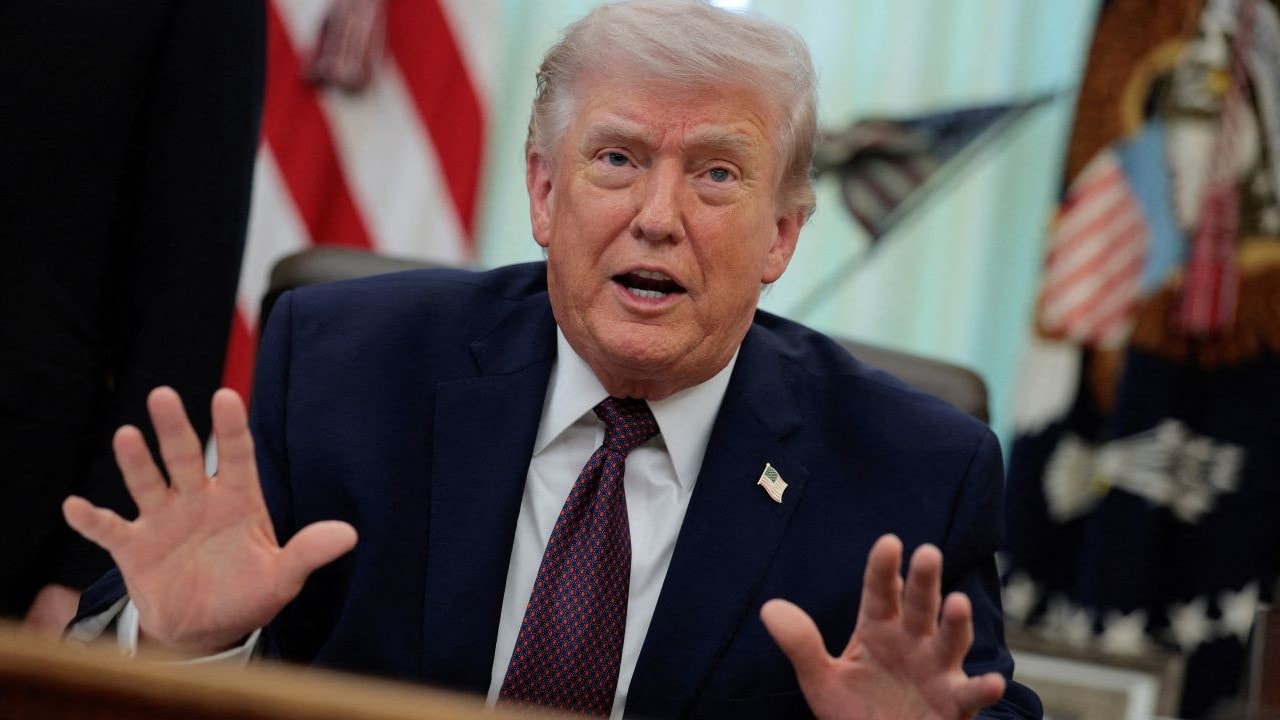
- The Trump Tension: President Trump has already threatened to send the National Guard into the city if Mamdani’s "collectivist" policies lead to what he calls "chaos." This federal-city friction will be a constant headline in 2026.
The era of Zohran Mamdani and Bernie Sanders isn't just about New York. It’s a test case for whether the American left can actually govern, or if they’re just really good at winning elections. We’re about to find out.