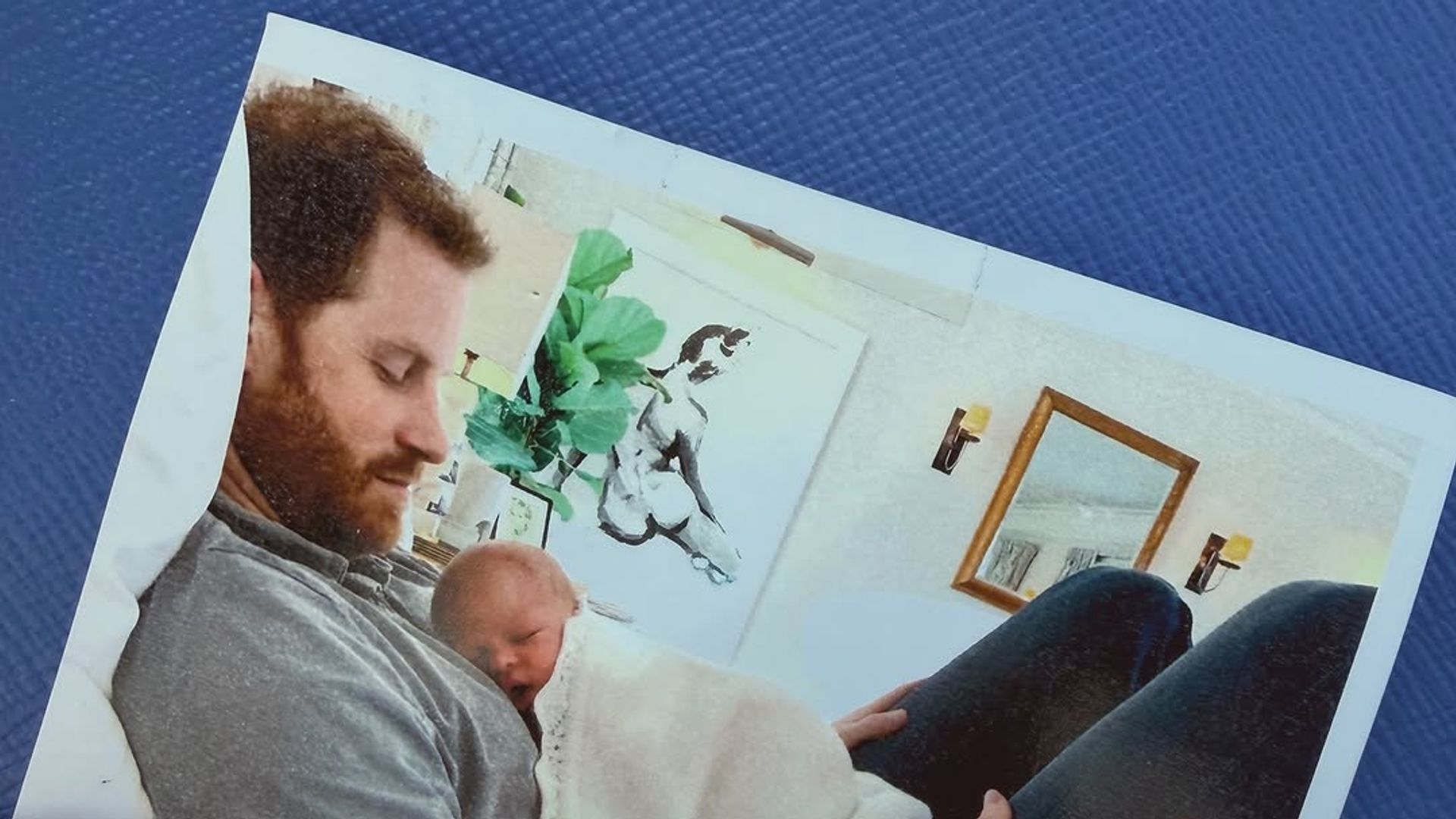
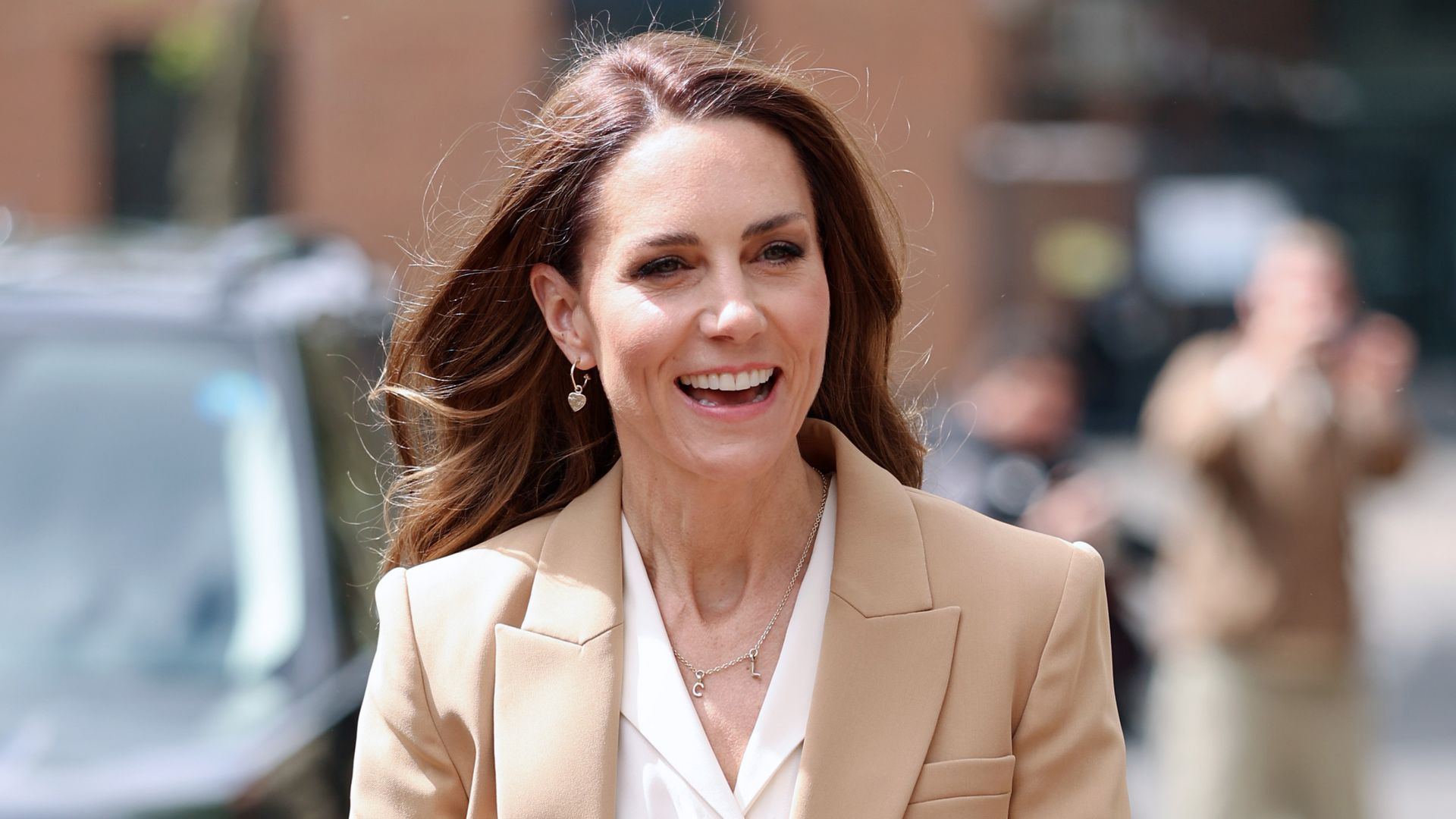
You’ve seen the photos. One year, Zoë Kravitz is the epitome of soft, heart-shaped coolness, and the next, she’s sporting jawlines so sharp they could genuinely cut glass. It’s the kind of transformation that sets TikTok on fire. People start throwing around terms like "buccal fat removal" and "cat eye lift" as if they’re reading a grocery list.
But here’s the thing. Most of the conversation around zoe kravitz before surgery vs. after is based on a fundamental misunderstanding of how faces actually change under the Hollywood spotlight.
Is it all just "good genes" and "drinking water"? Honestly, probably not. But it’s also not as simple as someone just going under the knife and waking up as a Tim Burton character.
The Face That Defined a Decade
When Zoë first stepped onto the scene in the mid-2000s, she was the "it girl" of a different era. Think back to 2014. Her face had a certain roundness. It was youthful. It was, for lack of a better word, "plump." She looked exactly like what she was: the stunning daughter of Lenny Kravitz and Lisa Bonet.
Then, something shifted.
By the time she was cast as Selina Kyle in The Batman, her aesthetic had pivoted toward something much more architectural. Her cheekbones became the main event. Her jawline didn't just exist; it commanded the frame. This is where the zoe kravitz before surgery searches usually start. People want to know: where did the baby fat go?
The Buccal Fat Elephant in the Room
If you ask any aesthetic doctor—like Dr. Jonny Betteridge or the various experts who dissect celebrity faces on YouTube—the first thing they point to is the lower cheek.
Buccal fat removal is the "procedure of the moment." It involves nipping out the fat pads in your cheeks to create a hollowed-out, contoured look. For Zoë, the change in her mid-face is dramatic. In 2020, her face had a soft transition from cheek to jaw. By 2023 and 2024, there was a distinct "hollow" there.
- The Theory: Surgeons suggest she likely had the buccal fat pads removed to enhance her bone structure.
- The Risk: Experts like Dr. Ben Talei warn that removing this fat too early can age a person by a decade.
- The Visual: Some fans even compared her recent look at Paris Fashion Week to the Corpse Bride. Harsh? Maybe. But it highlights how extreme the "chiseled" look can get.
But wait. There’s more to it than just one procedure.
It's Not Just One Surgery
Most people fixate on the cheeks, but have you looked at her eyes?
The "fox eye" or "foxy eye" trend is everywhere. It’s achieved through a blepharoplasty or a brow lift (sometimes using PDO threads). Looking at zoe kravitz before surgery photos from 2010, her eyes were almond-shaped but sat a bit lower. Now? They have that snatched, upward pull that defines the modern "Instagram Face."
Then there’s the jaw.
Some specialists, like those at the Florencia Clinic, have speculated about jawline fillers or even a subtle chin implant. Why? Because her chin looks more "pointed" and projected than it did in her early 20s. Usually, as we age, we lose bone density in the chin. We don't gain it.
The "Natural" Counter-Argument
Let's be fair for a second. Zoë is in her mid-30s.
Faces change. You lose volume. You learn how to use highlighter like a pro. Lighting on a red carpet is a literal science. If you lose five pounds and have a world-class makeup artist like Pat McGrath working on you, you're going to look "snatched."
But there’s a limit to what contouring can do. Makeup can’t physically move the position of your brows or remove a fat pad from inside your mouth.
"When you have treatments done in your face... that are done inappropriately... it can detract away from your natural beauty." — Dr. Jonny Betteridge (Aesthetic Expert)
This is the nuance most people miss. It’s not about whether she had work done; it’s about the intent of the work. For a long time, Zoë was praised for having the most "natural-looking" enhancements in Hollywood. But recently, the consensus has shifted. Some feel the "Batman" era tweaks pushed her into the "uncanny valley."
What We Can Learn From the Transformation
If you’re looking at photos of zoe kravitz before surgery and feeling like you need to book an appointment with a surgeon, take a breath.
Hollywood beauty is an arms race. What looks "cool" in a high-fashion editorial often looks "hollow" in real life. Buccal fat removal is permanent. Once that fat is gone, you can't just put it back easily. As you hit 40 or 50, you might actually want that volume back to avoid looking gaunt.
Basically, the takeaway isn't that surgery is bad. It's that "trends" in surgery are dangerous.
Practical Steps Before Considering a Change
- Analyze Your Own Aging: Most people "lose" their face shape in their 30s naturally. Don't mistake natural maturation for a "flaw" that needs a scalpel.
- Consult Real Experts: If you're genuinely curious about procedures like buccal fat removal, talk to a board-certified plastic surgeon, not a TikToker. Ask about the 20-year outlook, not the 2-week "glow up."
- Try Non-Invasive First: Masseter Botox can slim the jawline without surgery. It's temporary. If you hate it, it goes away.
- Check the Lighting: Before you judge your face in the mirror, remember that celebrities are lit by professional crews.
Zoë Kravitz remains one of the most beautiful women on the planet. Whether her current look is the result of a master surgeon or just the evolution of a style icon, she’s the one setting the bar. Just remember that the bar is often built in an operating room.
Assess your own aesthetic goals based on your unique bone structure rather than a celebrity's red carpet evolution. Focus on skin quality and health through professional-grade facials or microneedling before jumping into permanent structural changes. If you do choose a surgical route, prioritize surgeons who emphasize "preservation" over "transformation" to ensure your look ages as gracefully as possible.