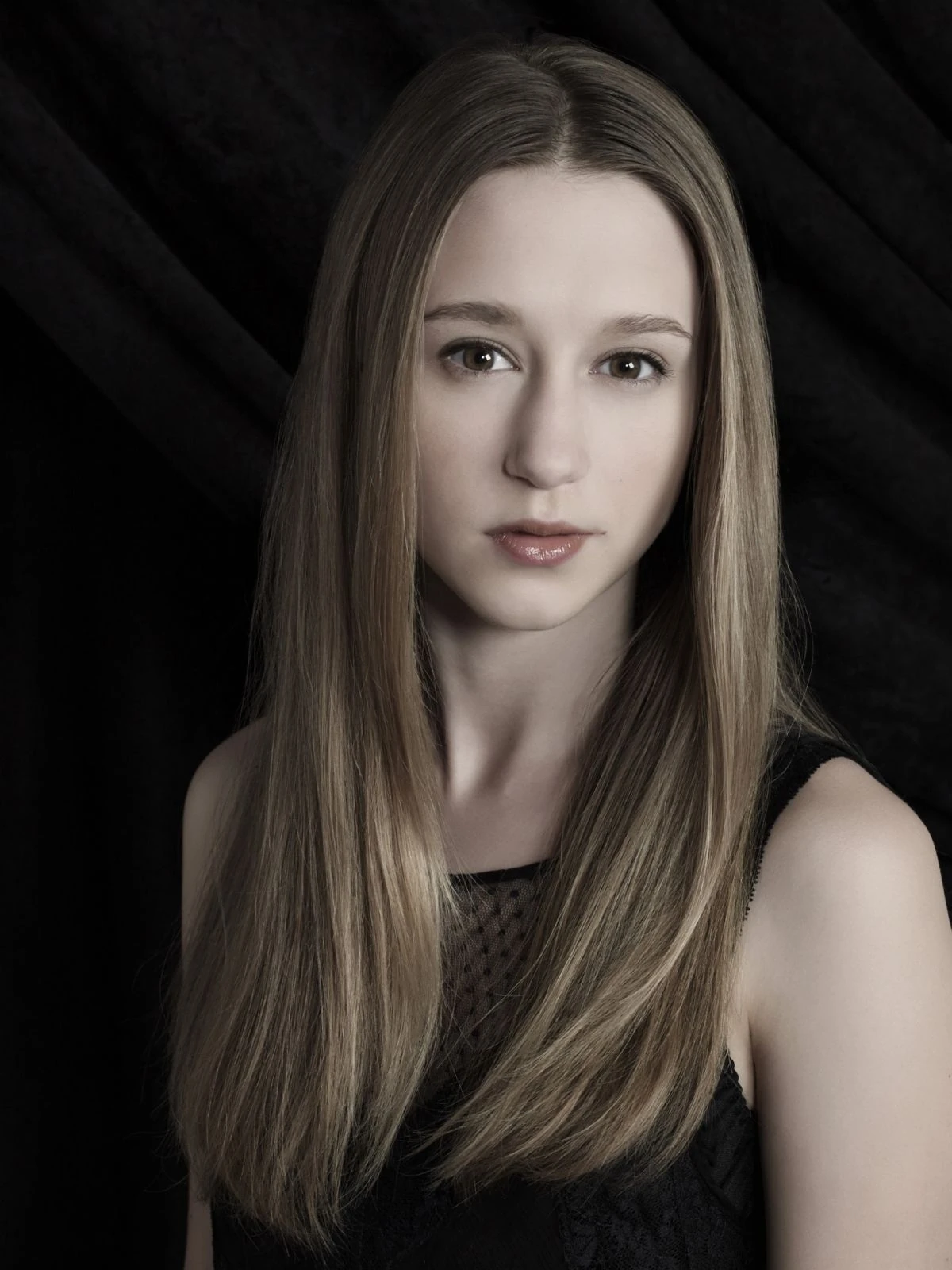
Honestly, if you were watching TV in 2013, you remember the hat. That wide-brimmed, black felt "witch hat" that Zoe Benson wore became the unofficial uniform for an entire generation of Tumblr teens. But beyond the aesthetic, Zoe—played by the ethereal Taissa Farmiga—remains one of the most polarizing figures in the American Horror Story multiverse. Some fans call her the heart of Coven. Others? They think she’s about as exciting as unflavored gelatin.
The truth is way more complicated than just "the shy girl." Zoe Benson wasn't just a student at Miss Robichaux’s Academy; she was a girl whose very first sexual experience ended in a literal brain aneurysm for her boyfriend. Talk about trauma.
The Curse of the Black Widow
Most witches in the AHS universe get cool perks like moving things with their minds or seeing the future. Zoe got the "Black Widow" power. Basically, she causes fatal hemorrhaging in anyone she has sex with. It’s a dark, messy metaphor for female sexuality being "dangerous," and it’s the catalyst that kicks off the entire season.
You've gotta feel for her. One minute she’s a normal teenager in Florida, the next she’s being whisked away by a red-haired woman in a black SUV because she accidentally "loved" someone to death. It’s a lonely existence. This power is exactly why her relationship with Kyle Spencer (Evan Peters) became such a focal point. Since Kyle was already dead (well, resurrected-dead), he was the only person she could safely touch.
- Initial Power: Genetic Hemorrhage (Black Widow)
- Expansion: Telekinesis, Concilium, and Transmutation
- The Big One: Power Negation (Remember when she stopped Marie Laveau’s zombies with a literal shout?)
Why Zoe Benson Wasn't the Supreme
There’s still a lot of debate in the fandom about the Seven Wonders. If you rewatch those final episodes of Coven, Zoe was actually a frontrunner. She was breezing through the trials until the Transmutation test.
She got cocky. Or maybe she just got distracted. Either way, teleporting onto the spikes of an iron gate is a pretty definitive way to lose a competition. While Cordelia eventually brought her back to life using Vitalum Vitalis, the rules are pretty strict: if you die during the trials, you aren't the Supreme. Period.
Some fans argue Zoe had the most raw potential. She was the one who performed a spell to release the Axeman and found the truth about Madison's "disappearance" when the older, more experienced witches couldn't. She was a natural spell-caster, often found buried in old books while Madison was busy snorting things or looking in mirrors.
The Evolution in Apocalypse
When we saw Zoe again in American Horror Story: Apocalypse, things felt... different. She wasn't the stuttering girl in the hat anymore. She was a teacher. A leader. She sat on the Witches' Council alongside Queenie and Cordelia.
It was actually Zoe who first recognized Mallory's insane power levels. She didn't feel threatened by the younger girl; she nurtured her. This showed a level of maturity we didn't quite get to see in the chaotic "Franken-Kyle" days of Season 3. She had become the backbone of the Academy.
What happened to Kyle?
This is the big question. In Apocalypse, Kyle is nowhere to be found. There’s a popular fan theory—backed by some subtle dialogue—that after Kyle killed Madison (again), Zoe might have had to "deal" with him. Given her growth, it’s unlikely she would have let a murderer stay in the house, even if he was her "perfect" boyfriend. The show leaves it vague, which is honestly kind of haunting.
Real Talk: Was She a Boring Character?
If you look at Reddit threads from back in the day, the consensus is split. People loved the "Voren" (Violet and Tate) chemistry from Murder House and tried to force that same vibe onto Zoe and Kyle. It didn't always work.
Zoe was often the "audience surrogate." She was the "normal" person we used to experience the madness of New Orleans. Because of that, she sometimes lacked the sharp, biting dialogue given to characters like Madison Montgomery or Fiona Goode. But without Zoe’s moral compass, the Coven would have burnt itself to the ground way sooner.
She represented the transition of the Coven from a dying, secretive cult into a public, thriving community. She chose sisterhood over her own personal desires more than once. That’s not boring; it’s growth.
Actionable Insights for AHS Fans
If you're looking to revisit the Zoe Benson arc or understand her place in the lore better, keep these points in mind:
- Watch for the "Power Negation" scene: In the episode "Burn, Witch. Burn!", Zoe’s ability to stop the zombie horde suggests she had "Alpha" level potential that the show never fully explored.
- The Fashion Legacy: Zoe’s style—the Saint Laurent-inspired "Witchy Chic"—actually influenced real-world fashion trends in 2013-2014 more than almost any other TV character at the time.
- Continuity Check: If you're doing a marathon, watch Coven and then jump straight to the flashback episodes of Apocalypse (Episodes 4-6). The shift in Taissa Farmiga’s performance from "terrified girl" to "Council Elder" is much more apparent when you skip the years in between.
Zoe Benson might not have been the Supreme, but she was the one who ensured there was still a Coven for the Supreme to lead. She started as a girl who was "unsafe for the world" and ended as one of its primary protectors.