If you were around in 2014, you probably remember where you were when the "subway scene" happened. It was the moment Netflix essentially declared war on our comfort zones. Zoe Barnes, the scrappy, ethically flexible reporter we’d just spent thirteen episodes following, was suddenly… gone.
Just like that. One shove. One screeching train. One very dead journalist.
Even now, years later, people still debate the legacy of Zoe Barnes and what her character meant for the show. Some saw her as a victim of Frank Underwood’s sociopathy. Others viewed her as a cautionary tale about what happens when you try to out-manipulate a master. Honestly, it's a bit of both.
The Washington Herald and the Price of Ambition
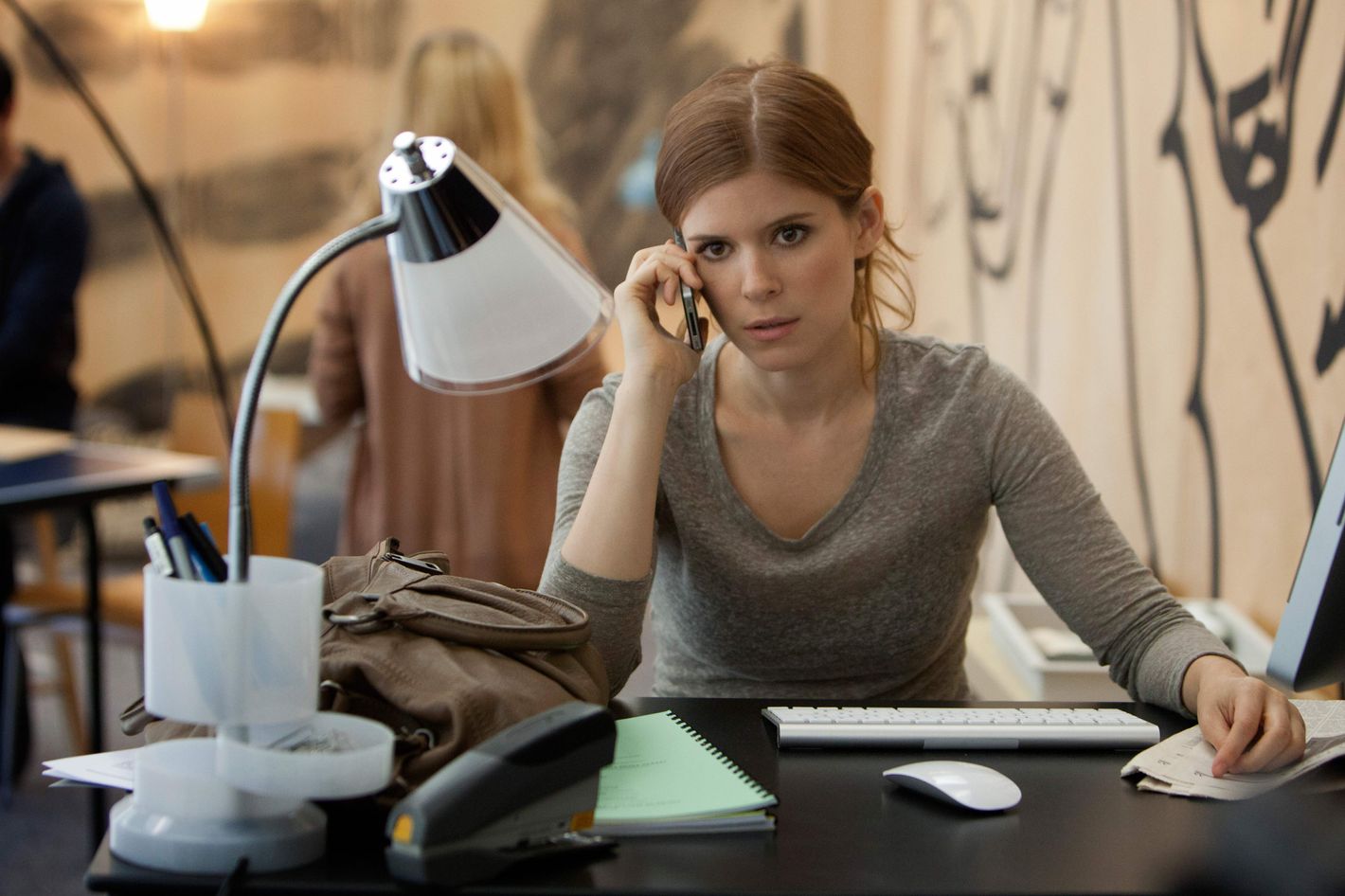
When we first meet Zoe, she's stuck in the "Style" section of the Washington Herald. It’s a prestigious gig, sure, but she hates it. She wants the "Front Page." She wants the power. This is where the House of Cards Zoe Barnes dynamic really gets interesting—she isn't some wide-eyed ingenue. She’s calculated.
She walks right up to Frank Underwood’s house at night. She basically tells him: I’ll print whatever you want if you give me the scoop.
It was a transactional relationship from the jump. Frank needed a mouthpiece to leak strategic info and ruin his rivals. Zoe needed the byline. But the lines blurred fast. It wasn't just about the news; it became this weird, dark, paternal-slash-sexual power struggle.
Why the Press Hated Her (In Real Life)
Interestingly, real-life journalists weren't exactly fans of how Kate Mara portrayed the profession. You've probably seen the op-eds. Many female reporters felt the character did a "disservice" to the industry because she used sex as a primary reporting tool.
Kate Mara herself once said in an interview with Collider that Zoe was "somebody who will do whatever it takes to achieve certain goals." She wasn't meant to be a hero. She was meant to be a mirror of Frank.
The show wasn't trying to say "this is how all journalists work." It was saying "this is how far a specific kind of hunger will take you."
The Train Station Twist That Changed Television
Let’s talk about Season 2, Episode 1.
Most shows would have kept the Zoe and Frank cat-and-mouse game going for years. It was the central tension of the series! But showrunner Beau Willimon decided to stick to the original British source material (mostly).
Frank meets Zoe at a secluded spot in the Cathedral Heights station. She’s starting to ask too many questions about Peter Russo. She’s no longer just a tool; she’s a liability.
Frank doesn't argue. He doesn't threaten. He just waits for the train to approach and tosses her into the tracks. It was brutal.
Was it a "Plot Hole"?
People on Reddit and fan forums have dissected this for a decade. How did the Vice President of the United States just walk away from a murder in a public station?
- The Blind Spot: The show suggests Frank knew the exact layout of the station’s security cameras. He stood in a "dead zone" where the lens couldn't capture his face.
- The Disguise: He wore a hat and glasses. Low-tech, but effective in a grainy 2014 security feed.
- The Narrative: It was ruled a suicide. Zoe was known to be "unstable" (according to the rumors Frank’s team likely helped spread).
The death of Zoe Barnes served a narrative purpose: it raised the stakes. It told the audience that Frank Underwood wasn't just a corrupt politician. He was a murderer. The show shifted from a political drama to a dark thriller the second she hit those tracks.
What Most People Get Wrong About Her "Turn"
There’s a common misconception that Zoe turned on Frank because she suddenly grew a conscience. That's not really the whole story.
She was being pressured by Janine Skorsky and Lucas Goodwin. They were the ones pulling her toward the truth. Zoe was actually terrified. She tried to "delete" the history between her and Frank to stay in his good graces. She wanted to keep the peace.
Her downfall wasn't that she became a whistleblower; it was that she couldn't stop herself from asking "Why?" one last time.
The Kate Mara Impact
We can't talk about Zoe Barnes without mentioning Kate Mara. She brought a specific kind of nervous, kinetic energy to the role. She looked like a kid, but she talked like a veteran.
She actually knew from day one that she was going to die. David Fincher told her before she even signed the contract. "I've got good news and bad news," he reportedly told her. "The good news is I want you for the part. The bad news is you’re not going to last."
Knowing that she was a "disposable" character might be why Mara played her with such intensity. She had nothing to lose.
The Legacy of the Character
After Zoe died, the show changed. It became more about the "power couple" of Frank and Claire. But the shadow of Zoe stayed. Lucas Goodwin’s entire descent into madness and his eventual death were fueled by her memory.
Basically, Zoe was the first person to show us the "Underwood Effect." You get close, you get power, and then you get crushed.
If you're re-watching the show or checking it out for the first time, keep an eye on how she handles her phone. It sounds like a small detail, but it was her lifeline. In the world of House of Cards, information was the only currency that mattered. Zoe spent hers too fast.
Actionable Insights for Fans and Writers:
- Study the "Disposable Lead" Trope: If you're a writer, look at how Zoe's death was used to pivot the series' tone. It’s a masterclass in subverting expectations.
- Media Literacy: Compare Zoe’s portrayal to characters like Ayla Sayyad later in the series. It highlights the show’s evolving (and controversial) view of journalistic ethics.
- Historical Context: Remember that this was Netflix's first big swing. Killing off a lead character in the first episode of a second season was a huge gamble that solidified the "binge-watch" culture by making the show unmissable.