Obsession is a hell of a drug. Most people remember 2007's Zodiac as that long, moody movie where Jake Gyllenhaal chases a serial killer who never gets caught. It’s a procedural. It’s a horror film. Honestly, it’s probably the most accurate true crime movie ever made. But the story behind the scenes? That’s where things get truly weird.
David Fincher didn't just want to make a movie about the Zodiac Killer. He wanted to solve the case. Or, at the very least, he wanted to haunt the audience with the same maddening lack of closure that ruined Robert Graysmith’s life. To do that, he pushed his cast—specifically Jake Gyllenhaal—to a breaking point that almost ended their professional relationship.
The Cartoonist Who Couldn't Let Go
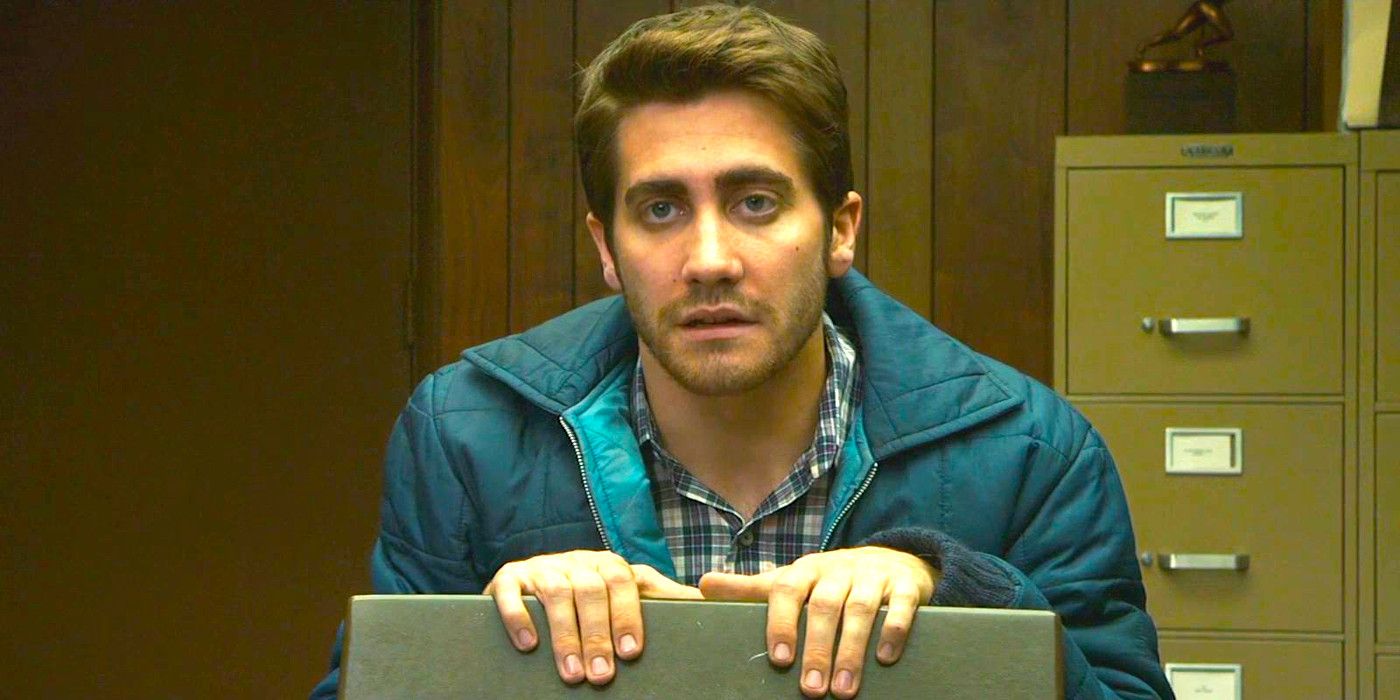
Jake Gyllenhaal plays Robert Graysmith. In real life, Graysmith was a political cartoonist for the San Francisco Chronicle when the letters started arriving. He wasn't a cop. He wasn't a hard-boiled reporter like Paul Avery, played with a chaotic, booze-soaked energy by Robert Downey Jr. He was just a guy who liked puzzles.
Gyllenhaal captures this "Boy Scout" vibe perfectly. Before filming, he actually met with the real Graysmith. He videotaped him. He studied the way he moved, the way he spoke, and that weird, polite insistence that eventually drove his family away.
Graysmith even gave Gyllenhaal his original drawing board from the Chronicle. Talk about method acting. But while Gyllenhaal was busy finding the character, Fincher was busy building a digital 1960s San Francisco that was more real than reality itself.
Fincher’s 70-Take Torture Chamber
If you’ve ever worked for a perfectionist, you know the vibe. Now imagine that perfectionist has a multi-million dollar budget and a digital camera that never runs out of film.
Traditionally, directors stop when they "get it." Fincher stops when everyone is too exhausted to act anymore. He wanted the actors to be tired. He wanted them to be frustrated. He wanted the dialogue to be delivered at a breakneck speed because the script was a massive 200-page beast.
Here is the reality of the set:
- Gyllenhaal and Downey Jr. were reportedly miserable at times.
- One scene of a character answering a phone was shot 37 times.
- Some scenes reached upward of 70 to 80 takes.
- Fincher famously deleted takes right in front of the actors to show them they weren't "there" yet.
Gyllenhaal later admitted in interviews that he struggled with this. You get 10 takes, 20 takes, 40 takes—eventually, you start questioning your own talent. But look at the performance. That frantic, wide-eyed exhaustion Gyllenhaal displays in the final hour of the film? That’s not just acting. That’s a man who spent 115 days in a Fincher-induced pressure cooker.
The Knuckle Hair and Other Digital Secrets
You probably think Zodiac is a "practical" movie. It looks grounded. It feels like the 70s. But it is secretly packed with more CGI than most superhero flicks.
Fincher used digital effects for things you’d never guess. He didn't use fake blood on set because it took too long to clean up between his infinite takes. Every drop of blood in the murder scenes was added in post-production.
Even weirder? The knuckle hair.
During a close-up of Gyllenhaal's hand drawing a sketch, Fincher decided his knuckles looked too smooth. Too "movie star." So, he had the VFX team digitally add hair to Gyllenhaal's knuckles. This is the level of obsession we’re talking about. It’s a movie about an obsessive made by an obsessive.
Why the Movie Failed (Then Succeeded)
When Zodiac hit theaters in March 2007, it wasn't a blockbuster. Far from it. The marketing made it look like Se7en 2.0—a fast-paced slasher. People showed up expecting a "whodunnit" and instead got a 157-minute meditation on filing systems and jurisdictional disputes.
It barely made back its budget. Critics loved it, but the general public was sort of baffled by the ending. Or the lack of one.
The Legacy Shift
- The Case Reopened: After the movie’s release, the SFPD actually reopened the Zodiac case in 2007.
- The 340 Cipher: In 2020, a team of private citizens finally cracked the "Z340" cipher shown in the movie. It didn't name the killer, but it proved the movie's portrayal of the mystery was spot on.
- The MCU Connection: It’s funny looking back now and seeing Iron Man (Downey Jr.), Mysterio (Gyllenhaal), and The Hulk (Mark Ruffalo) all sharing a newsroom.
The Basement Scene: Pure Cinema
We have to talk about the basement. You know the one.
Robert Graysmith goes to the house of a man named Bob Vaughn. It’s raining. The power is flickery. Vaughn mentions he has film canisters in his basement. Graysmith, now completely untethered from common sense, follows him down.
There are no jump scares. Nobody jumps out with a knife. It’s just the sound of footsteps upstairs. The floorboards creaking. The realization on Gyllenhaal’s face that he might have just walked into his own grave. It’s a masterclass in tension because the movie has spent two hours training you to be as paranoid as the protagonist.
How to Watch It Today
If you’re going to revisit Zodiac, don't do it on a phone. You need a big screen to see the period-accurate detail. Notice the way the light hits the yellowed paper. Look at the cigarette smoke.
Actionable Steps for the True Fan:
- Read the book: Robert Graysmith’s Zodiac is the source material. It’s even more dense and terrifying than the film.
- Watch the "Making of" documentary: The Blu-ray contains a doc called This is the Zodiac Speaking. It’s almost as good as the movie itself.
- Pay attention to the actors playing the killer: Fincher used different actors to play the Zodiac in different scenes. Why? Because different witnesses gave different descriptions. He wouldn't commit to one "look" for the killer if the evidence didn't support it.
This movie isn't just entertainment. It’s a document. It’s a warning about what happens when you stare into the abyss for too long—and what happens when the director stares back.
Your Next Step: If you want to dive deeper into the technical side of this, look up the Thomson Viper FilmStream camera. It was the digital rig Fincher used to get those "lifeless" nighttime shots. It changed the way movies were shot forever.