Dwayne "The Rock" Johnson doesn't just put his name on things for the sake of a paycheck. We know this. Whether it’s Teremana Tequila or Project Rock gear, the guy is obsessed with "the work." So, when ZOA Energy hit the shelves in 2021, it wasn't just another celebrity cash grab in a can. It was a calculated move into a crowded market dominated by chemical-heavy giants. But honestly, most people still think it’s just another high-stimulant heart-thumper designed to make you vibrate through your gym shirt. They’re wrong.
ZOA is weird. In a good way. For an alternative perspective, read: this related article.
It’s positioned as a "clean" energy drink, which is a term that gets thrown around a lot by marketing teams who want to hide the fact that they’re selling carbonated battery acid. However, if you actually look at the label—and I mean really look at it—you’ll see that Johnson and his co-founders (Dany Garcia, Dave Rienzi, and John Shulman) were aiming for something closer to a daily wellness supplement than a Monster clone.
The Reality of the ZOA Energy Formula
The big differentiator here is the source of the buzz. Most energy drinks rely on synthetic caffeine anhydrous. It hits you like a freight train and then drops you in a ditch two hours later. ZOA Energy uses a blend of green tea and unroasted green coffee beans. Similar reporting on this matter has been provided by ELLE.
Does it feel different? Yeah, it does.
It’s a smoother climb. You don't get that frantic, itchy feeling in your fingertips. The caffeine content typically sits around 160mg per 12oz can (though the newer 12oz slim cans adjusted these ratios from the original 16oz versions). For context, a Starbucks Grande coffee has about 310mg. So, ZOA isn't trying to blow your head off. It’s trying to keep you awake during a 2:00 PM meeting without the cold sweats.
But the caffeine is only half the story.
They packed this thing with Vitamin C from Camu Camu and Acerola cherry. Most people have never even heard of Camu Camu. It’s an Amazonian superfruit that has way more Vitamin C than an orange. Is it enough to cure a cold? Probably not. But as an antioxidant play, it’s a nice touch that distinguishes it from the "Red Bulls" of the world. They also threw in electrolytes like potassium and magnesium, aiming for that "functional" label that’s so popular in 2026.
Why the 2023 Rebrand Changed Everything
Success wasn't immediate. The original cans looked a bit like a tribal tattoo from 2004. It was very "Rock," but maybe a bit too aggressive for the average person just looking for a mid-day pick-me-up.
In early 2023, the brand underwent a massive visual overhaul. They switched to a 12oz slim can, doubled down on the "zero sugar" messaging, and refined the flavor profiles. This was a pivot toward the "active lifestyle" crowd—the people who do Pilates or go for brisk walks, not just the "iron paradise" bodybuilders.
They also introduced ZOA+ Pre-Workout. That’s a different beast entirely. It’s a 12oz concentrate with 200mg of caffeine and Nitrosigine for blood flow. If you’re looking for the pump Johnson always talks about on Instagram, that’s the one you’re actually looking for, not the standard daily cans.
The Flavor Profile: Honest Review
Let’s be real: "Clean" energy drinks usually taste like a bowl of wet grass.
ZOA struggled with this early on. Some of the original flavors had a medicinal aftertaste because of the stevia and monk fruit blend. But the current lineup—especially Tropical Punch and Wild Orange—has mostly fixed the "chemical" lingering.
- Frosted Grape: It’s nostalgic. Reminds you of the grape soda you had as a kid but without the syrupy mouthfeel.
- Strawberry Watermelon: Probably the safest bet for a first-timer. It’s crisp.
- Pineapple Coconut: This one is polarizing. You either love the tropical vibe or you think it tastes like suntan lotion. There is no middle ground.
The move to natural sweeteners is always a gamble. Stevia can be bitter. However, by using a mix of Erythritol, Sucralose, and Ace-K in some versions while focusing on Zero Sugar, they’ve managed to keep the calorie count at 15 per can or less.
Business and Distribution: The Molson Coors Factor
You can't talk about ZOA Energy without talking about how it actually gets into your hands. This isn't a small-batch operation. They signed a massive distribution deal with Molson Coors.
This was a genius move.
It meant that overnight, ZOA wasn't just in specialty supplement shops; it was in gas stations in the middle of Nebraska. It was in Kroger. It was in 7-Eleven. This accessibility is why the brand became one of the fastest-growing energy drinks in history. In a world where Bang Energy went through a messy bankruptcy and lawsuits, ZOA has played it remarkably safe and corporate.
Dwayne Johnson’s involvement is also more than just a face on a billboard. He’s the "Chief Energy Officer." He actually drinks the stuff. If you follow him on social media, you’ll see the cans in the background of his "cheat meal" videos or on the dashboard of his truck. That authenticity—even if it is carefully curated—drives sales. People want a piece of that "hardest worker in the room" ethos.
The Competition: ZOA vs. Ghost vs. Celsius
The energy drink aisle is a war zone right now.
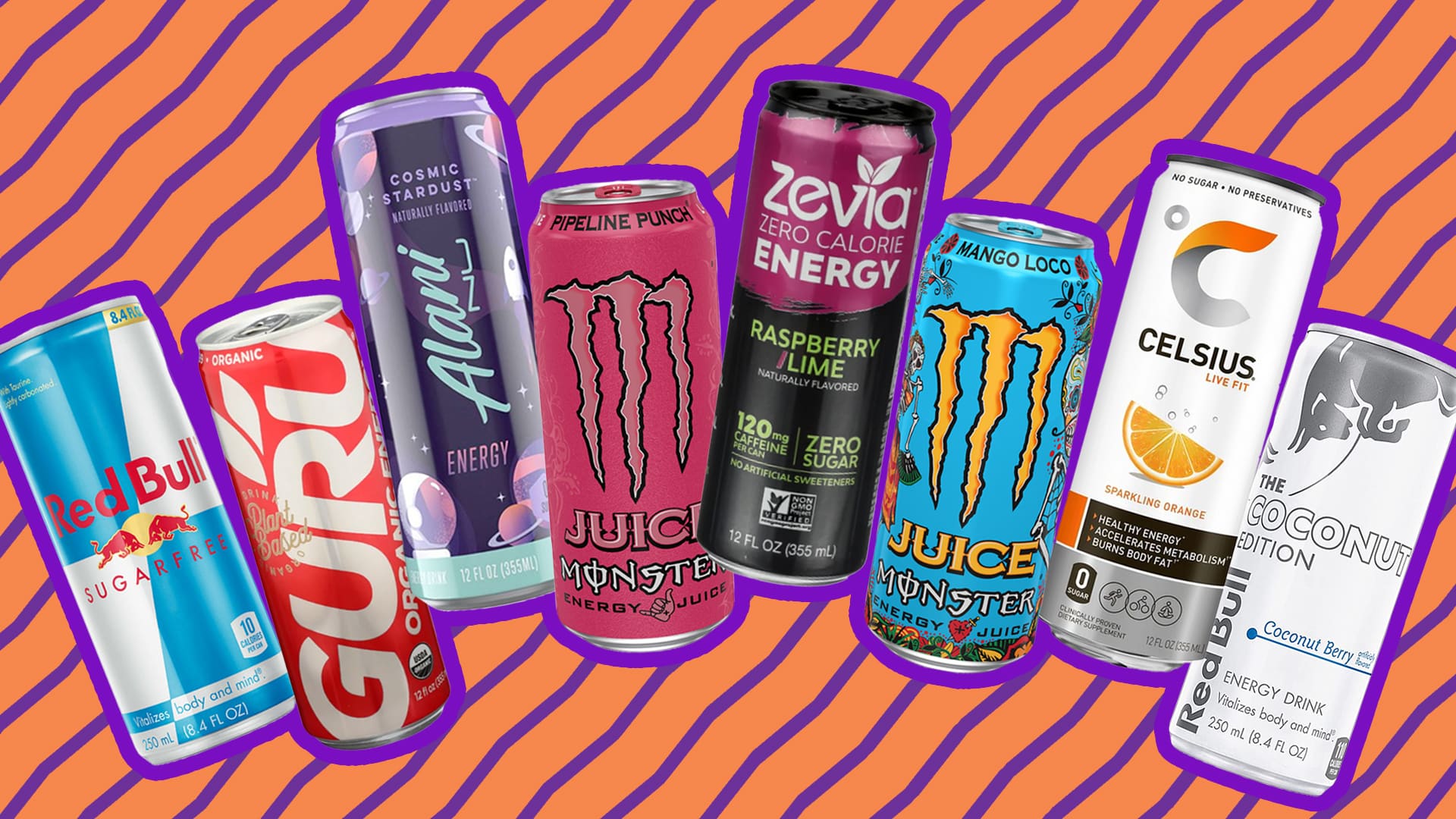
Celsius is the current king of the "fitness" category, claiming to burn body fat via thermogenesis. Ghost Lifestyle owns the "flavor" category with their licensed candy flavors like Sour Patch Kids. Where does ZOA fit?
It’s the "Balanced" option.
It’s not as "science-heavy" as Celsius, and it’s not as "fun" as Ghost. It’s for the person who wants to feel like they’re making a slightly healthier choice without going full-blown organic-kale-juice. It bridges the gap between the extreme sports world and the corporate wellness world.
Is It Actually Healthy?
"Healthy" is a relative term in the world of caffeinated beverages.
If you compare ZOA to a traditional soda, it’s a miracle drink. No high-fructose corn syrup, no artificial colors (the colors come from vegetable juices), and a decent hit of B-vitamins ($B_6$ and $B_{12}$ specifically). These vitamins are essential for energy metabolism, basically helping your body turn food into actual fuel.
However, you still have to be careful with the caffeine. 160mg is still a lot if you're sensitive. Also, while it contains amino acids like branched-chain amino acids (BCAAs), the dosage is likely too low to provide significant muscle recovery benefits compared to a dedicated powder supplement. It’s "window dressing" nutrition—it’s there, it helps, but it’s not the primary reason to drink it.
Common Misconceptions and FAQs
People often ask if ZOA will make them "buff" like The Rock. No. Obviously not. It’s an energy drink, not a magic potion.
Another big one: "Is it safe for kids?" Generally, high-caffeine drinks are discouraged for children and adolescents by the American Academy of Pediatrics. The labeling on ZOA specifically suggests it is for adults.
Finally, the price point. ZOA often sits at a premium—around $2.50 to $3.00 per can depending on where you shop. You're paying for the "clean" ingredients and the brand name. Buying in bulk at places like Costco or Amazon is usually the only way to make it cost-effective for daily use.
How to Use ZOA Effectively
If you’re going to integrate ZOA into your routine, timing is everything.
- The Mid-Morning Slump: This is the sweet spot. Around 10:30 AM, when your first coffee has worn off but lunch is too far away.
- Pre-Cardio: Because of the electrolytes and moderate caffeine, it’s great for a 30-minute run. It won't give you the "jitters" that make running feel like a panic attack.
- The Long Drive: It’s a great road trip companion because it doesn't have the sugar crash that leads to "highway hypnosis."
Practical Steps for the Curious Consumer
If you're looking to try ZOA Energy for the first time, don't just grab a random 12-pack.
Start with a single can of the Wild Orange or Tropical Punch. These are the most refined flavors and give you a true sense of what the brand is trying to do. Check the label for the "Zero Sugar" version specifically, as the original "Sugar" versions are becoming harder to find and aren't really what the brand is focusing on anymore.
Pay attention to how you feel 45 minutes after drinking it. You should notice a lift in focus rather than a spike in heart rate. If you find yourself needing more "kick," that’s when you look into the ZOA+ line. For most people, the standard can is more than enough to bridge the gap between tasks.
Keep an eye on the "ZOA Life" community if you’re into the motivational aspect. The brand frequently runs challenges and giveaways that align with Johnson’s fitness philosophy. It’s more than a drink; it’s an entry point into a specific kind of high-performance culture. Just remember that at the end of the day, no amount of B-vitamins or green tea extract can replace a solid night of sleep and a decent diet. Use it as a tool, not a crutch.