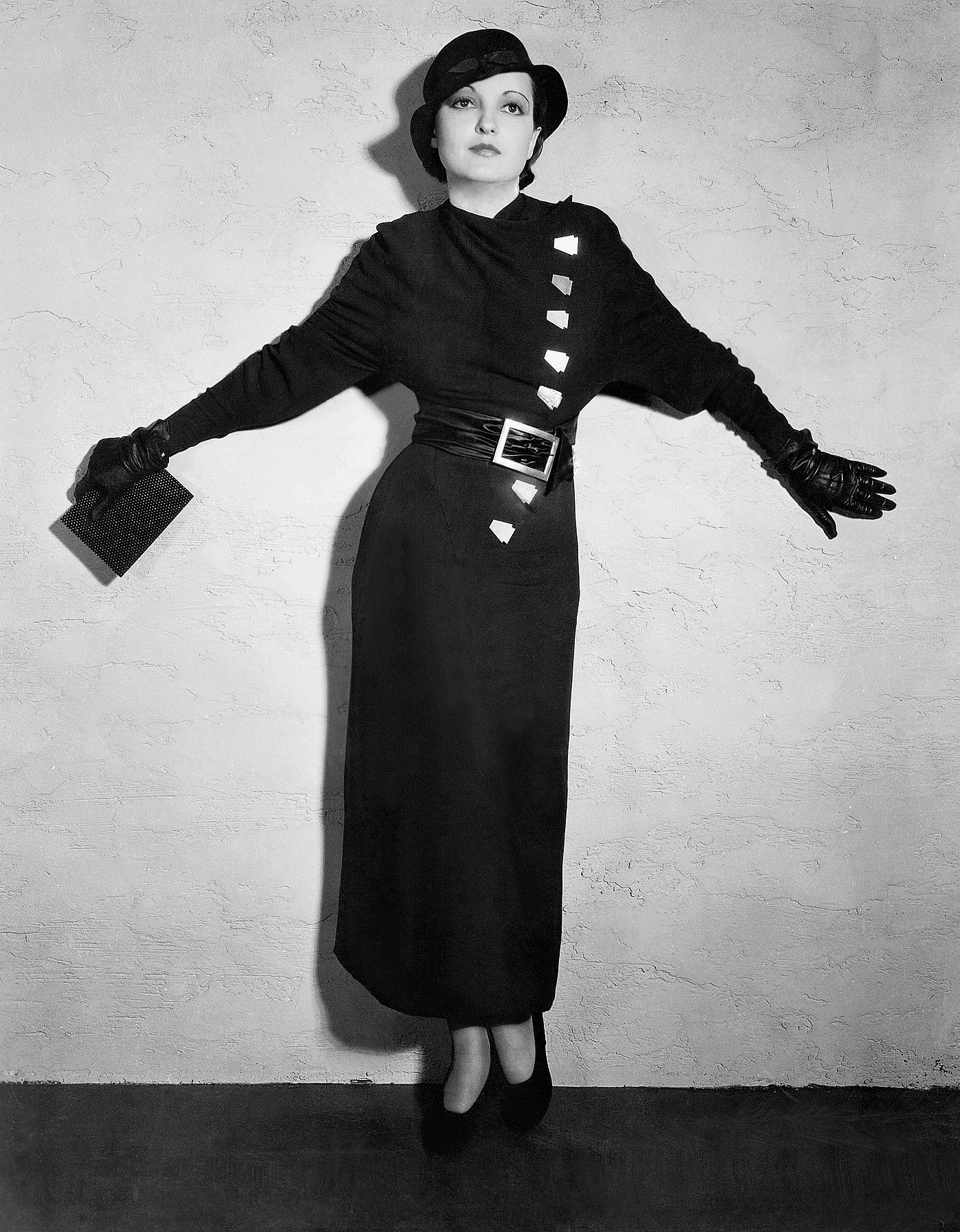
If you’ve ever seen the 1932 classic The Mummy, you probably remember the hauntingly beautiful face of Zita Johann. She played Helen Grosvenor, the woman whose soul was sought by the reanimated priest Imhotep. She was ethereal. She was striking.
And then, she was gone.
While many film buffs assume she simply preferred the stage over the "sausage factory" of Hollywood, there is a much darker, more visceral reason why her career trajectory took a sharp, painful turn. It involves a future legendary director, a lot of alcohol, and a windshield.
The Zita Johann car accident isn't just a footnote in Old Hollywood trivia. It’s a moment that changed the lives of two massive icons, though history often forgets Johann was the one who actually bled for it.
The Night Everything Shattered
It was February 1933. Zita Johann was at the height of her powers. She had just starred opposite Boris Karloff and Edward G. Robinson. She was dating John Huston, a man who would eventually direct The Maltese Falcon but was then mostly known as a wild-living screenwriter and the son of actor Walter Huston.
They were in Malibu. It was late. Huston was behind the wheel.
He was also drunk.
Huston lost control of the vehicle and slammed into a parked car. The impact was violent. In those days, cars didn't have the safety glass or the reinforced frames we take for granted today. They were basically metal boxes with thin sheets of glass. Johann didn't just hit the dashboard; she went through the windshield.
Head trauma. Broken bones. Deep lacerations. It wasn't "minor."
Huston was charged with driving while intoxicated. While he walked away with his life and eventually his reputation, Johann was left with physical and psychological scars that made the high-pressure world of 1930s film sets feel even more like a nightmare.
Why the Accident Was the Final Straw
Honestly, Johann already hated Hollywood. She wasn't shy about it. She famously clashed with The Mummy director Karl Freund, who she claimed was a sadist. He supposedly made her stand for hours in a flimsy costume, and when she complained, he basically told her she was lucky to have a job.
You've got to understand the headspace she was in. She was a serious Broadway actress. She saw film as a lesser art form. Then, the man she was seeing nearly kills her in a preventable accident.
It changed things.
After the crash, her physical recovery took time, but the "damper" on her career—as some historians put it—was largely her own choice. She didn't want to be a commodity for men who didn't care if she lived or died. By 1934, she was basically done with the studio system.
The Second Accident That Haunted Huston
If you think one crash would have slowed John Huston down, you’d be wrong. Just six months after the Zita Johann car accident, Huston was involved in another collision. This one was far more tragic.
While driving on Sunset Boulevard, he struck and killed a pedestrian named Tosca Roulien. She was a dancer and the wife of actor Raul Roulien.
There was a massive scandal. Huston's father, Walter, allegedly used his influence to help keep his son out of prison. While a coroner's jury eventually cleared Huston of blame in the second accident, the pattern was clear. The February crash with Johann had been a warning shot that neither the law nor Huston himself seemed to take seriously enough.
Life After the Windshield
Zita Johann lived to be 89. She didn't die in that car. In fact, she didn't even stop acting entirely; she just stopped playing the Hollywood game.
She went back to the theater. She moved to upstate New York. She taught acting. She painted. She became deeply involved in spiritualism and believed in reincarnation—which is pretty wild when you consider her most famous role was about a reincarnated princess.
She was married three times. None of them were to Huston.
What We Get Wrong About Her "Disappearance"
People often say she was "blacklisted" or that her injuries ruined her looks. That's largely nonsense. If you look at her later work or her appearances in documentaries like The Mummy's Desire, she remained a striking woman.
The "disappearance" was an exit.
She saw the industry for what it was: a place where a director would torture you on set and a boyfriend could put you through a windshield on a Tuesday night. She chose peace over a star on the Walk of Fame.
Actionable Insights for Film Historians and Collectors
If you are researching Zita Johann or the early career of John Huston, here is how to find the real story behind the headlines:
- Check the NYPL Archives: The New York Public Library holds the Zita Johann papers (1924–1954). These include press clippings specifically reporting on the 1935 automobile accident (which some sources conflate with the 1933 Huston incident) and her divorce papers from John McCormick.
- Verify the Dates: Many "Old Hollywood" blogs get the dates mixed up. The major accident with Huston was February 1933. The fatal accident involving Tosca Roulien was September 1933. They are separate events that paint a grim picture of that year.
- Look Beyond The Mummy: To see Johann at her best without the "torture" of Karl Freund, watch The Sin of Nora Moran (1933). It was filmed around the same time and features what many consider to be one of the best posters in cinema history.
- Read the Biographies: John Huston: Courage and Art by Jeffrey Meyers provides the most clinical look at Huston's driving record and the legal fallout from these incidents.
The Zita Johann car accident serves as a stark reminder that the "Golden Age" of cinema was often quite leaden for the women who lived through it. Johann wasn't a victim; she was a survivor who had the guts to walk away from a world that didn't deserve her.
Next Steps for Research: To fully understand the context of the accident, you should examine the 1933 Los Angeles court records regarding John Huston’s DWI charge. Additionally, reviewing the New York Public Library’s collection of Johann’s personal papers can provide a clearer picture of her transition from Hollywood back to the Broadway stage in the mid-1930s.