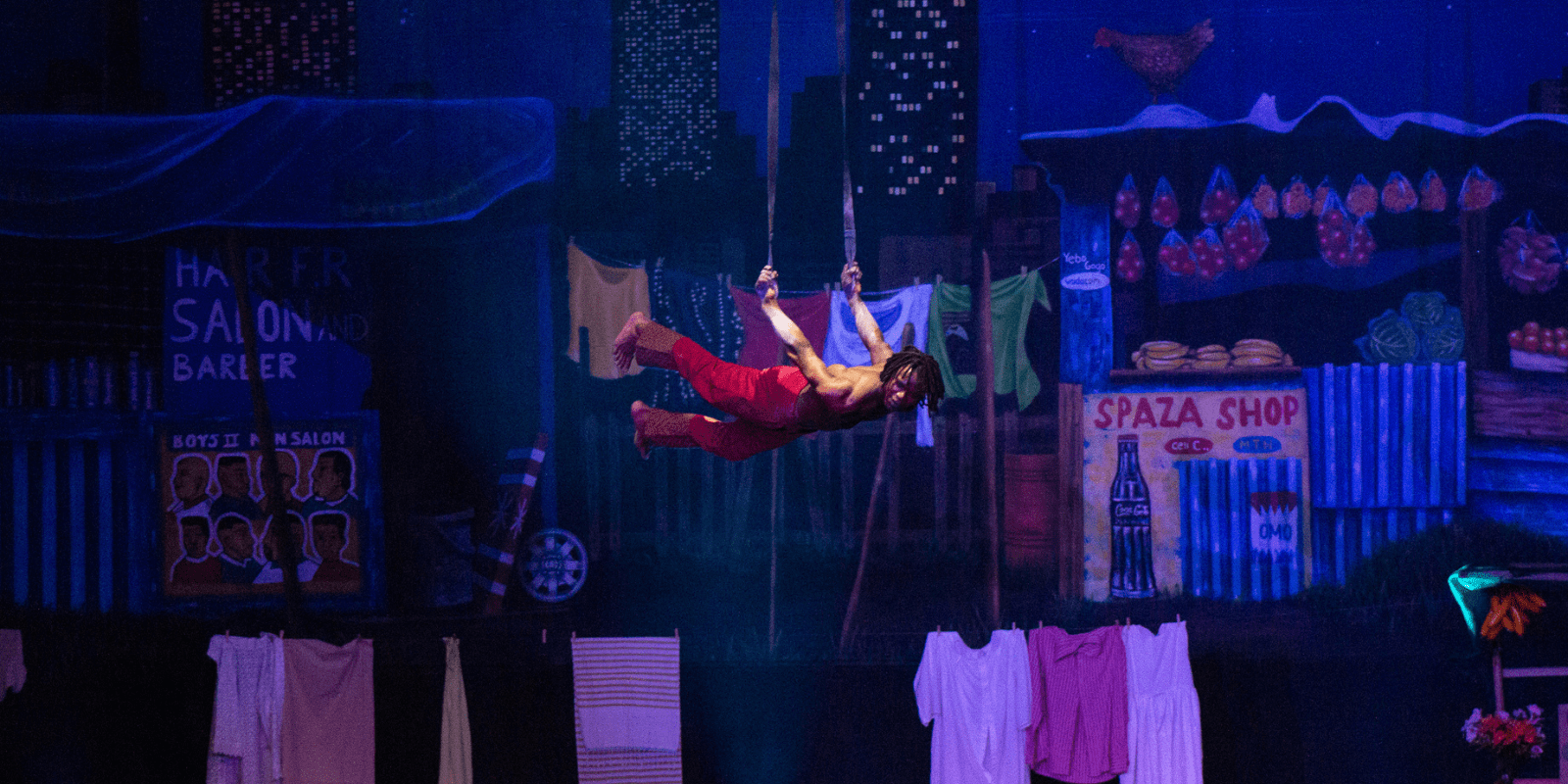
You’ve probably seen a circus before. Massive tents, overpriced popcorn, and performers in sequins doing things with their bodies that make your own back ache just watching. But Zip Zap Circus Moya isn't that. Honestly, it’s closer to a heartbeat set to music than a traditional stage show.
I remember the first time I heard about Zip Zap. It sounds like a cartoon name, right? But the "Moya" show, which has been touring globally—hitting places like Minneapolis and New York City recently—is actually a Zulu word. It means spirit. Or wind. Or soul. Basically, it's that invisible stuff that makes a human being more than just a collection of bones and skin.
The Cape Town Roots You Don't See on Stage
The show didn't start in a fancy rehearsal hall. It started in 1992, right as South Africa was breathing its first real gulps of democracy. Brent van Rensburg and Laurence Estève founded the school with a pretty wild goal: use circus tricks to bridge the gap between kids who had everything and kids who had absolutely nothing.
It's social circus. That’s the technical term. But if you ask the performers, they’ll tell you it’s just home.
The story of Zip Zap Circus Moya is basically the story of the "Rainbow Nation" Nelson Mandela dreamed about. You see ten artists on stage. They aren't just doing "acts." They’re playing out their own lives. One minute you’re watching a guy named Jacobus "Trompie" Claassen play a street kid begging for change, and the next, he’s being flipped through the air by people who, thirty years ago, wouldn't have been allowed to live in the same neighborhood as him.
Why the Acrobatics Feel... Different
Usually, in a big-budget circus, the "wow" factor comes from the danger. In Zip Zap Circus Moya, the wow factor comes from the trust.
There is a sequence with a city bench. It sounds boring. A bench? Really? But they turn this simple piece of wood into a catalyst for friendship and rivalry. It’s physical storytelling at its peak. You’ll see:
- Gumboot Dancing: This is a South African staple. It started with miners who weren't allowed to talk, so they used their rubber boots to communicate through rhythms.
- Pantsula: A high-energy, quick-stepping dance from the townships.
- The Cyr Wheel: Watching a performer spin inside a giant metal hoop is mesmerizing, but in this show, it feels like they’re fighting against the wind—literally embodying the "Moya" spirit.
The music is a huge part of why this sticks in your head. Josh Hawks, the musical director, put together a soundtrack that mixes hip-hop, blues, and traditional African beats. It’s loud. It’s soulful. It makes you want to move even if you have zero rhythm.
What Most People Get Wrong About Social Circus
There’s a misconception that because it’s a "social project," the quality might be "student-level."
That's a lie.
These guys are professionals. They’ve performed for presidents. They’ve toured France and Switzerland. When they were at the New Victory Theater in New York in April 2025, the reviews weren't "nice for a charity." They were "holy crap, how did they do that?"
The training program is called Dare to Dream. It’s a full-time professional course. They aren't just teaching kids to juggle apples; they’re teaching them how to show up on time, how to trust a partner with their life, and how to build a career in the global entertainment industry.
Resilience as an Art Form
The show is about 70 minutes long. No intermission. It’s just one continuous flow of energy.
One of the most moving parts involves aerial straps. It’s not just about strength, though the upper body power required is insane. It’s about the vulnerability of being suspended in mid-air, relying entirely on a piece of fabric and the people holding the other end.
They talk about ubuntu a lot. It’s a philosophy that translates to "I am because we are." You see it when a performer messes up. It happens. Someone drops a ball or slips. In a typical circus, that's a "fail." In Moya, they embrace it. They laugh, they reset, and they go again. It’s a lesson in resilience that feels very real in 2026.
How to Support the Spirit
If you want to catch Zip Zap Circus Moya, you have to keep an eye on their tour schedule. They tend to pop up in theaters that focus on family-friendly but high-concept art.
If they aren't touring near you, you can actually watch the original "Moya" acrobatic film. It was shot during the pandemic when they couldn't perform for live crowds. It won a bunch of awards at international circus film festivals because it captured the grit of Cape Town in a way a stage show sometimes can't.
Actionable Next Steps:
- Check the Tour Dates: Visit the official Zip Zap website to see if their 2026/2027 international schedule includes your city.
- Watch the Film: Look for the "Moya" acrobatic film on streaming platforms or through their site; it’s a great primer for the live energy.
- Support Social Circus: If you’re moved by the mission, consider donating to their school. Since all their programs are free for the youth, they rely on that "Moya" spirit from the public to keep the lights on.
The circus isn't just about the tricks. It’s about what happens in the air between the performers and the crowd. Zip Zap proves that even when life is heavy, you can still fly.