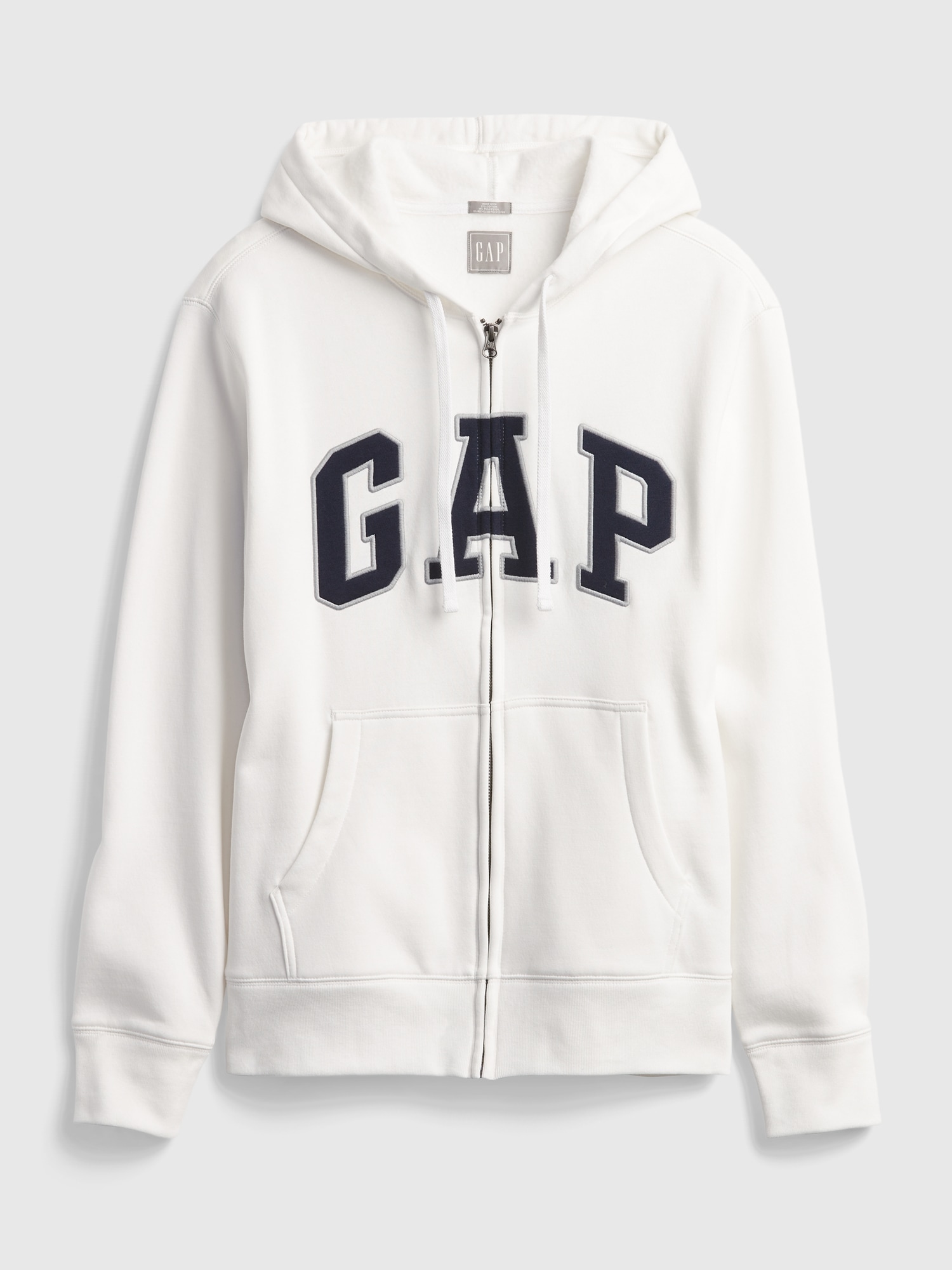
You’ve seen them everywhere. From the Silicon Valley boardroom to the local pub on a rainy Tuesday, the zip up sweater is basically the unofficial uniform of the modern guy. It’s weird, actually. We spent decades obsessing over hoodies and blazers, but somehow, this middle-ground piece became the absolute king of the closet.
Zip up sweaters men choose today aren't just about warmth anymore; they're about navigating that awkward "business casual" space that nobody seems to have a clear definition for. It's the garment that says, "I tried, but I’m not wearing a tie."
Look, let’s be real. Buying one isn’t as simple as grabbing a gray fleece and calling it a day. There is a massive difference between looking like a tech mogul and looking like you’re headed to a middle school parent-teacher conference in 2004. Material choice, zipper height, and the "sag factor" of the collar can make or break the entire vibe.
The great divide: Full-zip vs. Half-zip
Most guys treat these as interchangeable. They aren't.
The full-zip sweater is essentially a sophisticated hoodie. It’s meant to be an outer layer. Because it opens all the way down, it has a tendency to "puddle" at the waist when you sit down, creating that annoying belly-bulge look even if you're in great shape. You wear a full-zip when you expect to take it off indoors.
Then you have the quarter-zip (or half-zip). This is the true workhorse. Brands like Peter Millar and Faherty have built entire empires on the quarter-zip because it frames the face. It mimics the look of a collared shirt. If you wear a button-down underneath, the quarter-zip keeps the collar tucked in and looking sharp. It’s essentially a frame for your neck.
Honestly, if you’re only buying one, go for the quarter-zip in a mid-weight merino.
Why cashmere isn't always the "best" choice
We’ve been conditioned to think cashmere is the gold standard. It’s soft, sure. It’s expensive, definitely. But for a zip-up? It’s often a mistake.
Cashmere is delicate. The constant friction of a metal or plastic zipper against those fine fibers leads to pilling—those annoying little fuzz balls—faster than you can say "dry clean only." If you’re wearing this sweater every day to the office, or tossing it in a backpack, cashmere will look trashed in six months.
Merino wool is the smarter play. It’s breathable, naturally antimicrobial (so it doesn’t stink after one wear), and it holds its shape. A high-quality merino zip-up has a slight sheen that looks expensive but can handle the "zip-unzip" abuse.
Then there’s cotton-cashmere blends. These are the "daily drivers." You get 90% of the softness with 100% more durability. Plus, they don't run as hot. If you work in an over-heated office, 100% wool will have you sweating by 10 AM.
The collar height crisis
This is where most men go wrong.
Check the collar. If it’s too tall, it hits your chin and gets stained with skin oils or, god forbid, beard balm. If it’s too limp, it flops over like a sad pancake. You want a "ribbed" collar. The ribbing provides structural integrity. It should stand up on its own even when unzipped halfway.
A good trick? Look at the zipper tape. If the fabric around the zipper is reinforced with a different material—sometimes a bit of faux suede or a tighter knit—that collar is going to stay upright.
How to style it without looking like a "Dad"
There is a fine line here.
- The Layering Rule: If you’re wearing a t-shirt underneath, make sure it’s a crew neck and that it’s crisp. A bacon-neck undershirt peeking out from a $200 sweater ruins the whole aesthetic.
- The "Tail" Problem: If your dress shirt is longer than the sweater, tuck it in. Always.
- Texture Contrast: If you’re wearing smooth chinos, go for a textured "waffle" or "cable" knit zip-up. If you’re wearing jeans with a lot of character, keep the sweater knit smooth.
The hardware matters more than you think
Don't ignore the zipper. A cheap, shiny plastic zipper on a navy sweater looks like a toy.
Look for YKK zippers—the industry standard for a reason. Better yet, look for "two-way" zippers on full-zip models. This allows you to unzip a few inches from the bottom. Why? Because when you sit down, you can release the tension at the hips so the sweater doesn't bunch up around your chest. It’s a small detail that separates a $40 big-box store sweater from a $150 piece of knitwear.
Maintenance: The "Never-Hanging" Rule
I’m going to be blunt: if you hang your zip-up sweaters on a wire hanger, you deserve the "shoulder nipples" you get.
Gravity is the enemy of knitwear. The weight of the sweater, especially a heavy zip-up, will stretch the shoulders out until it looks like you’re wearing football pads. Fold them. If you’re short on drawer space, use the "fold over the hanger bar" method, but never, ever hang them by the neck.
Also, stop washing them so much. Wool is self-cleaning to an extent. Unless you spilled coffee on it, a quick steam or a night hanging near an open window is usually enough to refresh it.
Actionable Steps for Your Next Purchase
- Audit your current rotation: Toss anything with a floppy collar or significant pilling under the arms.
- Prioritize the "Weight": Buy a "Fine Gauge" merino for layering under blazers and a "Shaker Stitch" or "Fisherman" weight for solo wear.
- Check the Zipper: Opt for antique brass or matte silver finishes. Avoid high-shine chrome; it looks cheap against dark fabrics.
- Size Down: Sweaters stretch. If you’re between sizes, go for the smaller one. A baggy zip-up makes you look wider, not more muscular.
- Color Strategy: Start with Navy, then Charcoal, then Oatmeal. Avoid bright "primary" colors unless you're on a golf course in 1995.
Buying the right zip up sweater for men is about finding that intersection of comfort and structure. Get the collar right, pick the right wool, and stop hanging them up. Do those three things and you'll actually look like the expert in the room.