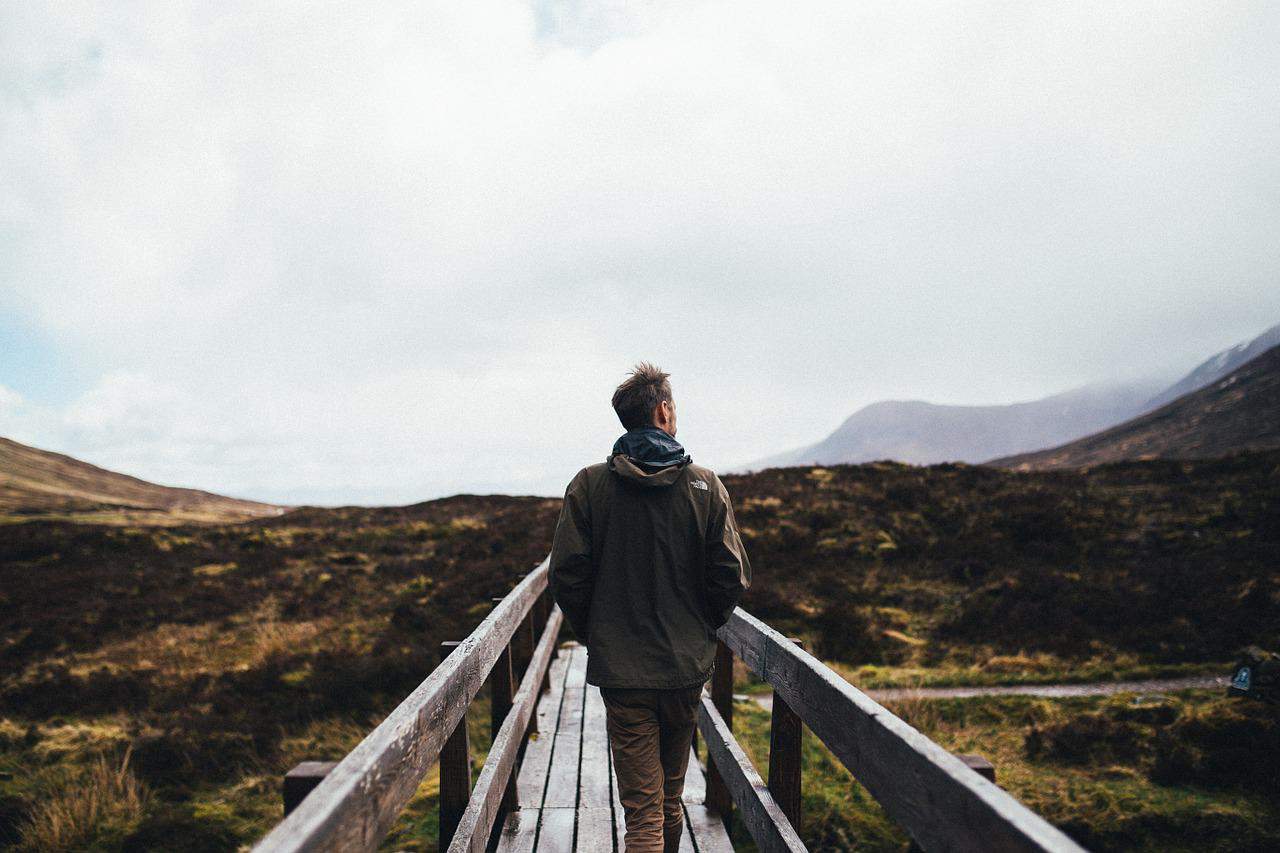
You're three miles into a switchback-heavy climb in Zion. It’s 8:00 AM. The air is still crisp enough to see your breath, but the sun is starting to bake the red rock walls. Your legs are sweating, yet your ankles are cold. This is the exact moment when zip off hiking pants either become your favorite piece of engineering or the most annoying thing you've ever worn.
Most people call them "convertibles." Some call them "dad pants." Honestly? They’re a bit dorkier than a sleek pair of technical leggings or heavy-duty fjällräven trousers. But when you’re staring down a 15-mile day with a 30-degree temperature swing, looking cool takes a backseat to not overheating.
The concept is dead simple. You have a pair of pants. There’s a zipper circling each thigh. You undo the zipper, and boom—you’re wearing shorts. But if you’ve actually spent time on the trail, you know it’s never quite that seamless. There is a specific science to why these things work and a few very real reasons why some hikers absolutely hate them.
The multi-tool of the trekking world
Think of zip off hiking pants as the Swiss Army knife of your wardrobe. They aren't the best pants, and they aren't the best shorts. They are, however, the most versatile tool for a backpacker trying to save weight. If you're doing a thru-hike on the Pacific Crest Trail (PCT), every ounce in your pack feels like a lead weight after twenty miles. Carrying one pair of convertibles is significantly lighter than carrying one pair of pants plus one pair of shorts. It’s basic math.
Beyond weight, there’s the "gross factor." When you’re living out of a pack, you aren't doing laundry every day. Having a garment that can adapt to a midday river crossing—where you can zip the legs off to keep them dry—and then zip them back on to protect against mosquitoes at dusk is a game changer. It’s about utility.
Protection versus ventilation
The primary reason to keep the legs on isn't just warmth. It's protection. I’ve seen people regret wearing shorts in the high desert not because of the cold, but because of the brush. Buckthorn, scree, and poison ivy don't care how hot you are. Zip off hiking pants provide a literal barrier. Then, the second you hit a clear, sun-drenched plateau, you can vent.
Some brands, like Outdoor Research or REI Co-op, have started adding "side zips" to the ankles. This is a tiny detail that matters immensely. Why? Because without them, you have to take your boots off to get the pant legs over your feet. Nobody wants to unlace muddy boots in the middle of a narrow trail just to switch to shorts. If your convertibles don't have vertical ankle zippers, you're going to find yourself leaving the legs on even when you're roasting, simply out of laziness.
Where the design usually fails
Let's be real for a second. The zipper is a failure point. It's a rigid, non-stretchy circle wrapped around your thigh. If you have muscular quads, that zipper can feel like a tourniquet. This is the "sausage casing" effect.
Because the zipper doesn't stretch like the nylon or spandex blend of the fabric, it creates a friction point. I’ve seen hikers with literal rings of chafing around their mid-thigh after a long day of high-stepping over fallen logs. If you're shopping for these, you have to check the inner lining of the zipper. High-end models from companies like Arc'teryx or Prana usually include a fabric flap (a "garage") that covers the zipper teeth so they don't chew into your skin. If that flap isn't there, keep looking.
The "Which Leg is Which?" Nightmare
It sounds like a joke until it happens to you at 5:00 AM in a dark tent. You've detached your pant legs the day before, and now you’re trying to zip them back on. You spend ten minutes struggling with a zipper that won't bite, only to realize you’re trying to put the left leg on the right side.
Smart manufacturers have solved this. Look for color-coded zippers. One side might be red, the other blue. It’s a small touch of "human-centric design" that separates the professional gear from the cheap knockoffs you find at big-box retailers.
Material matters more than the zip
Most zip off hiking pants are made from synthetic blends. Usually, it's a mix of nylon and elastane (Spandex).
- Nylon: This is for durability. You want a high "denier" if you're scrambling over granite.
- Elastane: This provides the four-way stretch. Without at least 3-5% stretch, the pants will restrict your movement.
- DWR Coating: Durable Water Repellent. This isn't waterproofing; it's a chemical treatment that makes water bead off. It wears out over time, so you’ll eventually need to wash them with something like Nikwax to restore it.
Sun protection is the hidden hero here. Most quality hiking pants carry a UPF (Ultraviolet Protection Factor) rating. A UPF of 50+ means only 1/50th of the sun's UV radiation reaches your skin. In high-altitude environments like the Rockies or the Andes, the sun is brutal. Even if it's hot, keeping the legs zipped on can actually keep you cooler by preventing sunburn and reducing the amount of moisture your body loses to evaporation.
Is the "convertible" look dead?
Style is subjective, but convertibles have a reputation for being "peak tourist." The horizontal line across the thigh isn't exactly slimming. Recently, we’ve seen a shift toward "roll-up" pants. These use a button and a tab to secure the hem at the mid-calf.
While roll-ups look more like "normal" pants, they don't offer the same thermal regulation. You still have all that extra fabric bunched up around your knees. If you’re a serious hiker, you eventually stop caring about the aesthetic. You care about the fact that your Columbia Silver Ridge pants cost sixty bucks and have survived three seasons of abuse.
Real-world performance: A case study in the Sierras
Last summer, a group of us went into the High Sierras. One guy wore standard technical leggings. Another wore heavy duty work-style hiking pants. I wore convertibles.
By noon, the guy in the heavy pants was bright red and dumping water on his head to cool down. The guy in leggings was fine, until we hit a patch of overgrown manzanita. His leggings got snagged and developed three separate runs in the fabric within ten minutes.
My zip off hiking pants? I zipped the legs off for the climb, then zipped them back on when we hit the brush and the mosquito-heavy meadows near the water. I wasn't the most stylish person in the group photos, but I was the most comfortable. That’s the "value proposition" of this gear. It's about maintaining a steady core temperature and protecting your skin without needing a wardrobe change.
Buying advice: What to look for in the store
Don't just look at the price tag. Do a "mobility test" in the dressing room.
- The Deep Squat: Drop into a full squat. Does the zipper dig into your thigh? If it feels tight now, it will be unbearable after five miles of swelling.
- The Pocket Check: Most convertibles have cargo pockets. Ensure they are "bellowed." This means they expand outward. If the pocket is flat, putting a smartphone in there will press against your leg and make the zipper even tighter.
- The Crotch Gusset: Look for a diamond-shaped piece of fabric in the crotch. This prevents the "four corners" of fabric from meeting at a single point, which is where pants usually rip.
- Weight of the zipper: A heavy metal zipper is a bad sign. You want high-quality YKK plastic zippers. They don't corrode, they weigh less, and they're less likely to snag the thin fabric of the pant leg.
A note on sizing
Zip off hiking pants often run "technical," meaning they are cut slimmer for athletic builds. However, for this specific type of garment, many seasoned hikers recommend sizing up slightly or looking for a "relaxed fit." Because the zipper creates a non-adjustable circumference, you need that extra bit of room to ensure blood flow when your muscles pump up during a climb.
The environmental impact of your pants
We have to talk about PFAS. For years, the "forever chemicals" used in DWR coatings were the industry standard for making hiking pants water-resistant. They are terrible for the environment.
The industry is changing. Brands like Patagonia and Mammut have moved toward PFC-free DWR. When you are buying your next pair, check the tag for "PFC-Free" or "PFAS-Free." It’s a small choice, but when you’re out enjoying the wilderness, it feels wrong to wear something that actively harms the ecosystems you're walking through.
How to wash them so they last
Heat is the enemy of technical fabric. If you throw your $120 hiking pants in a high-heat dryer, you're going to melt the elastic fibers. They’ll lose their shape and start to sag.
Always wash on cold. Use a gentle detergent—not the heavy-duty stuff with bleach or fabric softeners. Softeners actually "clog" the pores of the fabric, which ruins the breathability. Hang dry them. They’re made of nylon; they’ll be dry in two hours anyway.
Next Steps for Your Gear Kit
If you're ready to pull the trigger on a pair of zip off hiking pants, don't just buy the first pair you see online. Go to a local outfitter and try them on with the actual boots you plan to wear. Check for that ankle zipper; it's the difference between a quick transition and a frustrating ordeal on the side of a trail. Once you find a pair that fits the "thigh-zipper test," take them on a short 3-mile local loop before committing to a multi-day trip. Your quads will thank you for the break-in period.
Also, consider the color. Lighter tans and greys show dirt faster but stay significantly cooler under direct sun. Darker olives and navys hide the "trail grime" but can turn into a heat trap in desert environments. Pick the shade that matches your most frequent hiking terrain.