You see them everywhere. At the end of your address, on the bottom of a shipping label, or barked at you by a cashier at the checkout counter. Zip codes are just five numbers, right? Wrong. Honestly, they’re basically the DNA of the American logistical system, but over the last few decades, they’ve mutated into something much more powerful than a simple mail routing tool.
What does mean by zip code? On the surface, it stands for Zone Improvement Plan. It was a desperate move by the United States Postal Service (USPS) back in 1963 to keep the mail from collapsing under its own weight. But today, those digits determine your car insurance premiums, how fast an ambulance reaches your door, and even which political ads show up on your social media feed. It’s a weirdly specific way of slicing up the country that has nothing to do with city boundaries and everything to do with efficiency.
The Day the Mail Almost Died
Before 1963, mail was a mess. After World War II, the volume of letters exploded. The old system, which relied on local postal zones (like "Detroit 21, Michigan"), couldn't handle the sheer bulk of paper moving across the country. The Post Office was literally drowning in envelopes. They needed a way to automate the sorting process, so they came up with the ZIP Code.
They didn't just launch it quietly. They used a cartoon character named Mr. ZIP—a lanky, wide-eyed mailman—to convince Americans that using these numbers would make mail delivery "zippy." People hated it at first. They felt like they were being turned into numbers. It’s funny looking back, because now we can't imagine an address without one.
Breaking Down the Anatomy of those Five Digits
When you look at a zip code, you aren't looking at a random sequence. It’s a geographic hierarchy. Think of it like a funnel.
The first digit represents a broad group of U.S. states. If your zip starts with a 0, you’re likely in the Northeast—think Maine, Vermont, or Massachusetts. If it starts with a 9, you’re on the West Coast, probably California or Oregon. The numbers basically march across the map from east to west.
The second and third digits narrow it down to a central post office node or a sectional center facility (SCF). This is the hub where mail gets sorted for a specific region. Finally, the last two digits represent the specific post office or delivery area.
Then there’s the ZIP+4. You know, those four extra digits separated by a hyphen? Most of us never use them, but for the USPS, they’re gold. They can identify a specific side of a street, a high-rise building, or even a single floor within a large office complex. It’s surgical precision for mail carriers.
Why Your Zip Code Isn't Actually Your City
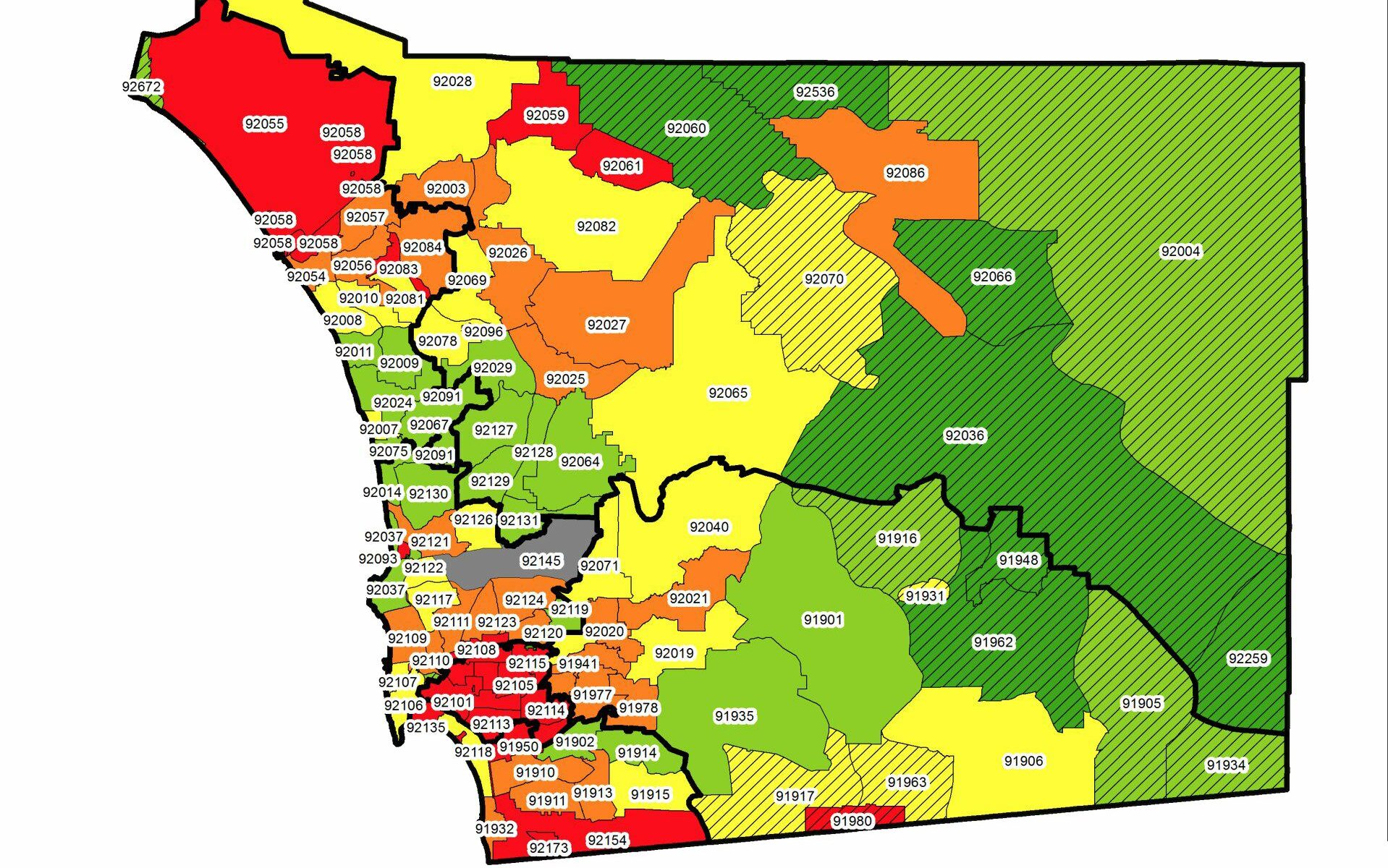
This is where things get annoying for a lot of people. You might live in a specific town, but your zip code says you're in the city next door. This happens because zip codes do not follow municipal boundaries.
The USPS doesn’t care about your local school district or who you pay your property taxes to. They care about the most efficient path for a mail truck. If it’s easier for a truck from "Big City A" to reach your house in "Small Town B," your zip code will likely be tied to Big City A. This causes massive confusion during elections or when people try to enroll their kids in school, as many databases mistakenly use zip codes to verify residency.
The Dark Side: Data, Insurance, and "Zip Code Destiny"
If you've ever wondered why your friend ten miles away pays $50 less for car insurance, the answer is likely their zip code. Actuaries at companies like State Farm or Geico use these digits to map out risk. They look at crime rates, accident frequency, and even the likelihood of hail storms within that specific five-digit boundary.
It gets deeper. In the world of marketing, your zip code is a proxy for your net worth. Companies use a system called PRIZM clusters to categorize zip codes into archetypes like "Upper Crust" or "Urban Achievers." If you live in 90210, you’re getting different catalogs in your mailbox than someone in 48201.
Sociologists often talk about "zip code destiny." Studies from Harvard’s Opportunity Insights project have shown that the zip code a child grows up in can be a stronger predictor of their future income than almost any other factor. It’s a reflection of local resources, environmental health, and community networks. It’s a lot of weight for a five-digit number to carry.
Weird Zip Code Anomalies You Didn't Know Existed
The system is full of quirks. For instance, did you know some buildings have their own zip code? The Empire State Building is 10118. The World Trade Center had its own. Even Smokey Bear has his own zip code (20252) because he gets so much fan mail.
Then there are the "floating" zip codes. Some are assigned to Navy ships (FPO) or military bases overseas (APO). You could be in the middle of the Mediterranean Sea, but for mailing purposes, you're "located" in a postal hub in New York or San Francisco.
And let’s not forget the "unique" zip codes assigned to high-volume mailers. Companies like GE or large government agencies get their own codes because they receive so much mail that it would overwhelm a standard post office.
How to Use This Information
Knowing how zip codes work isn't just for trivia night. It’s practical.
First, always use the ZIP+4 when shipping something critical. It significantly reduces the chance of your package being misrouted or stuck in a sorting facility "loop." You can find your full nine-digit code on the USPS website by using their "Look Up a ZIP Code" tool.
Second, if you're moving, check the insurance rates for your new zip code before you sign the lease. A move of just three blocks can sometimes cross a zip code boundary and spike your premiums by hundreds of dollars a year.
Finally, understand that your zip code is a piece of your digital identity. When a retailer asks for your zip code at the register, they aren't just being friendly. They are often "data appending"—combining your name from your credit card with your zip code to find your home address and purchase history in a third-party database. If you value your privacy, you're perfectly within your rights to say "no thanks."
The Zone Improvement Plan did exactly what it promised: it saved the post office. But it also accidentally created a geographic caste system that businesses and government agencies use to categorize us every single day. Those five digits are a lot more than just a shortcut for a mailman; they are a map of where you stand in the world.
Practical Steps for Managing Your Zip Code Footprint
- Verify your "Mailing City": If you’re having trouble with deliveries, check the USPS database. Your "physical" city and "postal" city might be different. Use the postal version for online orders to avoid "address not found" errors.
- Audit your insurance: If you live on the border of two zip codes, ask your agent if your rate is based on the higher-risk zone. Sometimes an manual override is possible if your actual residence is in a lower-risk precinct.
- Protect your data: When shopping in person, decline to give your zip code. It’s one of the easiest ways for data brokers to link your anonymous physical purchase to your online profile.
- Use Look-up Tools: For business owners, use the USPS ZIP Code Lookup to ensure your customer mailing lists are cleaned and standardized. This saves a fortune on "return to sender" postage fees.