You know the tune. Even if you haven't seen the movie it came from—and honestly, most people under the age of 40 haven't—you’ve definitely hummed along to Zip-A-Dee-Doo-Dah. It’s catchy. It’s upbeat. It feels like sunshine distilled into a few bars of music. For decades, it was the literal anthem of the Disney experience, greeting guests as they walked through the gates or floated through Splash Mountain.
But things changed. Fast. Also making headlines in related news: The Sneako Visa Ban: Why Australia’s Character Test is a Feature, Not a Bug.
If you walk through Disneyland or Magic Kingdom today, you’ll notice a conspicuous silence where that "bluebird on my shoulder" used to live. Disney didn't just turn the volume down; they effectively scrubbed the song from their official atmosphere. It’s a move that sparked a massive cultural debate, pitting nostalgia against modern social awareness. To understand why a song about a "wonderful day" became so controversial, you have to look past the cartoon rabbits and dive into a messy history involving 1940s Hollywood, Reconstruction-era folklore, and a movie Disney would rather you forget exists.
The Song That Outlived Its Source Material
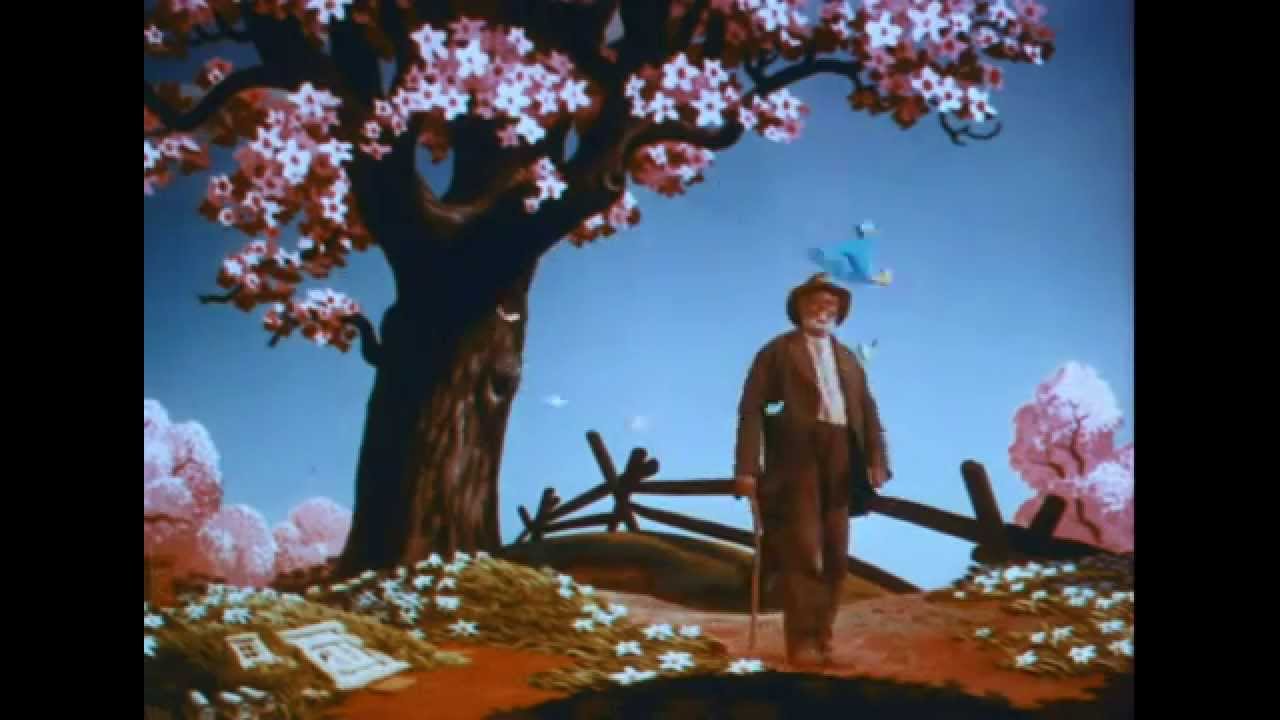
The year was 1946. Disney released Song of the South, a live-action and animated hybrid based on the Uncle Remus stories by Joel Chandler Harris. The film was an immediate commercial success. At the 20th Academy Awards, "Zip-A-Dee-Doo-Dah," written by Allie Wrubel and Ray Gilbert, took home the Oscar for Best Original Song. James Baskett, who played Uncle Remus, also received an Honorary Academy Award for his performance, making him the first Black male actor to receive an Oscar. More insights into this topic are covered by IGN.
The song is objectively a masterpiece of songwriting. It’s built on a foundation of "scat" singing and infectious rhythm. It’s supposed to represent pure, unadulterated joy.
However, the context is the problem.
Song of the South is set on a plantation during the Reconstruction era. Critics and historians, like those at the NAACP who protested the film even in 1946, argued that it painted a "dangerously glorified picture of slavery." While the film technically takes place after the Civil War, the power dynamics and the idyllic portrayal of plantation life suggested a world where Black laborers were blissfully happy in their subservience. Zip-A-Dee-Doo-Dah is the centerpiece of that "bliss."
The Splash Mountain Connection
For a long time, the song lived a double life. While Disney kept the actual movie Song of the South locked in a "vault" starting in the 1980s—never releasing it on home video in the U.S.—they leaned heavily into the music for Splash Mountain.
The ride opened in 1989. It was a smash hit.
By centering the attraction on the animated characters like Br'er Rabbit and Br'er Fox, Disney thought they could keep the "fun" parts of the movie while ditching the problematic human elements. It worked for thirty years. For most kids riding a log flume in the 90s, Zip-A-Dee-Doo-Dah wasn't a song about the post-Civil War South; it was just the song you heard right before you got soaked.
But the world grew up.
In 2020, amid a global reckoning over racial justice and the symbols we choose to elevate, the disconnect became impossible to ignore. A song from a film deemed too offensive to sell on DVD was still the soundtrack to one of the most popular theme park rides in the world. Disney announced they would re-theme Splash Mountain to Tiana’s Bayou Adventure, based on The Princess and the Frog. Along with the logs and the drops, the music had to go.
Why the Removal Felt Different This Time
Disney has retired songs before. They update parades. They change fireworks shows. But Zip-A-Dee-Doo-Dah was different because it was foundational.
In 2022, fans noticed the song was quietly removed from the Disneyland Resort background music loops. Then, it disappeared from the Magic Kingdom entrance medley. This wasn't just a refurb; it was an eviction.
Some fans were devastated. They argued the song had transcended its origins. They saw it as a piece of musical history that stood for optimism, regardless of the 1946 film. On the flip side, many historians pointed out that you can't truly separate a work of art from its roots. If the root is a film that romanticizes a period of intense racial oppression, the "fruit"—the song—is inherently tainted.
The "Zip-A-Dee-Doo-Dah" Linguistics
Interestingly, the phrase itself might not even be original to the 1940s. Some linguists and historians have pointed to its similarities to "Zip Coon," an 1830s blackface minstrel show song. While the Disney version is musically distinct, the phonetic similarity is a "yikes" moment for researchers. It’s these layers of history that make the song so radioactive for a corporation that prides itself on being the "most inclusive place on earth."
It’s a weird situation. You have a song that is musically brilliant, historically significant, and widely loved, yet it’s tied to a narrative that is fundamentally at odds with modern values. Disney chose the path of least resistance: preservation through erasure.
Where You Can Still Hear It (For Now)
If you’re a purist, you aren’t totally out of luck, though the options are shrinking. You won't find it on the official Disney Parks playlists on Spotify anymore. However, it still exists in various Disney media collections, and older CD releases of park music are basically gold on the secondary market now.
It’s also worth noting that the song remains a staple in the Great American Songbook. Jazz artists and pop singers have covered it for decades. You’ll still hear it in non-Disney contexts because, frankly, it’s a great piece of composition. But as a branding tool for a multi-billion dollar theme park? Those days are done.
The replacement, Tiana’s Bayou Adventure, features original Zydeco and jazz-influenced music from New Orleans. It’s a shift from the folk-pop of the 40s to a more specific, culturally grounded sound. It’s a different kind of "wonderful day," one that doesn't require a disclaimer.
The Reality of Cultural Evolution
We often talk about "cancel culture," but what happened to Zip-A-Dee-Doo-Dah is more like "corporate evolution." Disney is a business. They want the widest possible audience to feel comfortable spending thousands of dollars at their resorts. If a song makes a significant portion of that audience uncomfortable—or reminds them of a shameful era of film history—it’s bad for the bottom line.
It’s okay to miss the song. It’s okay to acknowledge its catchy melody while also understanding why it had to go. History is rarely black and white; it’s usually a messy shade of gray.
Actionable Steps for Music and History Fans
If you're interested in the legacy of this song or how media changes over time, here is how you can dig deeper without just relying on a catchy chorus:
1. Research the NAACP's 1946 Response Don't take modern "outrage" at face value. Look up the actual statements made by Walter White, then-executive secretary of the NAACP, when the film was released. It proves that the "controversy" isn't a new "woke" invention; it has existed since day one.
2. Listen to the Original James Baskett Recording Separate the theme park version from the original performance. Baskett’s delivery is technically incredible, and understanding his talent helps provide a more nuanced view of the Black actors who worked in Hollywood during the studio era.
3. Explore the New Soundtrack Check out the music of PJ Morton and Terence Blanchard, who worked on the music for the new Tiana attraction. It’s a great way to see how Disney is trying to replicate that "upbeat" energy using authentic cultural markers instead of the "imagined" South of the 1940s.
4. Check Your Physical Media If you own old Disney Mania CDs or "Classic Disney" volumes from the 90s, hold onto them. These are becoming the primary ways to hear the song in its "official" Disney capacity as the company continues to move away from it on streaming platforms.
The "bluebird" hasn't been killed, but it has definitely flown the coop. Zip-A-Dee-Doo-Dah serves as a perfect case study in how we handle the "problematic favorites" of our past. We don't have to burn the tapes, but we also don't have to keep them on the main stage. Move forward, keep the melody in your head if you want, but recognize that for a lot of people, the "wonderful day" the song describes was never actually that wonderful.