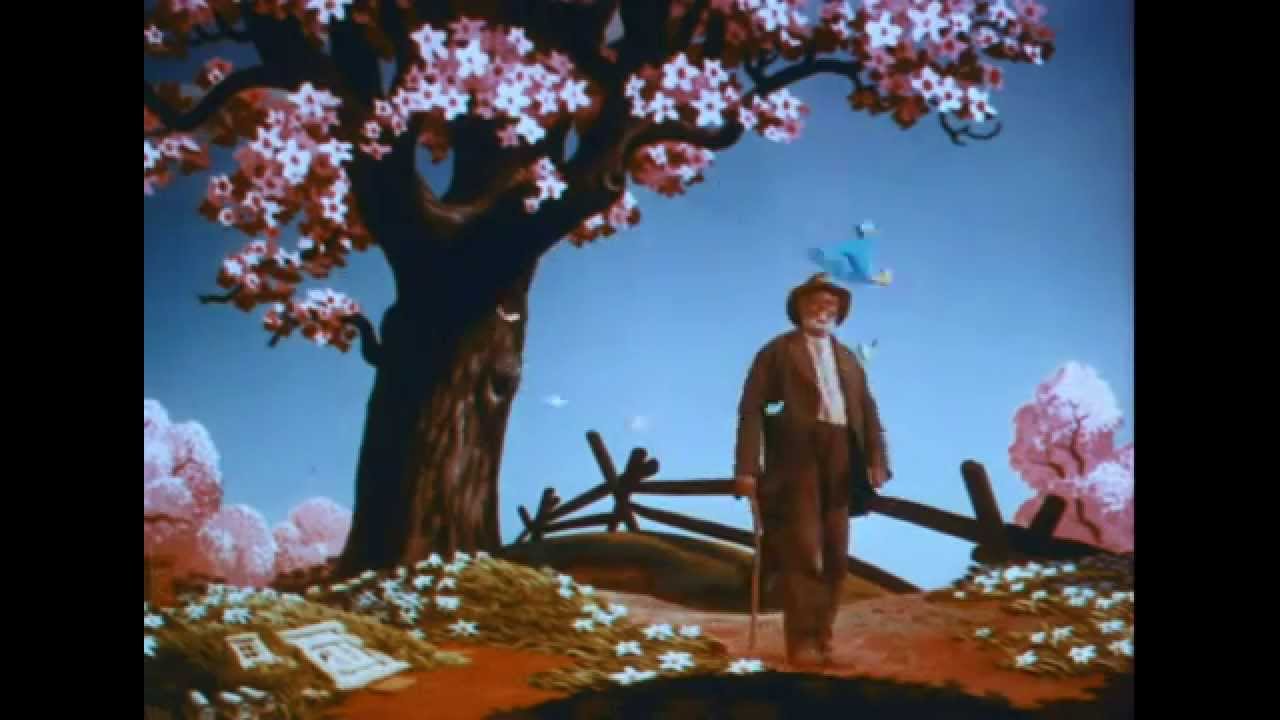
You know the tune. Even if you haven’t seen the movie it’s from—and let’s be real, most people under forty haven't—you can probably hum the melody of Zip-A-Dee-Doo-Dah without even trying. It’s one of those "earworm" songs that feels like it’s been part of the American landscape forever. It’s cheery. It’s bouncy. It’s got that "Mister Bluebird on my shoulder" vibe that screams classic Disney.
But here’s the thing. Meanwhile, you can find similar stories here: Architectural Integrity and Narrative Debt in Daredevil Born Again Season 3.
If you walk through a Disney theme park today, you aren't going to hear it. Not on the speakers, not in the parades, and definitely not on the rides. The song has been systematically scrubbed from the Disney ecosystem. It’s a move that sparked a massive amount of "culture war" shouting online, but the reality behind the decision is actually a lot more nuanced than just "corporate wokeness" or a PR stunt. It’s about a 1946 film called Song of the South and a legacy that Disney has been trying to run away from for decades.
The Problem With the Origin Story
To understand why Zip-A-Dee-Doo-Dah is basically banned now, you have to look at where it came from. The song was written by Allie Wrubel with lyrics by Ray Gilbert for the live-action/animated hybrid film Song of the South. At the time, it was a massive hit. It actually won the Academy Award for Best Original Song in 1947. To see the full picture, we recommend the recent analysis by Variety.
James Baskett, the actor who played Uncle Remus, was the one who brought it to life. He was incredible. He was actually the first Black male performer to receive an Oscar (though it was an Honorary Award, which is a whole other conversation about the Academy's history). The song was meant to represent a carefree, joyful outlook on life.
But the context? It’s messy.
Song of the South is set during the Reconstruction era in the American South. The problem is that it portrays a "plantation myth" version of history. It shows a world where Black sharecroppers are blissfully happy, singing while they work, and living in perfect harmony with the white families who used to own them. It glosses over the brutal reality of what the post-Civil War South actually looked like for formerly enslaved people.
Historians like Donald Bogle have pointed out that this kind of "pastoral" depiction of the South served to minimize the trauma of slavery. When you have a character like Uncle Remus singing Zip-A-Dee-Doo-Dah while strolling through a sun-drenched plantation, it reinforces a specific, sanitized version of history that many find deeply offensive. It wasn't just about the words of the song; it was about the world the song was celebrating.
Splash Mountain and the Final Straw
For a long time, Disney tried to separate the song from the movie. They figured if they just didn't release the movie on VHS or DVD (which they haven't in the US), people would forget the connection. They leaned hard into the animated characters—Br'er Rabbit, Br'er Fox, and Br'er Bear.
That’s how we got Splash Mountain.
The ride opened in 1989 at Disneyland and 1992 at Walt Disney World. It was a massive success. The climax of the ride featured a giant showboat with animatronics singing Zip-A-Dee-Doo-Dah. For millions of kids, that was their only exposure to the song. They had no idea it was linked to a controversial film. They just liked the big drop and the catchy music.
But as the social climate changed, Disney’s leadership—specifically under Bob Iger and later Bob Chapek—realized they couldn't keep a flagship attraction based on a movie they were too ashamed to even put on Disney+. The 2020 protests for racial justice accelerated everything.
Disney announced they were re-theming Splash Mountain to Tiana’s Bayou Adventure, based on The Princess and the Frog. Along with that change came the directive to phase out the song everywhere.
It’s Not Just the Movie—It’s the Language
There is another layer to this that most people miss. Some linguistic historians have argued that the phrase "Zip-A-Dee-Doo-Dah" wasn't just a nonsensical invention by a songwriter.
There are connections to "Zip Coon," a blackface minstrel show character from the 1830s. The "Zip Coon" song was a mockery of Black people who attempted to assimilate into white culture. While the 1946 Disney song doesn't use the same lyrics, the phonetic similarity to a well-known minstrel trope made it radioactive once researchers and activists started drawing the lines between the two.
Honestly, when you look at it from a corporate perspective, Disney is in the business of making everyone feel welcome. If a song—no matter how catchy—is tied to minstrelsy and a romanticized view of the Jim Crow era, it’s a liability. It doesn't matter if the 1946 version was intended to be "innocent." In the world of global branding, perception is reality.
What Actually Happened to the Music?
If you go to the Magic Kingdom today, the "Loop"—the background music that plays in the entrance plaza—has been edited. For decades, a flute-and-banjo version of Zip-A-Dee-Doo-Dah was a staple. In 2022, it was quietly removed.
The Festival of Fantasy parade? They changed the lyrics or swapped the track.
The "Magic Happens" parade at Disneyland? Gone.
Even the hand-soap dispensers in some of the resort hotels that used to play a snippet of the tune were replaced. It has been a thorough, top-down scrubbing of the intellectual property.
Disney hasn't made a loud, aggressive "we hate this song" speech. They’ve just stopped using it. It’s the corporate version of ghosting. They are letting it fade into the background of history, hoping that in another twenty years, nobody will remember it at all.
The Counter-Argument: Is it "Erasure"?
Of course, not everyone is happy about this. There’s a segment of the Disney fanbase—often called "Disney Purists"—who feel that the song should be judged on its own merits. They argue that the song is about optimism and "wonderful days," not about the politics of 1946.
Even James Baskett’s legacy is a point of contention. Some feel that by burying the song and the movie, Disney is also burying the work of the first Black man to win an Oscar. They argue that instead of hiding it, Disney should provide context—much like they do with the "outdated cultural depictions" warnings on Disney+ for films like Dumbo or Peter Pan.
But Song of the South is the only movie Disney refuses to put a warning on. They just won't show it. Because while Dumbo has a few problematic scenes, the entire premise of Song of the South is built on a foundation that Disney now finds fundamentally incompatible with its brand.
How the Song Still Lives On (Legally)
You can still find the song if you look for it. It’s on YouTube. It’s on old CDs. It hasn't been "deleted" from the world, just from the Disney "brand experience."
Interestingly, the song is still popular in some international markets where the historical context of the American South doesn't carry the same weight. But even there, Disney is slowly standardizing their parks. The Tokyo Disneyland version of Splash Mountain is currently the last one standing that still features the original characters and music, but there are constant rumors that it will eventually follow the US parks' lead.
The Legacy of a Melody
It’s a weird situation. You have a piece of music that is objectively well-crafted—it’s simple, it’s memorable, and it won the highest award in film music. But it’s tethered to a weight it can’t shake.
Zip-A-Dee-Doo-Dah has become a case study in how cultural artifacts change over time. What was "whimsical" in 1946 became "nostalgic" in 1980 and "unacceptable" in 2020.
Disney isn't the only company doing this, but because they are so central to childhood, people take it personally. Whether you think it’s a necessary correction or a loss of film history, the result is the same: the bluebird has officially flown away.
Moving Forward: What to Know
If you are a collector or a fan of Disney history, there are a few things to keep in mind regarding the song's future:
- Physical Media is Key: Since Disney is unlikely to ever stream Song of the South or include Zip-A-Dee-Doo-Dah in new official playlists, older CDs like Disney’s Greatest Hits are the only way to own a high-quality version of the track.
- Tiana’s Bayou Adventure: When visiting the parks, don't expect "Easter eggs" referencing the old song. Disney has been very clear that the new ride is a total departure from the old source material.
- The "Context" Debate: If you're interested in the film history, look for the book Who’s Afraid of the Song of the South? by Jim Korkis. It provides a balanced look at the production of the film and the song without the corporate filter.
- Check the Credits: You’ll notice that in modern documentaries about Disney music, this song is often skipped over entirely, even when discussing the 1940s. It’s a fascinating look at how a company manages its "official" history.
The song might be gone from the parks, but the conversation about how we handle complicated history is just getting started. It’s basically a reminder that nothing—not even a happy little tune about a bluebird—exists in a vacuum.