It’s a melody that sticks. You know the one. It starts with a bouncy, rhythmic "Zip-a-dee-doo-dah" and immediately conjures up images of bluebirds on shoulders and sunshine everywhere. For decades, it was the sonic equivalent of a warm hug from Mickey Mouse himself. But today? Try finding it at a Disney park. You can't. Not easily, anyway. The zip a dee doo dah song has been quietly, then very loudly, scrubbed from the Disney lexicon, leaving a trail of nostalgia, confusion, and intense cultural debate in its wake.
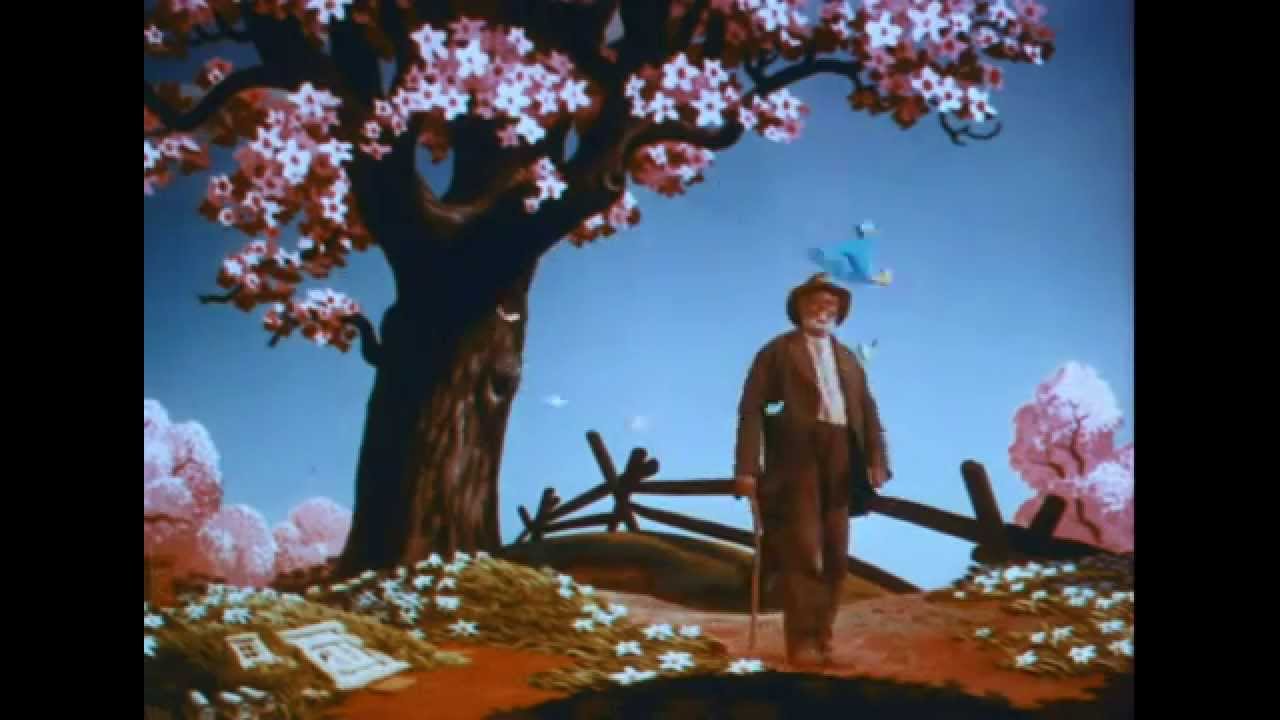
Most people remember it from Song of the South, the 1946 live-action and animated hybrid film. Others know it from the Splash Mountain log flume ride, where it served as the grand, soaking-wet finale. It won an Academy Award for Best Original Song. It’s been covered by everyone from Louis Armstrong to Paula Abdul. Yet, despite its sugary surface, the song is tethered to a history that Disney no longer wants to sell.
The Birth of a 1940s Mega-Hit
The song didn't just appear out of thin air. It was a calculated piece of upbeat songwriting meant to anchor a film that Disney hoped would be a post-war triumph. Written by Allie Wrubel with lyrics by Ray Gilbert, the track was designed to be infectious. It worked. James Baskett, the actor who played Uncle Remus, brought a soulful, weary warmth to the performance that resonated with audiences in a massive way.
The lyrics are simple. They talk about a "wonderful day" and a "feeling." There’s no mention of the Civil War. No mention of Reconstruction. On its own, it’s a song about radical positivity. Baskett was actually given an Honorary Academy Award for his performance as Uncle Remus, making him the first Black male actor to receive an Oscar, though the victory was bittersweet given the segregation of the era. He couldn't even attend the film's premiere in Atlanta because no hotel would give him a room.
Why the Zip A Dee Doo Dah Song Became Toxic
Context is everything. You can't separate the song from the film, and you can't separate the film from its source material: the Joel Chandler Harris stories. Harris was a journalist in post-Civil War Atlanta who recorded African American folktales. While some folklorists argue he preserved stories that might have been lost, the framing of the Uncle Remus character has always been the sticking point.
Critics, including the NAACP at the time of the film’s release, argued that Song of the South depicted a "perpetuated a dangerously glorified picture of slavery." While the movie is technically set during the Reconstruction era—after the abolition of slavery—the power dynamics and the idyllic portrayal of life on a plantation felt, to many, like a slap in the face to the reality of the Black experience in the American South.
Disney felt the heat early. They never released the full movie on home video or DVD in the United States. It became a "forbidden" piece of media, even while the zip a dee doo dah song continued to play on every "Disney Greatest Hits" CD sold at Walmart. This created a weird cultural disconnect. Kids in the 90s loved the song but had literally no way of seeing the movie it came from.
The Splash Mountain Connection
For a long time, Splash Mountain was the song's life support system. Built in the late 80s, the ride used the characters—Br'er Rabbit, Br'er Bear, and Br'er Fox—to tell a sanitized version of the stories. By the time your log reached the final scene, a massive showboat filled with animatronic animals sang the zip a dee doo dah song at full volume.
It was a masterclass in theme park design. The tension of the drop followed by the release of the upbeat music created a dopamine hit that made the ride a fan favorite for thirty years. But as the cultural landscape shifted, the presence of these characters became increasingly untenable for a company that prides itself on being "The Most Magical Place on Earth" for everyone.
In 2020, amid a global reckoning over racial justice and representation, Disney announced they would be re-theming Splash Mountain to Tiana’s Bayou Adventure, based on The Princess and the Frog. With that announcement, the song’s fate was sealed.
The Great Scrubbing
If you walk through Disneyland or Magic Kingdom today, you'll notice a silence where there used to be a whistle.
- The background music loops on Main Street, U.S.A.? Changed.
- The "Magic Happens" parade? Lyrics swapped out.
- The playlists in the resort hotels? Deleted.
Disney didn't just stop playing the song; they systematically removed it from the physical environment. It was a corporate "erasure" that sparked a massive backlash from traditionalists who argued that the song was innocent even if the movie wasn't. But from a brand management perspective, the zip a dee doo dah song had become a liability. It was a bridge to a past that Disney found impossible to defend.
Musical Analysis: Why It Works
Why does it still get stuck in your head? It’s the "zip." Linguistically, plosive sounds like 'Z' and 'P' are satisfying to say. The rhythm is a classic 4/4 "bounce" that mimics a walking pace. It’s designed to make you want to move.
Musically, the song relies on a very standard "I-IV-V" chord progression, which is the backbone of most folk and pop music. It’s familiar. It feels like you’ve known it your whole life, even the first time you hear it. Allie Wrubel was a Tin Pan Alley pro, and he knew exactly how to manufacture a "whistle-able" tune.
Interestingly, the term "Zip-a-dee-doo-dah" is often cited as being influenced by a pre-Civil War song called "Zip Coon," a staple of minstrel shows. This is the "nuance" that often gets lost in Twitter debates. For some, it's just a fun word. For historians, it carries the weight of a century of caricature.
The Legend of James Baskett
We really need to talk about James Baskett. His performance is the only reason the song survived as long as it did. He wasn't just a singer; he was a vaudevillian and an actor with incredible timing. He took a role that was written with heavy-handed tropes and gave it a sense of dignity that arguably wasn't on the page.
Walt Disney himself lobbied the Academy to give Baskett that honorary Oscar. Walt reportedly said Baskett was "the best actor I’ve ever worked with." It’s one of those weird paradoxes of Hollywood history: a Black man delivers a career-defining, award-winning performance in a movie that would eventually be deemed too offensive to show to the public.
What Most People Get Wrong
People often think the zip a dee doo dah song is "banned" by the government or something. It's not. You can go on YouTube right now and find a thousand versions of it. You can stream it on Spotify. Disney hasn't sued the song out of existence; they’ve simply stopped using it as a representative of their modern brand.
Another misconception: that the song is about slavery. Strictly speaking, it isn't. The lyrics are about a "Mr. Bluebird" and "plenty of sunshine." The controversy is purely about the association. If the song had debuted in Cinderella or Peter Pan, we wouldn't be having this conversation. It’s "guilty by association."
Where Does the Song Live Now?
While it’s gone from the parks, the song survives in the "collector" space. Vintage vinyl records of the soundtrack fetch high prices. Fans of "Extinct Attractions" (a very real and very intense subculture) keep the memory of the Splash Mountain version alive through bootleg recordings and VR recreations of the ride.
It also lives on in jazz. Because of its solid structure, jazz musicians have often used it as a "standard" to improvise over. It’s been stripped of its Disney-fied polish and turned into something more complex and instrumental.
Navigating the Legacy
So, how do you handle the zip a dee doo dah song in 2026? It’s a bit like looking at an old family photo of a relative who had some really problematic views. You can recognize the craftsmanship of the photo, and you can even remember the "good times" associated with it, while still acknowledging that the context is messed up.
If you love the song, you aren't necessarily endorsing the racial politics of 1940s Hollywood. But ignoring why it was removed is also a bit of a blind spot.
Actionable Insights for the Curious
If you’re looking to understand this cultural moment better, don’t just read the headlines. Do the following:
- Listen to the James Baskett recordings. Separate from the animation, listen to the man’s voice. You’ll hear a level of talent that explains why Walt Disney was so enamored with him.
- Compare the lyrics to "Zip Coon." If you want to see where the "minstrelsy" arguments come from, look at the lyrical structure of 19th-century "Zip" songs. The linguistic DNA is there.
- Visit Tiana’s Bayou Adventure. Go see what Disney replaced it with. Look at how they used music (New Orleans Jazz) to create a similarly "sunny" vibe without the historical baggage.
- Watch "The Last Disney Taboo." There are several high-quality video essays and documentaries that delve into the production of Song of the South. Knowing the "why" behind the controversy is better than just taking a side.
Ultimately, the zip a dee doo dah song is a masterclass in how pop culture evolves. Something can be "good" (catchy, well-performed, award-winning) and "bad" (racially insensitive, historically skewed) at the same exact time. We don't have to pick one. We just have to be smart enough to hold both truths at once. The song is a relic. It’s a catchy, beautiful, deeply uncomfortable relic that tells us more about the 20th century than perhaps any other piece of Disney music ever could.