You’re staring at the screen, hovering over that "Register" button. It’s for the Zion Half Marathon. You’ve seen the photos—the orange sandstone, the crisp desert air, the sun hitting The Watchman just right as you cross the finish line. It looks like a dream. But honestly, most people jump into Zion Half Marathon registration without realizing what they’re actually signing up for.
It isn’t just a 13.1-mile run. It’s a logistical puzzle in the middle of a desert.
If you’re planning for the February 28, 2026 race, you’ve gotta move. This race sells out. Often months in advance. The event is produced by Vacation Races, and they don't do things like your local 5K. This is a "cup-free" event. It’s a point-to-point course. It involves shuttles that leave while most people are still in deep REM sleep. Basically, if you don't have a plan for the registration process and the weekend logistics, you’re going to be stressed before you even hit the first mile marker.
The Reality of Zion Half Marathon Registration
First things first: the price. For the 2026 event, the registration fee is sitting around $220 to $228. Yeah, it’s steep. You’re paying for the "National Park" experience, even though—and this is a big one—the race doesn’t actually take place inside Zion National Park.
Federal regulations are pretty strict about organized races on park land. Instead, you start in Virgin, Utah, and run toward the mouth of the canyon. You finish in Springdale, right at the doorstep of the park. It’s still gorgeous, but don't expect to be dodging tourists on the Pa'rus Trail during the race.
Registration Tiers and Deadlines
- Standard Entry: This is your typical bib. It includes your shirt and medal. Registration officially closes on February 25, 2026, but it will likely sell out long before then.
- Charity Bibs: If the race is "sold out" or if you want to run for a cause, you can opt for a Charity Bib through the Wander Project. You raise a minimum of $1,000, and your entry fee is waived. It's a great way to get in last-minute, but you have to be serious about the fundraising. If you don't hit the goal, you're on the hook for the difference.
- Bib Shipping: During registration, you’ll see an option to have your bib mailed to you for about $30. Do it. Otherwise, you have to go to the expo in Springdale on Friday, February 27. If you’re driving in late from Vegas or Salt Lake, that expo window (12:00 PM – 7:00 PM) closes fast.
The "Uphill" Truth About the Course
Don't let the "2/5 difficulty" rating on the website fool you. This course is a steady, grinding climb. You start at an elevation of roughly 3,600 feet in Virgin and end higher in Springdale. It’s a net elevation gain of several hundred feet, but it feels like more because of the false flats.
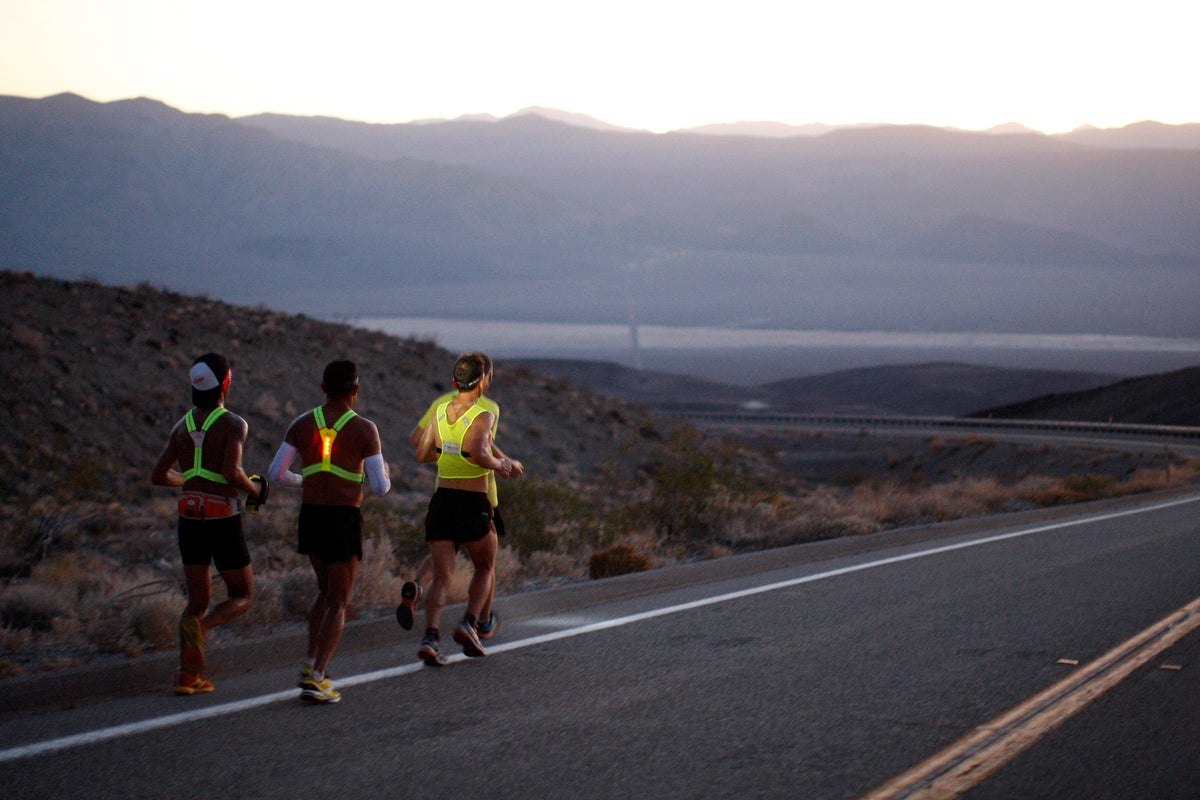
Most of the race is on Highway 9. For the first 10 miles, you’re on the shoulder or a partially closed road. It’s paved, which is nice for your ankles, but the camber of the road can be a bit much for some runners. Around mile 10, you transition to a paved path that parallels the road. This is where the views really start to pop. You'll pass through Rockville and Grafton, and if your legs aren't screaming, you might actually enjoy the scenery.
Weather is a Wildcard
Expect anything. Seriously. In 2019, it was 10°F at the start. In other years, it’s rained or even hailed. For February 28, 2026, the historical averages suggest a start temp around 33°F and a finish around 60°F. You’ll be freezing at the start line in Virgin at 6:00 AM, then stripping off layers by mile 5.
Logistics: The Part No One Likes
When you finish your Zion Half Marathon registration, you’ll get an email about shuttles. Read it. Twice.
There is zero parking at the start line in Virgin. You either have to be dropped off by a friend (between 5:00 AM and 6:00 AM) or take the race shuttles.
- Shuttle Hubs: Usually located in Springdale (near Cable Mountain Lodge) and La Verkin.
- The Wait: Shuttles start as early as 4:30 AM. Since the race doesn't start until 7:00 AM, you’ll be standing around in a field in Virgin for a long time.
- The Cup-Free Rule: This is a big deal. There are no paper cups at aid stations. If you don't bring a hydration pack or a handheld bottle, you’re going to be very thirsty. They sell reusable "hydrapouches" at the expo, but it’s better to train with what you’ll actually use.
Where to Stay (and Why it Matters)
Springdale is the most convenient place to stay because it’s where the race finishes. You can literally walk from the finish line to your hotel shower. The downside? It’s expensive. Like, "oouch" expensive.
If you want to save money, look at La Verkin or Hurricane. They’re about 20-25 minutes away. There are shuttle pickups in La Verkin, so you don't lose much on the logistics side, and you'll save enough on the hotel to pay for your post-race steak dinner.
Actionable Next Steps
If you’re ready to pull the trigger on Zion Half Marathon registration, here is exactly what you need to do right now:
- Check the Official Site: Go to the Vacation Races Zion page and verify the current price tier.
- Book Your Lodging Immediately: Springdale hotels fill up a year in advance. If you’re within six months of the race, your options are already thinning.
- Buy a Reusable Cup/Pack: Start training with it. Drinking from a collapsible cup while running is a skill you don't want to learn on race day.
- Plan Your Travel: If you're flying, St. George (SGU) is the closest (40 mins), but Las Vegas (LAS) is usually $200 cheaper and only a 2.5-hour drive.
- Train for Incline: Find a treadmill or a hill. Set it to a 1% or 2% grade and stay there. That’s the Zion experience.
Registration is just the beginning. The real work is making sure you actually show up to the start line with a hydration pack, a shuttle plan, and a set of lungs ready for the Utah elevation.