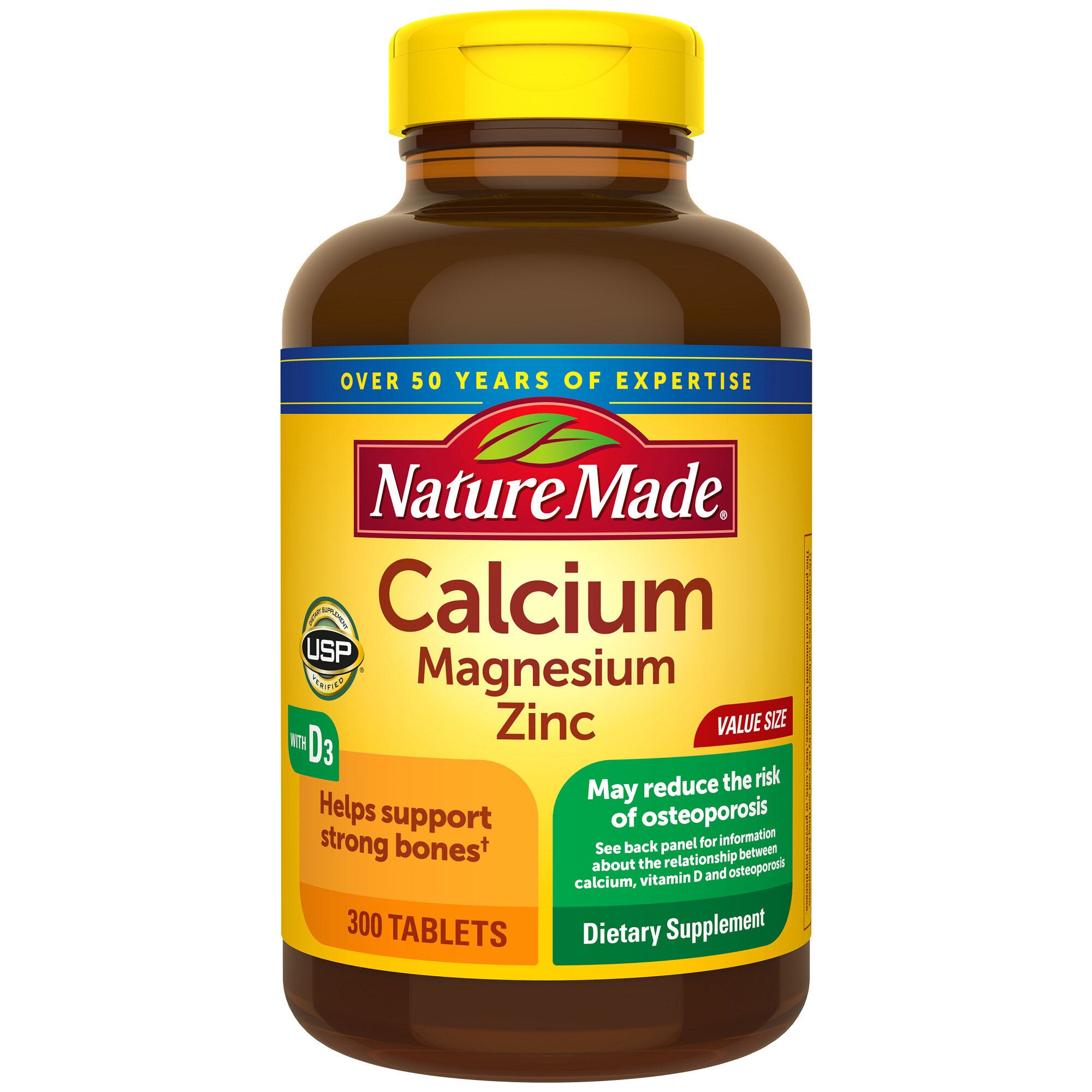
Honestly, most people treat zinc like a backup singer. It’s there in the background of your multivitamin, tucked away behind the flashy stars like Vitamin C or Vitamin D. But when you start looking at the actual cellular biology—how your body builds DNA and fights off that scratchy throat you woke up with—the benefits of taking zinc tablets suddenly feel a lot more like a lead performance.
Zinc isn't something your body just "makes." You have to eat it. Or swallow it. And since our modern soil is often depleted of minerals, many of us are walking around just slightly below the "optimal" line. It’s a trace mineral. That sounds small. It’s actually massive.
The Science of Not Getting Sick (As Often)
If you’ve ever felt a cold coming on and rushed to the pharmacy for those lozenges that taste like metallic cherries, you’re participating in a massive real-world experiment. The logic is sound. Zinc is essential for the development and function of immune cells, specifically neutrophils and natural killer cells. Without enough of it, your immune response basically lags. Think of it like a slow internet connection during a high-stakes video call. Everything just buffers.
A famous meta-analysis published in the Open Forum Infectious Diseases journal looked at several trials and found that zinc acetate lozenges could shorten the duration of the common cold by up to 40%. That is a huge margin. But there's a catch. You can't wait until you're three days into a fever to start popping them. Timing is everything. You have to hit it within 24 hours of the first symptom. If you miss that window, the virus has already set up camp, and the zinc is just shouting at a closed door.
It's not just about colds, though. For older adults, zinc is a heavy hitter for pneumonia prevention. Dr. Ananda Prasad, a pioneer in zinc research, spent decades showing how zinc deficiency leads to chronic inflammation. He basically discovered that zinc acts as an antioxidant and anti-inflammatory agent. It reduces "oxidative stress." That’s the fancy way of saying it stops your cells from rusting from the inside out.
The Acne and Skin Connection
You might’ve seen influencers talking about zinc for "glass skin." Is it hype? Sorta. But there's real dermatological weight behind it. Zinc suppresses oil production—technically called sebum—and has antimicrobial properties against Cutibacterium acnes.
If you're dealing with inflammatory acne—the red, painful kind—zinc tablets might actually do more than that expensive serum in your cabinet. Some studies suggest that oral zinc is nearly as effective as certain tetracycline antibiotics for clearing up skin, without the risk of antibiotic resistance. Plus, it helps with wound healing. If you find that every little papercut takes two weeks to disappear, your zinc levels might be in the basement.
What Most People Get Wrong About Dosage
More is not better. I cannot stress this enough.
The Recommended Dietary Allowance (RDA) is around 8mg for women and 11mg for men. If you’re taking a 50mg zinc tablet every single day for six months, you are going to run into trouble. Why? Because zinc and copper are like kids on a see-saw. When zinc goes way up, copper goes way down.
Copper deficiency is no joke. It can lead to neurological issues and anemia that won't respond to iron supplements. I’ve seen people try to "optimize" their health into a hospital visit because they didn't realize that minerals are about balance, not accumulation. If you’re taking high-dose zinc for more than a few weeks, you almost always need a tiny bit of copper to keep the see-saw level.
The "Empty Stomach" Problem
Here is a pro-tip: Never take a high-potency zinc tablet on an empty stomach unless you enjoy feeling like you’re about to vomit in a grocery store parking lot. Zinc is notorious for causing nausea. It’s an irritant to the gastric lining. Always, always take it with a meal.
Eye Health and the Long Game
Age-related macular degeneration (AMD) is the leading cause of vision loss as we get older. The landmark AREDS and AREDS2 studies (Age-Related Eye Disease Studies) found that a specific cocktail of antioxidants, which included a high dose of zinc, significantly reduced the risk of advanced AMD.
Does this mean a 25-year-old needs to take zinc for their eyes? Probably not. But for someone in their 60s with a family history of vision issues, the benefits of taking zinc tablets move from "maybe I won't catch a cold" to "maybe I can still drive in ten years." That’s a powerful shift in perspective.
Blood Sugar and Metabolic Health
There’s some fascinating emerging research regarding zinc and insulin. Zinc is actually stored in the same "packets" as insulin in the pancreas. It helps stabilize the insulin hexamer. Basically, it’s involved in how your body processes sugar. People with Type 2 diabetes often have lower serum zinc levels, though we’re still figuring out if the deficiency causes the metabolic issues or if the metabolic issues cause the body to dump zinc. Either way, keeping levels steady is smart for your metabolic health.
Choosing the Right Form
Walk down the supplement aisle and you'll see a dozen different names. Zinc Picolinate. Zinc Gluconate. Zinc Sulfate. Zinc Citrate. It’s confusing.
- Zinc Picolinate: Generally considered the most absorbable. Your body likes this one.
- Zinc Gluconate: Cheap and effective. This is what you usually find in cold lozenges.
- Zinc Sulfate: Can be a bit harsher on the stomach but used frequently in clinical trials.
- Zinc Oxide: Often used in sunscreens, but as a pill? It's not great. Absorption is pretty low.
If you’re going to spend money, go for the picolinate or a chelated version. You want the mineral to actually get into your bloodstream, not just pass through you.
The Plant-Based Hurdle
If you don't eat meat, you need to pay closer attention to zinc. While beans, nuts, and whole grains have zinc, they also have phytates. Phytates are "anti-nutrients" that bind to the zinc and prevent your body from soaking it up.
It’s an annoying biological trade-off. You’re eating healthy lentils, but the lentils are guarding their minerals. Vegetarians and vegans often need up to 50% more zinc than meat-eaters to compensate for this poor absorption. Soaking your beans or sprouting your grains helps break down those phytates, but a small-dose supplement is often a safer bet for maintaining levels.
Signs You Actually Need It
How do you know if you're low? It’s hard to test accurately because only about 1% of your body's zinc is in your blood. The rest is tucked away in your bones and muscles. But look for these "smoke signals":
- White spots on your fingernails (leukonychia).
- A weird loss of taste or smell (and it's not COVID).
- Hair thinning that doesn't seem tied to age or stress.
- Wounds that linger forever.
- Brain fog or a general "meh" feeling in your immune response.
Actionable Steps for Better Zinc Status
Don't just go buy the biggest bottle you can find. Start with the food first, then supplement smartly.
1. Prioritize Whole Food Sources Oysters are the undisputed kings—one oyster has more than 5mg of zinc. If you aren't an oyster fan, look at beef, pumpkin seeds (pepitas), and cashews. Dark chocolate even has a little, which is a nice excuse to have a square after dinner.
2. Check Your Current Multivitamin Most "One-A-Day" style vitamins already have 11mg to 15mg of zinc. If you add a 50mg zinc tablet on top of that, you’re pushing into the danger zone of copper depletion. Read the labels.
3. Use Lozenges for Acute Illness If you feel a cold coming on, skip the swallowable tablets and use zinc gluconate or acetate lozenges. The goal is for the zinc to sit in your throat and physically interfere with the virus's ability to replicate.
4. Limit Your "High Dose" Phases If you decide to take a higher dose (25mg+) to clear up acne or recover from a deficiency, do it for 3 months, then drop back down to a maintenance dose or take a break.
5. Watch the Timing Avoid taking zinc at the exact same time as calcium or iron supplements. These minerals all use the same "doors" to get into your system, and they will fight each other. Zinc usually loses that fight. Take your zinc at lunch and your other minerals at dinner.
Zinc isn't a miracle. It won't make you immortal, and it won't prevent every germ from entering your life. But as a fundamental building block for over 300 enzymes in your body, keeping your levels optimized is one of the lowest-effort, highest-reward things you can do for your long-term health. Just keep an eye on that copper balance and never, ever take it on an empty stomach. Seriously. You’ve been warned.