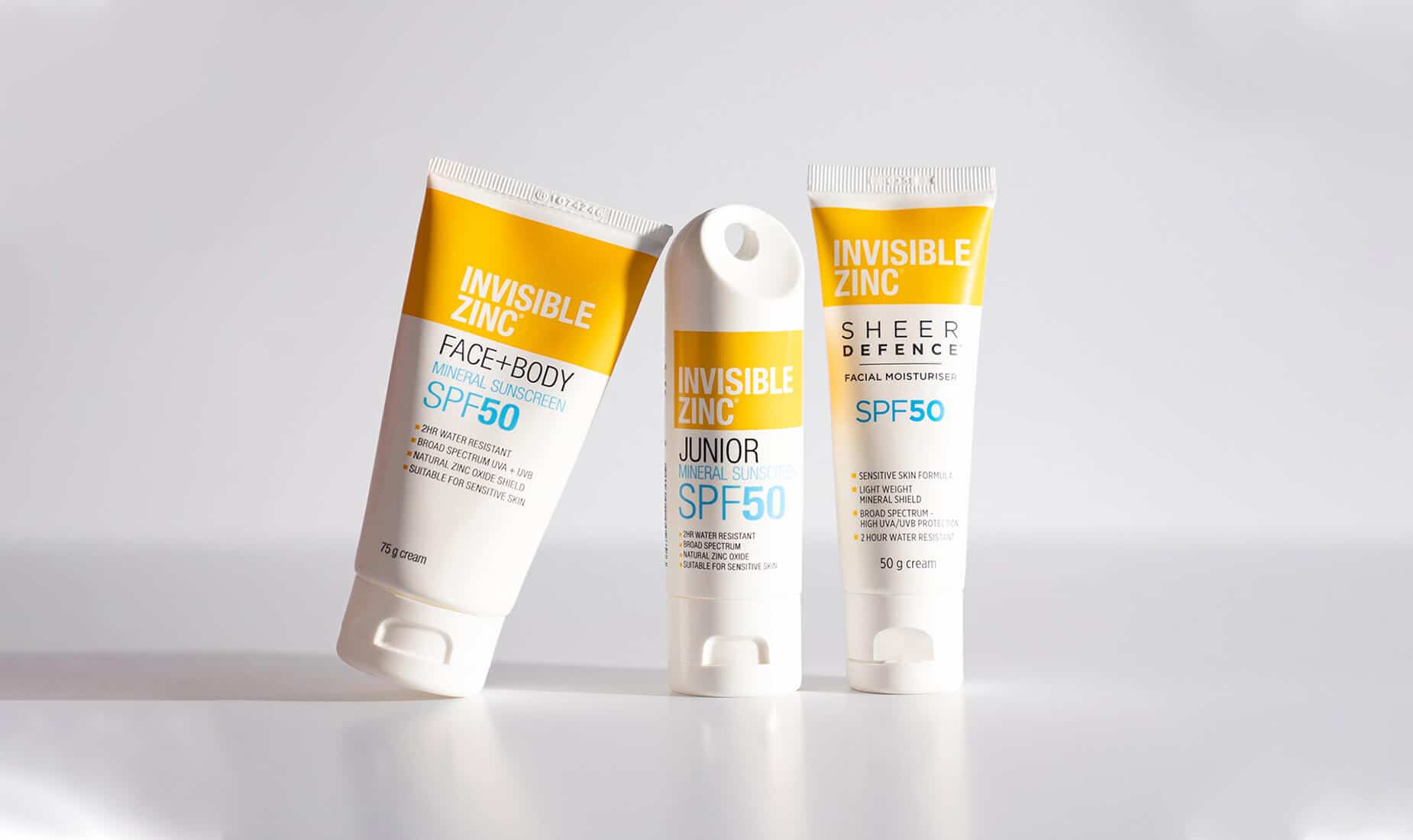
White streaks. We’ve all been there. You slather on a thick mineral cream and suddenly you look like a Victorian ghost or a lifeguard from a 1980s B-movie. It sucks. For decades, that was the trade-off if you wanted to avoid chemical filters like oxybenzone or avobenzone. But then technology stepped in.
Zinc oxide nanoparticles sunscreen changed the math. By shrinking the particles of zinc down to a size measured in billionths of a meter, scientists figured out how to make that white cast vanish. It’s basically invisible now. But as soon as the word "nano" started appearing on labels, the internet went into a tailspin. People started worrying about these tiny particles soaking into their bloodstream or killing coral reefs. For an alternative perspective, check out: this related article.
Honestly? The reality is way more nuanced than the "natural is better" or "science is scary" headlines suggest.
The Invisible Shield: Why Nanoparticles Matter
When we talk about zinc oxide nanoparticles sunscreen, we’re talking about particles usually smaller than 100 nanometers. To give you some perspective, a human hair is about 80,000 to 100,000 nanometers wide. Tiny. Really tiny. Related insight regarding this has been published by Mayo Clinic.
Standard, non-nano zinc sits on top of the skin like a layer of paint. It reflects UV rays. Nanoparticles, however, work slightly differently. While they still reflect some light, they actually absorb a massive amount of UV radiation and convert it into harmless heat. Because the particles are so small, they don't scatter visible light. That is why the cream looks clear on your skin.
It’s a game changer for people with deeper skin tones. For years, mineral sunscreens were basically unusable for anyone who wasn't pale. Nanotechnology made sun protection inclusive. But is there a cost?
Can It Actually Get Into Your Blood?
This is the big one. Everyone wants to know if these microscopic bits of metal are migrating from their forehead into their liver.
The short answer is: probably not.
Numerous studies, including a major 2020 study published in the Journal of the American Academy of Dermatology, have looked at this. The researchers found that even when skin is compromised—think a mild sunburn or a scratch—zinc oxide nanoparticles stay in the outer layer of the skin, the stratum corneum. They don’t seem to penetrate the viable dermis where your blood vessels live. Your skin is a remarkably good barrier. It’s literally designed to keep stuff out.
However, there is a caveat. Inhalation is a totally different story.
If you’re using a spray-on zinc oxide nanoparticles sunscreen, you might have a problem. When you inhale these particles, they can get deep into the lung tissue. The lungs don't have the same "keep out" sign that your skin does. This is why groups like the Environmental Working Group (EWG) generally give high marks to nano-zinc lotions but warn people to stay away from the powders and sprays.
The Coral Reef Conflict
You’ve probably seen the "Reef Safe" stickers. Hawaii and several other island nations have banned certain chemical sunscreens like oxybenzone because they bleach coral.
Is nano-zinc any better?
It’s complicated.
While mineral sunscreens are generally considered "safer" than chemical ones, "nano" versions have come under fire. Some research suggests that extremely small nanoparticles can be ingested by marine life like mussels and sea urchins. A study from the University of California, Santa Barbara found that even small concentrations of certain metal oxide nanoparticles could stress out phytoplankton.
But here is the catch: most high-end zinc oxide nanoparticles sunscreen brands coat their particles. They use things like silica or dimethicone to wrap the zinc. This coating makes the particles less reactive in the water. So, if you're headed to the Great Barrier Reef, "non-nano" is still the gold standard for eco-purists, but "coated nano" is a massive step up from the chemical stuff that’s currently wreaking havoc on the ocean floor.
Why "Non-Nano" is Often a Marketing Myth
Here’s a secret the beauty industry doesn't like to talk about: a lot of "non-nano" sunscreens actually contain nanoparticles.
Particle size isn't uniform. It's a distribution. If a company says their zinc is non-nano, they usually mean the average size is above 100 nanometers. But in that same batch, there are inevitably smaller particles.
Unless a brand is incredibly transparent about their lab testing, the "non-nano" label is often just a way to charge you five dollars more. If the sunscreen is totally transparent on your skin, there's a 99% chance it contains some nanoparticles. Physics doesn't lie. Large particles scatter light. If it doesn't scatter light, the particles are small. Simple as that.
Protection Levels: UVA vs. UVB
Zinc oxide is the heavyweight champion of UV filters.
Most chemical filters are great at blocking UVB (the stuff that burns you) but struggle with UVA (the stuff that ages you and causes long-term DNA damage). Zinc oxide is "broad spectrum" in the truest sense. It covers almost the entire UV spectrum.
When you use a zinc oxide nanoparticles sunscreen, you’re getting world-class UVA protection without the greasy, stinging sensation of chemical filters like avobenzone. If you’ve ever had your eyes sting like crazy after sweating at the beach, that’s the chemicals. Zinc doesn’t do that. It’s inert. It just sits there and does its job.
What to Look for on the Label
Don't just grab the first bottle you see. If you want the best performance, you have to be a bit of a detective.
- Percentage Matters: You want at least 15% to 20% zinc oxide. If it's the only active ingredient and the percentage is low, you probably aren't getting the SPF listed on the front.
- Check for "Coated" Zinc: Look for ingredients like triethoxycaprylylsilane or silica in the inactive list. These coatings help the zinc spread evenly and make it more stable.
- The Tint Trick: Even with nano-zinc, some people still see a tiny bit of blue-ish tint. Look for "tinted" versions. These usually use iron oxides (which also protect against blue light from your phone, by the way) to blend the zinc perfectly into your skin tone.
- Fragrance-Free: Zinc is great for sensitive skin, but many brands ruin it by adding synthetic perfumes. If you have eczema or rosacea, go fragrance-free.
The Verdict on Daily Use
Is zinc oxide nanoparticles sunscreen the "perfect" product?
No. Nothing is.
But if we are weighing the risks, the evidence is pretty clear. The risk of skin cancer from UV exposure is massive and documented. The risk of nanoparticles penetrating healthy skin and causing systemic harm is, based on current peer-reviewed data, extremely low to non-existent.
If you have very dark skin and want a mineral option, nano is your only real choice. If you have extremely sensitive skin and hate the "sting" of drugstore sunscreens, nano-zinc is a godsend.
Action Steps for Your Next Purchase
Stop overthinking the "nano" part and focus on the application. Most people use about a quarter of the sunscreen they actually need.
- Skip the Sprays: Use a lotion. It’s better for your lungs and gives you much more even coverage.
- The Two-Finger Rule: Squeeze two lines of sunscreen along your index and middle fingers. That is the amount you need just for your face and neck.
- Apply Before You Go Out: Even though mineral sunscreen works instantly (unlike chemicals which need 20 minutes), it needs a moment to "set" on the skin so it doesn't rub off on your clothes.
- Reapply Every Two Hours: This is the part everyone ignores. Sweat and oil break down the film of the sunscreen. If you’re outside, you have to re-up.
- Wash it Off Properly: Zinc is "sticky." A regular splash of water won't get it off at the end of the day. Use an oil-based cleanser or a dedicated makeup remover to prevent clogged pores.
The technology isn't perfect, and the environmental impact is still being studied, but in the fight against sun damage, nano-zinc is currently the most effective, most wearable tool we have. Use it. Just don't breathe it in.