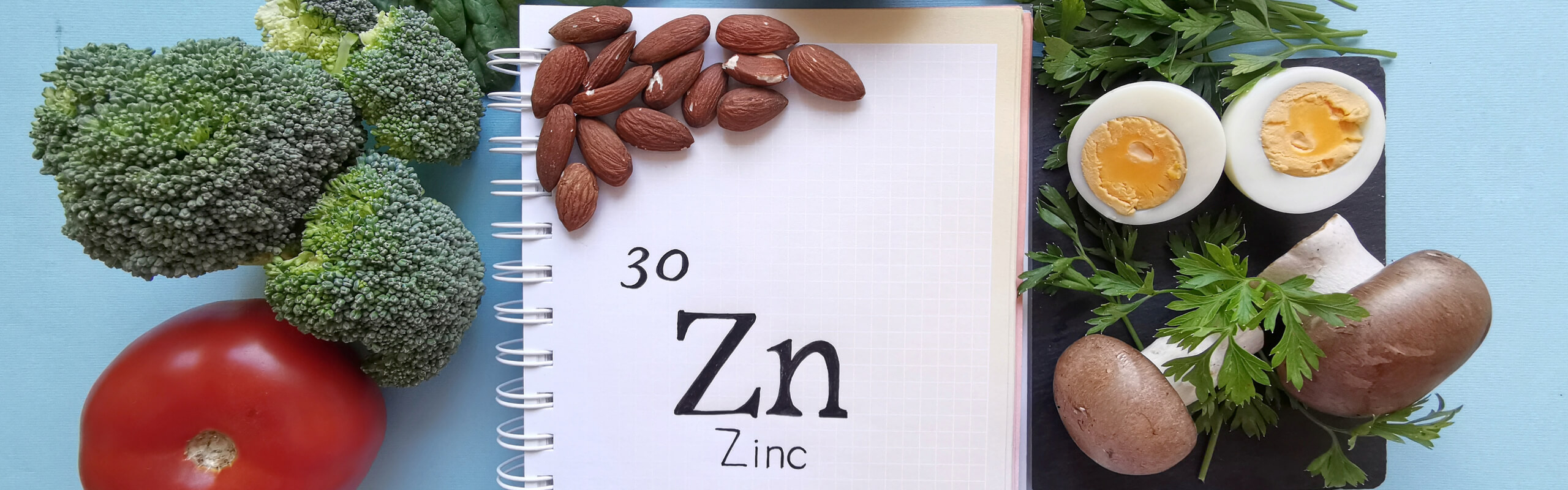
You've probably seen the lozenges. They're everywhere the second someone in the office sneezes. But honestly, most people treat zinc like a lucky charm rather than the biological heavy-hitter it actually is. It's not just some mineral you take when you're already sick. It's a fundamental gatekeeper. Without it, your immune system basically forgets how to do its job.
Zinc is the second most abundant trace mineral in your body. It’s involved in over 300 enzymatic reactions. That’s a lot of responsibility for a metal you mostly associate with sunscreen or galvanized buckets.
When we talk about zinc and the immune system, we’re talking about a relationship that is incredibly intimate. Your body doesn't store zinc. You can’t just "top off" and hope it lasts for a month. You need a steady stream of it to keep your white blood cells—the infantry of your body—from falling apart at the seams.
The Science of How Zinc Actually Works
Let’s get into the weeds for a second. Your immune system is split into two main camps: the innate system and the adaptive system. The innate system is your "shoot first, ask questions later" response. It’s the inflammation, the fever, the immediate wall of defense. The adaptive system is the "special ops" team that remembers specific pathogens so you don't get the same thing twice.
Zinc is the bridge.
According to research published in Nutrients by Dr. Ananda Prasad—who basically discovered human zinc deficiency in the 1960s—zinc is required for the development and function of neutrophils and natural killer cells. If you’re low on zinc, these cells become sluggish. They’re like soldiers trying to fight in waist-deep mud.
Then there's the thymus. This is a small gland in your chest where T-cells go to "college" to learn how to identify enemies. Zinc is a co-factor for thymulin, a hormone required for T-cell maturation. No zinc? No graduation. You end up with a bunch of untrained immune cells wandering around your bloodstream, which is exactly how people end up with chronic, nagging infections that just won't quit.
It's kinda wild when you think about it. A tiny atom of metal determines whether your body can recognize a virus or if it just lets the door stand wide open.
The "Window of Opportunity" Myth
We’ve all heard that you have to take zinc within 24 hours of feeling a tickle in your throat. Is that true? Well, mostly. A meta-analysis in the Open Forum Infectious Diseases journal looked at several trials and found that zinc acetate lozenges could shorten the duration of the common cold by about 33%.
But here’s the kicker: it’s not just about the timing. It’s about the delivery.
Most people swallow a zinc pill and call it a day. But for a cold, you want the zinc ions to hang out in your pharyngeal region—your throat. That’s why lozenges work better for acute symptoms. They physically block viruses from latching onto the ICAM-1 receptors in your nasal and throat lining. It’s a mechanical defense as much as a chemical one.
Why Most People Are Getting Their Zinc Wrong
You can’t just eat a steak and assume you’re invincible. Biology is rarely that simple.
Absorption is the real bottleneck. Phytates—compounds found in whole grains, legumes, and seeds—love to bind to zinc. They’re like magnets. If you’re eating a high-fiber, plant-based diet, those phytates might be "stealing" the zinc before your gut can absorb it. This is why many vegetarians and vegans struggle with zinc levels even if they’re technically eating "enough" on paper.
And then there's the copper balance.
This is the big mistake people make when they start megadosing zinc. Zinc and copper are roommates who hate each other. They compete for the same transport protein in your intestines. If you flood your system with zinc for weeks on end, you will eventually drive your copper levels into the basement. This leads to anemia and, ironically, a weakened immune system.
Honestly, it’s a delicate dance. You want enough to stay sharp, but not so much that you throw your entire mineral profile out of whack.
What Real Zinc Deficiency Looks Like
It’s not always obvious. You don't just wake up with a "zinc-shaped" rash. Instead, it’s subtle.
- Your papercuts take two weeks to heal instead of five days.
- You notice your sense of taste or smell is a bit dull.
- Your hair seems thinner than it was last year.
- You’re getting those little white spots on your fingernails (leukonychia).
- You catch every single bug that goes around the daycare or the office.
The World Health Organization estimates that roughly one-third of the global population is deficient. In developed nations, we usually see "subclinical" deficiency. You aren't dying, but you certainly aren't thriving. It’s that middle ground where your zinc and immune system connection is frayed, leaving you vulnerable to every seasonal pivot.
The Best Sources (Beyond the Supplement Aisle)
If you want to boost your levels naturally, oysters are the undisputed kings. They have more zinc per serving than any other food. But let's be real—most of us aren't knocking back a dozen raw oysters on a Tuesday night.
- Red meat (Beef and lamb are incredibly bioavailable).
- Pumpkin seeds (Pepitas). Great, but remember the phytate issue; soaking them helps.
- Chickpeas and lentils.
- Cashews.
- Dark chocolate (Yes, really, but stick to 70% cocoa or higher).
If you do go the supplement route, look for zinc picolinate or zinc gluconate. They tend to be easier on the stomach. Zinc sulfate is cheap, but it’s notorious for causing nausea. Nobody wants to trade a cold for a stomach ache.
The "Too Much" Danger Zone
There is such a thing as too much of a good thing. The Upper Tolerable Limit (UL) for adults is generally 40mg per day. If you’re taking 100mg a day because you’re scared of a flu, you’re playing with fire. High doses can interfere with iron absorption and, as mentioned, wreck your copper levels.
Also, watch out for zinc nasal sprays. A few years back, the FDA warned against them because they were literally killing people's sense of smell (anosmia) permanently. Stick to the oral stuff.
Practical Steps to Optimize Your Zinc Levels
Stop overcomplicating it. You don't need a 12-step protocol. You just need a strategy that respects how your body actually processes minerals.
First, check your multivitamin. Most have about 10-15mg of zinc. That’s a solid baseline. If you’re feeling run down, you might bump that up, but keep an eye on the total.
Second, think about your meals. If you’re having a high-phytate meal like a big bowl of oatmeal or beans, don't take your zinc supplement at the same time. Space it out. Give the zinc a clear path to your bloodstream.
Third, look at your lifestyle. Alcohol is a massive zinc-drainer. It increases the amount of zinc you excrete through your urine. If you’re a heavy hitter on the weekends, your immune system is likely paying the price in mineral depletion.
Finally, if you’re using lozenges, don't chew them. Let them dissolve slowly. You want that "ionic" effect in the back of your throat where the viruses like to hang out and replicate.
Actionable Insights for Right Now
- Check your labels. If you see "Zinc Oxide," know that it's the least absorbable form. It’s basically rock dust. Switch to a chelated form like picolinate or bisglycinate for better results.
- The 15mg Rule. For daily maintenance, 11-15mg is the sweet spot for most adults. Only go higher (30-50mg) for short bursts of 5-7 days when you're actively fighting something.
- Pair it with Quercetin. Think of zinc as the bullet and quercetin as the gun. Quercetin is an ionophore; it helps transport zinc across the fatty cell membrane so it can actually get inside the cell and stop viral replication. You can find quercetin in red onions, apples, and capers.
- Don't ignore the copper. If you plan on taking more than 30mg of zinc daily for longer than a month, find a supplement that includes a tiny bit of copper (usually a 15:1 ratio) to keep your levels balanced.
- Test, don't guess. If you're constantly sick, ask your doctor for a "Plasma Zinc" test. It’s not a perfect test because most of your zinc is stored inside cells, but it’s a good starting point to see if you’re running on empty.
Zinc isn't a miracle cure, but it is a biological requirement. Treating your immune system like a high-performance engine means giving it the specific fuel it needs. When it comes to zinc and the immune system, the best defense is a consistent, well-absorbed offense.