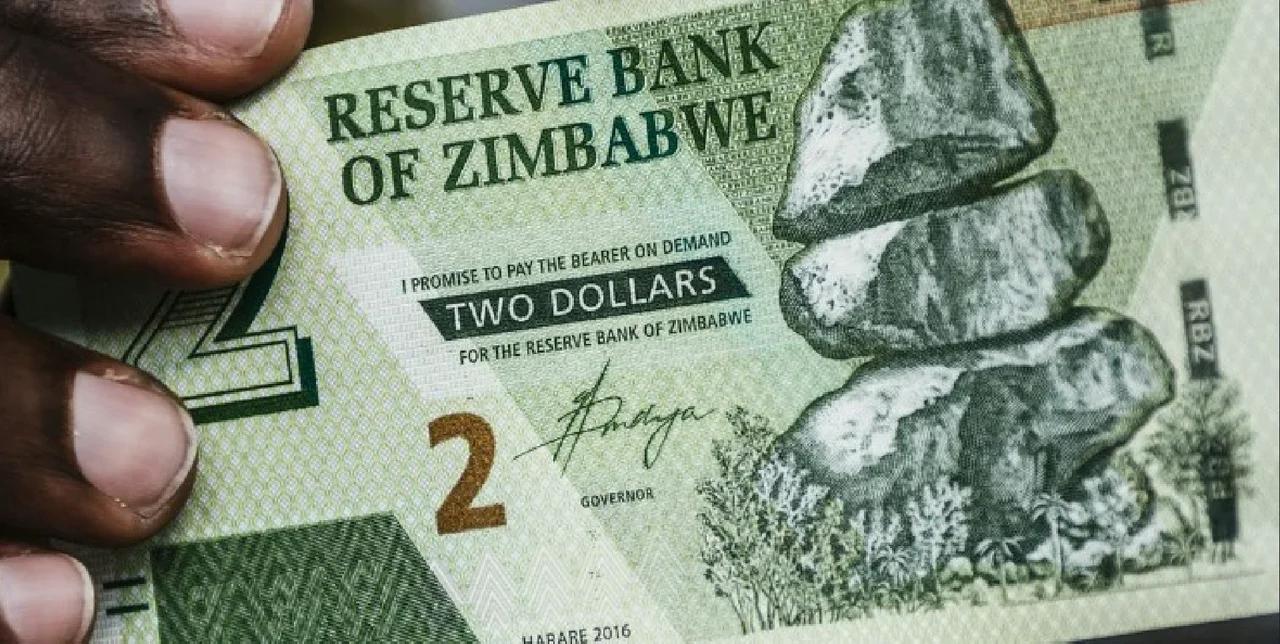
If you are looking for the old Zimbabwean Dollar to USD exchange rate, I have some news. That currency is gone. Dead. Buried under the weight of more zeros than a calculator could handle. Honestly, keeping track of Zimbabwe's money feels like trying to catch a ghost. In April 2024, the government finally pulled the plug on the old ZWL and brought in something they called the ZiG—short for Zimbabwe Gold.
Fast forward to January 2026, and the landscape looks radically different. We aren't talking about trillion-dollar notes anymore. Instead, the conversation is about gold reserves, interbank mid-rates, and a central bank trying desperately to win back a public that has been burned too many times. If you enjoyed this piece, you should look at: this related article.
What is the current rate?
Right now, as of mid-January 2026, the official interbank rate for the ZiG to USD is hovering around 25.62.
You've probably noticed that's a far cry from the "30,000 to 1" madness we saw a few years back. But numbers on a screen only tell half the story. While the Reserve Bank of Zimbabwe (RBZ) reports an average bid/ask spread of roughly 25.03 to 26.57, the street is a different beast. In the tuck shops of Harare or the streets of Bulawayo, the parallel market usually demands a premium. For another angle on this event, check out the recent update from MarketWatch.
Back in late 2024, the ZiG took a massive 42.5% hit in a single day. People panicked. They thought it was "here we go again." But through 2025, things weirdly... stabilized? Not perfectly, of course. But the wild swings that used to happen every Tuesday have slowed down.
The move from ZWL to ZiG
Why did they change it again? Basically, the old Zimbabwean Dollar (ZWL) became a joke. By April 2024, the official rate was north of 30,000 per US dollar. The black market was even worse, topping 40,000. People were literally dumping the currency as soon as they got it.
The ZiG was launched as a "structured currency." It is backed by actual physical assets. I'm talking about:
- Physical gold bullion.
- Other precious metals like diamonds and lithium.
- Foreign currency reserves (USD).
Governor John Mushayavanhu has been on a mission. He recently noted that foreign reserves hit $1.1 billion in December 2025. That covers about 1.2 months of imports. It’s not a lot, but compared to the $276 million they had in early 2024, it’s a massive jump.
The government's goal? A "mono-currency" system by 2030. They want to kick the US dollar out of local shops entirely. But let's be real—the USD is still king. About 60-70% of transactions are still happening in greenbacks because, frankly, you can’t trust a gold-backed digital token to buy bread if the power goes out or the system crashes.
Why the ZiG is different (Sorta)
Unlike the previous five attempts at a national currency, the ZiG is tied to the price of gold. If gold goes up, the ZiG should, in theory, hold its value.
In late 2025, gold prices were surging toward $4,500 an ounce. This helped the RBZ maintain that 25-26 range against the USD. But there’s a catch. If the government starts printing ZiG to pay for grain imports or infrastructure without increasing the gold in the vault, the whole thing collapses.
The inflation reality
Inflation in ZiG terms was scary in late 2024—hitting over 30% in a single month. But by early 2025, the central bank tightened the screws. They hiked interest rates and restricted the money supply. By February 2025, monthly inflation dropped to 0.5%.
It’s a balancing act. If they keep it too tight, there's no money in the economy to spend. If they loosen it, the exchange rate shoots up.
Practical steps for 2026
If you are dealing with Zimbabwean currency today, you have to be smart. Don't just look at the RBZ website and assume that's the price you'll get at a bureau de change.
- Check the Interbank Rate Daily: The RBZ publishes daily mid-rates. Use these as your baseline, but expect to pay 5-10% more in fees or spreads at commercial banks.
- Understand the 2030 Goal: The government is pushing hard to phase out USD. If you're a business owner, you need to start pricing in ZiG, but keep your USD reserves for imports.
- Watch Gold Prices: Since the ZiG is gold-backed, any major crash in the global gold market will hit the Zimbabwean exchange rate directly.
- Stay Liquid: Zimbabwe's history is full of "overnight" currency changes. Never keep more local currency than you need for immediate expenses.
The transition is far from over. While the ZiG hasn't folded as fast as its predecessors, the memory of 2008—when a 100 trillion dollar note couldn't buy a bus ticket—is still very fresh in everyone's mind. The "real" exchange rate will always be what you can actually get for your money on the street, not what a spreadsheet says.