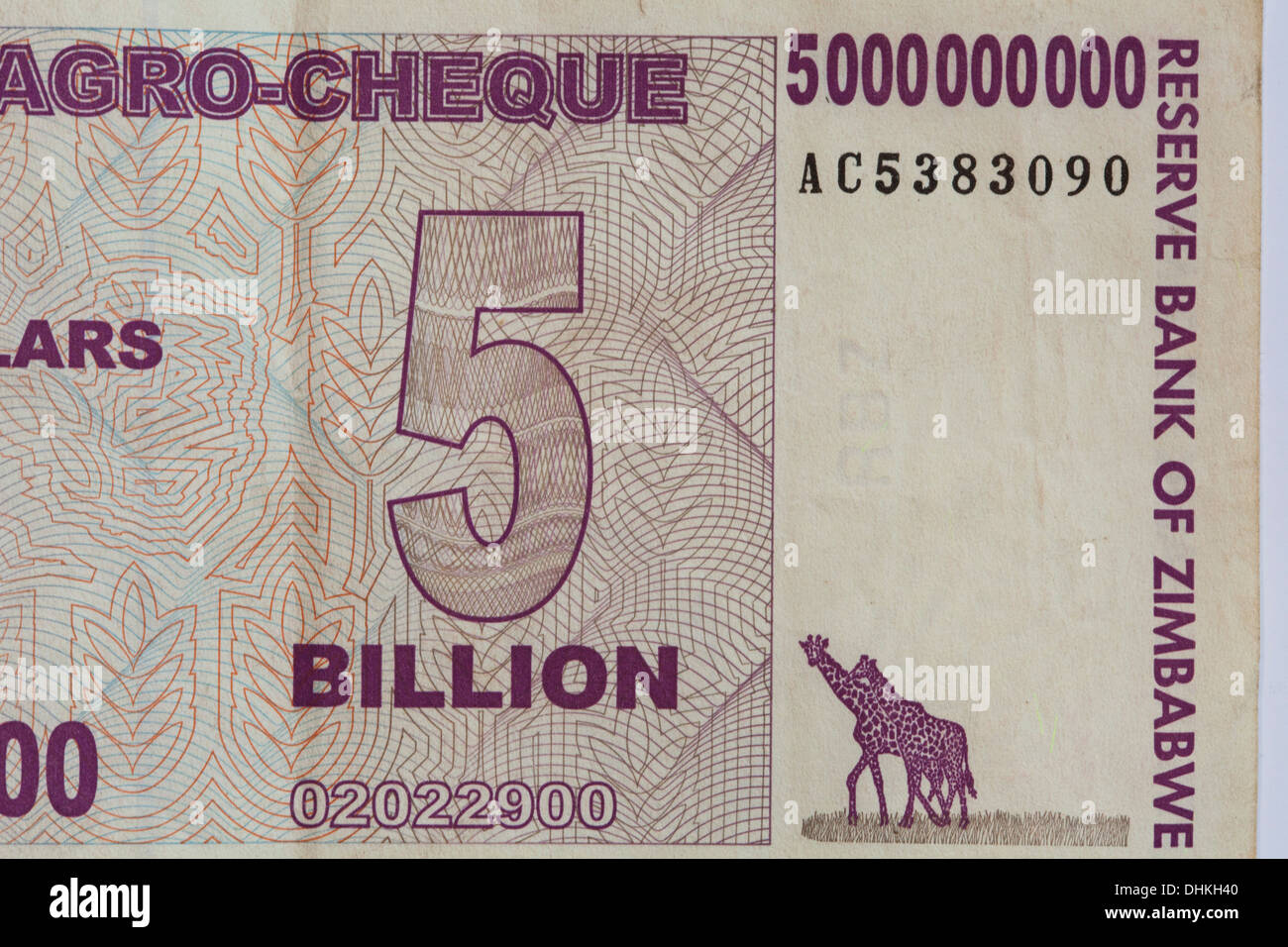
So, you’re trying to figure out the math on Zimbabwe money to USD. Honestly, it’s a bit of a trip. If you haven't looked at a map of the Zimbabwean economy lately, you might still be thinking about those trillion-dollar notes from 2008. Or maybe you heard about the Bond Note. Or the RTGS.
Forget all that. It’s 2026, and the game has changed again. For a closer look into this area, we suggest: this related article.
The current player on the field is the Zimbabwe Gold, or the ZiG (officially coded as ZWG). It’s backed by gold and foreign currency reserves, which was supposed to be the "silver bullet" for the country's historic inflation issues. But as anyone on the streets of Harare will tell you, the "official" rate and the rate you actually get at a tuck shop are two very different things.
The Reality of Zimbabwe Money to USD Today
Right now, if you look at the Reserve Bank of Zimbabwe (RBZ) dashboard, you’ll see an official interbank rate hovering somewhere around 25.60 ZiG to 1 USD. For further details on this development, in-depth reporting is available at Forbes.
That looks stable on paper.
But here’s the kicker: the informal market—what locals call the "parallel market"—is a different beast. Even with the government's "Back to Basics" strategy for 2026, the gap persists. You’ve got businesses that are legally required to price in ZiG but desperately want USD to restock their shelves. This creates a friction that numbers on a screen can't quite capture.
Why the Rates Don't Always Match
It's about trust. Plain and simple. Zimbabweans have seen their savings evaporate more times than they care to count. When the ZiG launched in April 2024 at about 13.56 to the dollar, there was hope. Then came a massive 42% devaluation in late 2024. By early 2026, the currency has found a sort of shaky floor, but the ghost of hyperinflation still haunts every transaction.
Most people aren't using the official rate for daily life. If you’re a tourist or a business traveler, you’ll find that while 80% of the economy was USD-driven a couple of years ago, the government is pushing hard for a "mono-currency" system. They want everyone using ZiG. But for now, the USD is still king for anything high-value, like cars, rent, or electronics.
Converting Your Cash: A Practical View
If you have 100 ZiG in your pocket, don't expect to walk into a bank and get $3.90 USD back instantly. It doesn't really work like that for the average person.
- The Official Interbank Rate: Used for taxes, government services, and large-scale formal retail. Currently roughly 1 USD = 25.60 ZWG.
- The Street Rate: This is where things get "kinda" messy. Depending on the city and the demand, you might see rates closer to 35 or 40 ZiG to the dollar in the informal sector.
- The Gold Coin Factor: The RBZ sells gold coins (Mosi-oa-Tunya) as an alternative store of value. These are priced in USD but can be bought in local currency at a specific "gold-linked" rate.
What Most People Miss About the ZiG
Most folks think "gold-backed" means you can go to the bank and swap your paper bills for a nugget of gold. That’s not it.
The backing is a "reserve" system. The central bank holds physical gold and USD in a vault to prove the currency has value. As of early 2026, the RBZ claims to have bolstered these reserves significantly, but the market is still "wait and see." If the money supply grows too fast—meaning the government prints too much ZiG to pay its bills—the gold backing becomes a thin layer of paint on a crumbling wall.
The "Conditions Precedent" the RBZ keeps talking about for 2026 are basically a checklist:
- Keep inflation under 20%.
- Maintain enough gold to cover every ZiG in circulation.
- Make sure banks actually have enough USD to swap when people ask.
Travel Tips: Handling Money in Zimbabwe
If you're heading to Victoria Falls or Harare, bring small USD bills. Seriously.
Five-dollar and one-dollar bills are like gold. Change is a nightmare in Zimbabwe. If you buy a soda for $1.50 with a $5 bill, you might get your change in ZiG, or worse, "change vouchers" or even pieces of candy. It's a quirk of a multi-currency system that hasn't quite figured out the "small change" problem yet.
Don't rely on ATMs to give you USD. Most will spit out ZiG, and the fees can be aggressive. Use international transfer services like Western Union or Mukuru if you need to send money to yourself or someone else; they are the lifelines of the local economy.
Actionable Steps for Dealing with Zimbabwe Currency
- Check the RBZ Website Daily: If you are doing formal business, the daily mid-rate is your legal North Star.
- Pay Taxes in ZiG: If you're a business owner, the government often requires a 50/50 split or even higher for tax payments. It’s actually cheaper to pay in ZiG if you can get it at the official rate.
- Avoid Street Changers: It’s tempting to get a "better" rate on a street corner, but it’s illegal and risky. "Moneylenders" are a common sight, but the police crack down on this regularly.
- Use Swipe/Mobile Money: Zimbabwe is incredibly advanced in digital payments. Apps like EcoCash or your local bank's "swipe" machine are everywhere. You don't need to carry heaps of cash.
The story of Zimbabwe money to USD isn't just about a conversion rate. It's about a country trying to rebuild its reputation one gram of gold at a time. Whether the ZiG survives another three years depends entirely on whether the Reserve Bank can keep its hands off the printing press and its eyes on the gold vaults.