Everything felt different when the ZiG arrived in April 2024. Most people in Harare had spent years hauling around literal bricks of worthless paper, so a "gold-backed" currency sounded like a dream. Or a prank. It's been a wild ride since then. If you're looking at the zimbabwe currency to dollar rate today, you aren't just looking at a number; you're looking at a survival strategy for an entire nation.
Honestly, the math is enough to make your head spin. As of mid-January 2026, the official interbank rate for the Zimbabwe Gold (ZWG) sits somewhere around 25.60 ZiG per US Dollar. But if you've spent ten minutes on the streets of Bulawayo, you know that number is only half the story. The parallel market—what we used to call the "black market" before it just became "the market"—often tells a much grittier tale. Also making headlines in this space: The Meat King in the Middle.
Why the ZiG actually matters right now
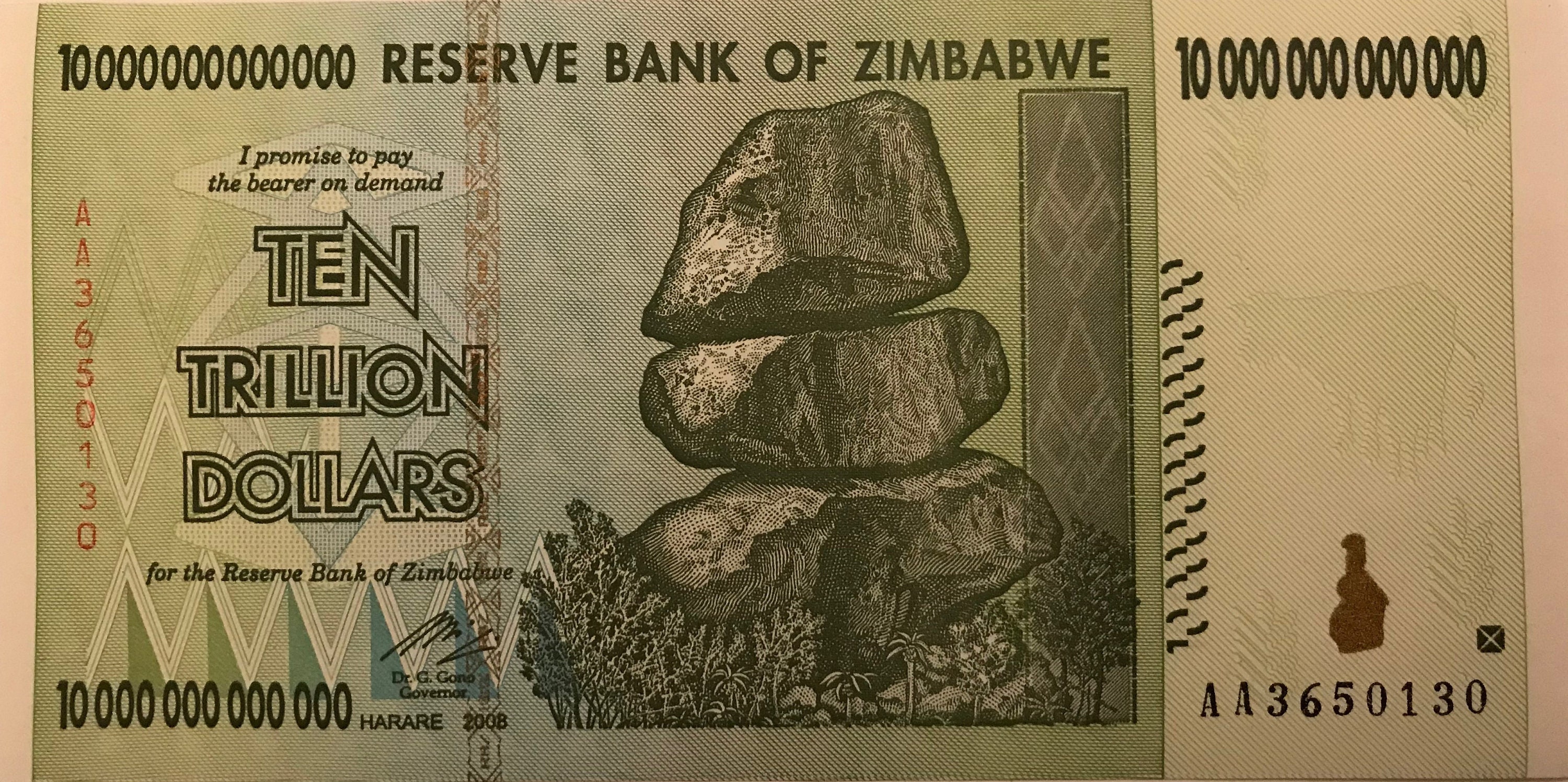
Zimbabwe has been the world's laboratory for what not to do with money. We've seen the 100-trillion-dollar notes. We've seen the bond notes. We've seen the RTGS dollar. So, when Governor John Mushayavanhu stood up and announced a currency backed by 2.5 tons of actual gold, people were skeptical. You've probably heard that trust is the only thing that gives money value. Well, trust is in short supply in Zimbabwe.
The government is currently trying to force a "mono-currency" system by 2026. They want the ZiG to be the only game in town. Right now, it handles about 40% of transactions. The rest? Still dominated by the greenback. The US dollar is the king because it doesn't lose half its value while you're standing in the checkout line. Additional insights on this are detailed by Investopedia.
Breaking down the zimbabwe currency to dollar numbers
Let's look at the actual performance because the volatility is breathtaking. When the ZiG launched, it was trading at about 13.56 to the dollar. By September 2024, the central bank had to swallow a massive 42% devaluation just to keep up with reality.
Today, the rates look something like this:
- Official Rate: ~25.62 ZWG per 1 USD
- Street Rate: Highly variable, but historically 50% to 100% higher than official quotes.
- Gold Price Influence: Since the currency is "backed" by gold, the rising price of bullion (hitting around $4,500 an ounce in early 2026) has actually helped the Reserve Bank of Zimbabwe (RBZ) bolster its reserves to over $1.1 billion.
Is it working? Kinda. Inflation has slowed down compared to the nightmare of 2023, but "slower" still means prices are creeping up. The IMF recently pointed out that while the ZiG is more stable than its predecessor, the "Zimdollar," the whole setup is still pretty fragile.
The Street Reality vs. The Official Quote
You can't talk about the zimbabwe currency to dollar rate without mentioning the "burn." That’s the local term for the rapid loss of purchasing power. Even with gold in the vaults, many businesses still price their goods in USD and then convert to ZiG at a "convenience rate" that makes your eyes water.
If you're a tourist or an investor, the official exchange rate is mostly a polite suggestion. Most hotels and formal retailers will accept ZiG at the bank rate, but the guy selling airtime or tomatoes definitely won't. This dual-pricing system is the heartbeat of the Zimbabwean economy. It’s messy. It’s frustrating. But it’s how people survive.
The 2026 Strategy: Going "Back to Basics"
The Reserve Bank is currently pushing a "Back to Basics" strategy for 2026-2030. They’re buying up gold like crazy—aiming for reserves that cover six months of imports. They want to convince you that the ZiG is as good as gold. Literally.
But there’s a catch. The government still spends more than it makes. When there's a budget deficit, the temptation to print more ZiG is always there. And as we've learned the hard way, you can't print your way to prosperity, even if you label the paper "Gold."
Surprising Details You Won't Find in a Bank Brochure
One thing people get wrong is thinking the ZiG is just another "Zimdollar." It’s actually structured differently. It’s a "structured currency." This means the money supply is supposed to be strictly linked to the value of the gold and foreign exchange held in the vaults.
- The 200-ZiG Note Mystery: For a long time, the central bank was scared to release the high-denomination notes (the 50s, 100s, and 200s) because they thought it would fuel inflation. They eventually trickled out, but the 20-ZiG note remains the workhorse of the economy.
- The Royalties Rule: Mining companies in Zimbabwe have to pay half their royalties in actual gold. This is how the bank is building that $1.1 billion war chest you keep hearing about.
- The "Mono-Currency" Threat: There is constant chatter about banning the US dollar for local transactions again. Every time this rumor spikes, the ZiG value on the street takes a hit as people scramble to hoard USD.
Practical Steps for Handling Zimbabwean Currency
If you are dealing with zimbabwe currency to dollar conversions right now, don't just trust the first converter you find on Google. Those usually show the "mid-market" rate, which is basically a fantasy for the average person on the ground.
1. Check the RBZ Daily Update The Reserve Bank of Zimbabwe posts its official interbank rates daily. This is your "floor." No formal business should give you a rate worse than this, though many will try to find "fees" to add on.
2. Watch the Gold Market Because the ZiG is tied to gold, a crash in global gold prices could theoretically devalue the currency. Conversely, if gold stays high—as it has been in early 2026—the ZiG has a much better chance of staying relevant.
3. Use USD for Big Purchases Most people still use the US dollar for anything substantial: rent, cars, school fees. The ZiG is mostly used for "change," small groceries, and government taxes. If you have the choice, hold your savings in USD and only convert to ZiG what you need for the next 48 hours.
4. Understand the "ZiG-Zag" The rate doesn't move in a straight line. It stutters. You’ll see a week of perfect stability followed by a 10% jump on the parallel market. Usually, this happens right after the government pays its contractors in ZiG, and those contractors immediately rush to the street to buy USD so they can import materials.
It's a complex, fascinating, and often heartbreaking system. But for the first time in nearly two decades, there is at least a mechanical link between the currency and something of actual value. Whether that's enough to defeat the ghost of hyperinflation remains to be seen.
To stay ahead of the curve, keep a close eye on the monthly inflation reports from the Zimbabwe National Statistics Agency (ZIMSTAT). If you see "Month-on-Month" inflation for the ZiG crossing the 5% mark, it’s usually a signal that another official devaluation is around the corner. Monitor the gold reserves data published quarterly by the RBZ; as long as those reserves are growing, the "floor" for the ZiG remains relatively solid. For those on the ground, always ask for the "effective rate" before tapping your card or handing over cash, as the gap between the shelf price and the final total can vary wildly depending on which currency you choose to use.