You’ve probably heard the word floating around lately, maybe in a bookstore or a comedy podcast, and thought to yourself, "Wait, is a zilot a real thing?" Honestly, if you look it up in a standard dictionary, you won't find it. It isn't some ancient Greek term or a technical engineering part. It’s better than that.
A zilot is a blanket fort.
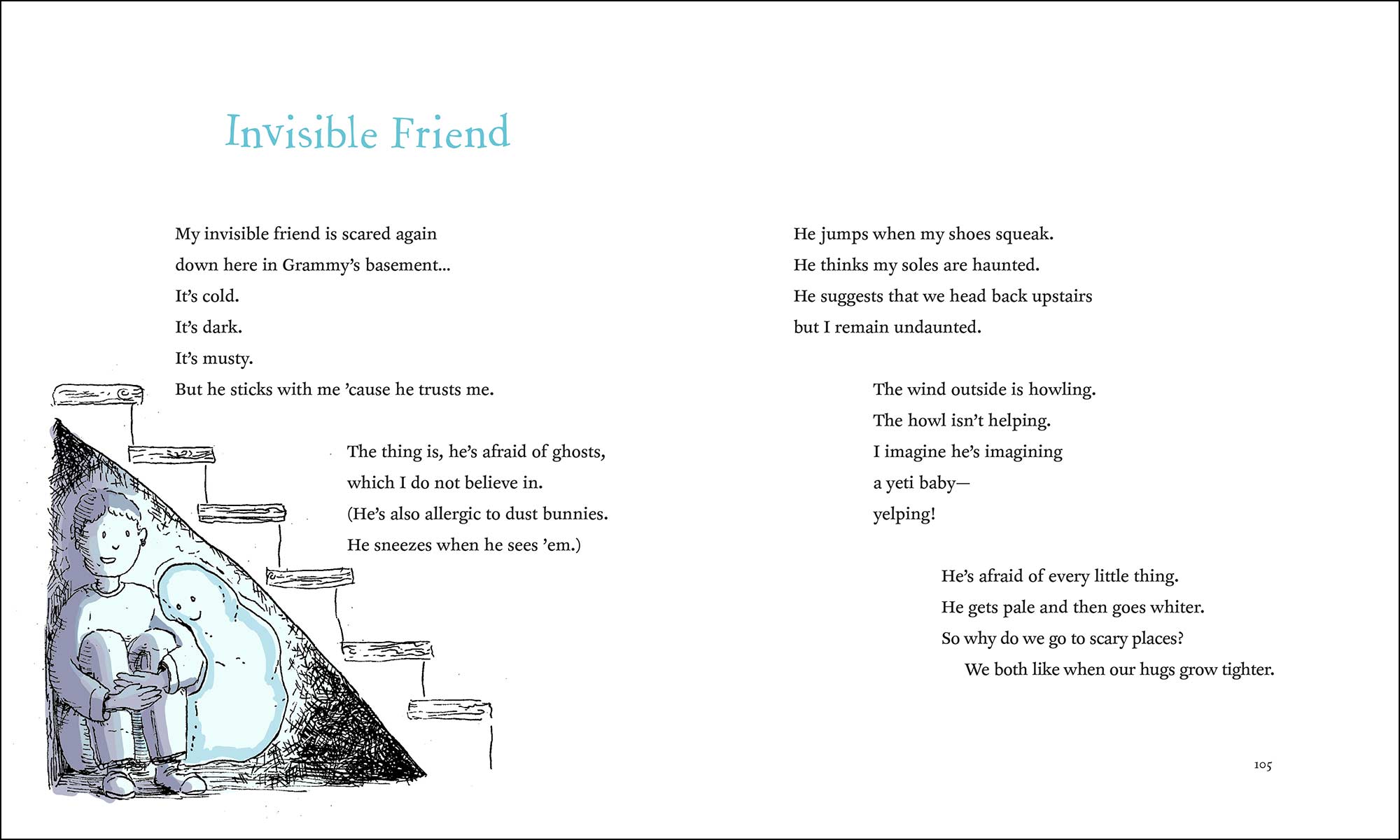
Basically, it’s that magical structure you built as a kid—or maybe last Tuesday—using every couch cushion, clothespin, and fraying quilt in the house. The word comes from the mind of a young Nate Odenkirk, son of the legendary Better Call Saul star Bob Odenkirk. It started as a family inside joke and eventually spiraled into a New York Times bestselling book titled Zilot & Other Important Rhymes.
Why Zilot Matters More Than You Think
Language is kinda rigid most of the time. We have rules for grammar and "proper" vocabulary that make us feel like we have to follow a script. Bob Odenkirk and his daughter, Erin, decided to toss that script out the window. During the 2020 lockdowns, when the world felt small and stagnant, they dug up an old notebook from Nate’s childhood.
Inside were poems they’d written together years ago.
They weren't "polished" in the way a college professor might want. They were raw, silly, and occasionally made no sense. But that’s the point. The "zilot" represents the idea that kids have the agency to name their own world. If you build a fort and call it a fort, it’s just a pile of laundry. If you call it a zilot, it’s a kingdom.
The Art of the "Important" Rhyme
Most people think "important" poetry has to be about heartbreak or the meaning of existence. In this world, an important rhyme is one about a dog with the zoomies or a car that runs on turkey baloney.
Breaking the Shel Silverstein Comparison
It’s easy to look at Zilot & Other Important Rhymes and say, "Oh, it’s just the new Shel Silverstein." And sure, the DNA is there. You’ve got the whimsical line art by Erin Odenkirk that feels reminiscent of A Light in the Attic. But there’s a different energy here. Silverstein often leaned into the macabre or the deeply melancholic.
The Odenkirk approach is more about the domestic chaos of being a family. It’s about the "nonsense" that actually makes sense when you're six years old.
Take the poem about "Lollygagging." It’s a long, rambling tribute to doing absolutely nothing. In a world that demands productivity from the moment we wake up, writing a rhyme about aimless wandering is actually a pretty radical act. It’s a reminder that play isn’t just for kids; it’s a survival mechanism for adults too.
The Science of Why We Love Nonsense Words
Why does a word like zilot stick in our brains? Linguists call these "pseudowords." They follow the phonetic rules of a language—in this case, English—but don't have a pre-existing definition.
- They trigger "phonological loops" in our heads.
- They allow for "semantic flexibility," meaning we can project our own feelings onto them.
- They create a sense of belonging among those who know the "secret" meaning.
When Nate Odenkirk sat in his blanket fort and declared it a zilot, he wasn't just being cute. He was engaging in "lexical innovation." Honestly, we should all be doing more of that. Our vocabulary is often too small for the weirdness of modern life.
Other Rhymes You Should Actually Care About
While zilot gets the headline, the book is packed with other gems that challenge how we think about "correct" writing.
There’s a poem about a librarian named Nancie who reads in a boat. There’s one about "Upside Right." These aren't just filler; they are exercises in perspective. They teach us that there isn't just one way to look at a problem—or a rhyme.
Sometimes the rhyme scheme in these poems feels a bit "clunky" or "off." Guess what? That’s intentional. Real life doesn't always rhyme perfectly. Sometimes you have to force a word to fit because that's the word you want to use. That’s the "Important" part of the title. The intent matters more than the execution.
How to Build Your Own Zilot (Literally and Figuratively)
If you want to tap into this energy, you don't need a publishing deal. You just need to stop being so serious for twenty minutes.
- Gather the materials. Grab the heavy blankets for the base and the light sheets for the roof.
- Ignore the "right" way. Don't worry about the structural integrity of the couch cushions. If it falls, it falls.
- Rename something. Find an object in your house that annoys you—like that one kitchen drawer that sticks—and give it a name that makes you laugh.
- Write it down. Don't edit. Just put pen to paper and let the nonsense flow.
What Most People Get Wrong
The biggest misconception about zilot is that it’s just for children. That’s a huge mistake. The book was finished while Bob and Erin were adults living together during a global crisis. It was a way for a father and daughter to reconnect with a version of themselves that wasn't stressed or tired.
We often think of "childishness" as a negative trait. We should be thinking of it as "child-likeness." One is about maturity; the other is about curiosity.
Bob Odenkirk has spent his career in the high-stress world of Hollywood, writing for SNL and starring in intense dramas. For him, zilot is a return to form. It’s a reminder that at the end of the day, the most "important" things we create are the ones that make the people we love smile.
Actionable Next Steps
To really get the most out of the zilot philosophy, start by reclaiming a small pocket of your day for pure, unadulterated nonsense. Read a poem out loud—preferably a silly one—and don't try to analyze what the "author meant." Just enjoy the way the syllables bounce off your teeth.
If you have kids, let them name the next three things they see. If they decide the refrigerator is now a "Grumble-Box," then that’s what it is. Live in that world for a bit. You might find that the "important" rhymes of life aren't found in textbooks, but in the weird, made-up words we share with each other when no one else is listening.