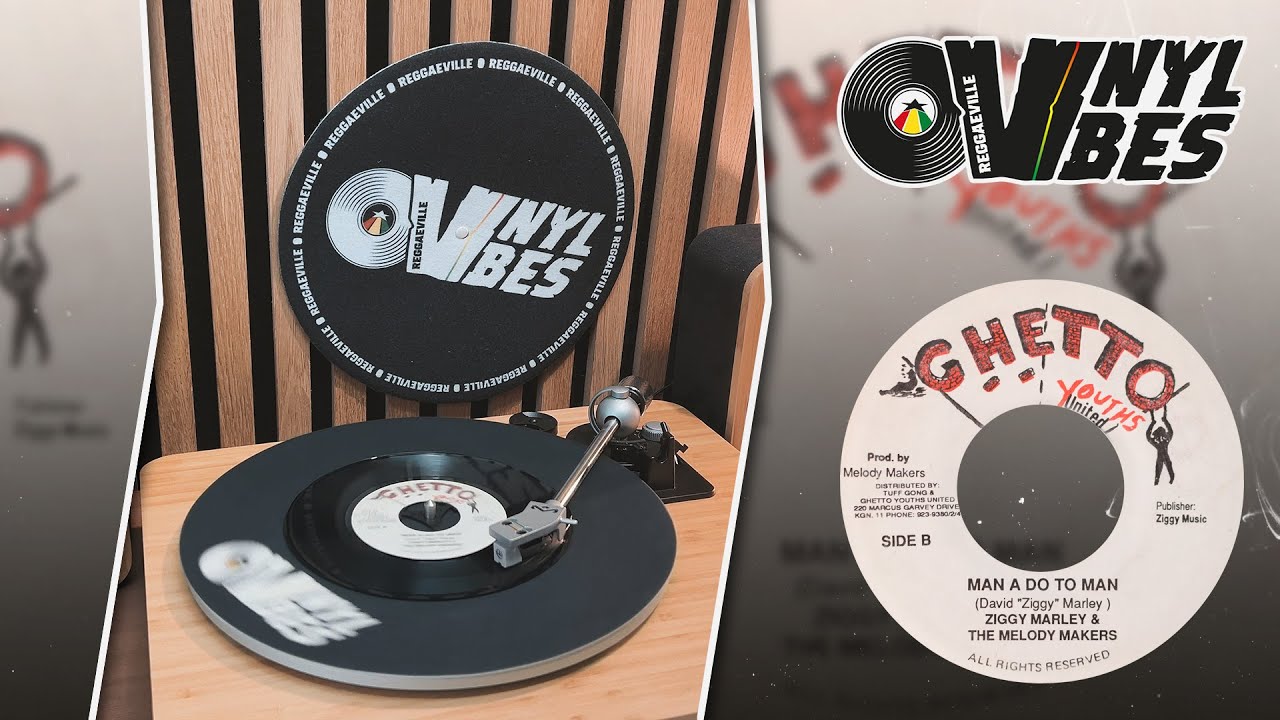
It wasn't easy being Bob Marley's kid in 1979. Most people forget that Ziggy Marley and the Melody Makers didn't just spawn out of a marketing meeting or a desire to cash in on a famous last name. They were kids. Literally. When they recorded "Children Playing in the Streets," Ziggy was barely eleven. Cedella, Stephen, and Sharon were right there with him, navigating a Kingston studio environment that was probably way too intense for a group of siblings who should have been worrying about homework.
But reggae is different. It’s a family business in Jamaica, almost by default. For a deeper dive into similar topics, we recommend: this related article.
There's this weird misconception that the band was just a "tribute act" for their father. Honestly, that’s just lazy history. While the shadow of Bob was massive—and let's be real, insurmountable—the Melody Makers carved out a sound that eventually pivoted away from the roots-heavy 70s vibe into something that felt more like 80s pop-reggae. It was shiny. It was accessible. And for a while, it was exactly what the world wanted.
The Early Years and the Tuff Gong Pressure
The group formed because Bob wanted them to. That’s the simple truth. He wrote "Children Playing in the Streets" for them, and all the royalties went to the United Nations for the International Year of the Child. It was a wholesome start, but things got heavy fast. After Bob passed in 1981, the weight of the Marley empire fell onto these teenagers' shoulders. Imagine being 13 years old and being told you’re the new face of a global spiritual movement. To get more information on the matter, detailed analysis can be read on E! News.
They released Play the Game Right in 1985. Critics hated it. They thought it was too poppy, too light. It didn't have the grit of Exodus or Catch a Fire. But that was the point. They were kids! They were listening to what was on the radio in the mid-80s. You can hear the synth influence and the attempt to find a middle ground between Kingston and New York.
It took a move to Virgin Records and a pairing with producers Chris Frantz and Tina Weymouth of Talking Heads to actually break them. That’s where things got interesting.
The Conscious Party Shift
If you grew up in the late 80s, you couldn't escape "Tomorrow People." It was everywhere. Conscious Party (1988) is the album that defines Ziggy Marley and the Melody Makers for most casual fans. It won a Grammy, sold millions, and finally gave Ziggy a voice that wasn't just a carbon copy of his dad’s.
Working with Frantz and Weymouth was a stroke of genius. They brought a New Wave sensibility to the rhythm section. It made the reggae "bounce" in a way that worked for American FM radio.
- "Tomorrow People" became an anthem for a new generation that didn't experience the 70s.
- "Tumblin' Down" hit number one on the R&B charts. Think about that for a second. A reggae group topping the R&B charts in the US was almost unheard of back then.
The band wasn't just Ziggy, though. People tend to focus on him because he looks and sounds so much like Bob, but Stephen Marley was the secret weapon. Even back then, Stephen was the one obsessed with the boards, the production, and the technical side. Sharon and Cedella provided the vocal harmonies that gave the band its "Melody" tag. It was a tight, familial unit that didn't have the internal friction that usually destroys bands.
Why They Split (Sorta)
By the time Spirit of Music came out in 1999, the landscape had changed. Hip-hop was the dominant force. Dancehall had completely taken over Jamaica. The Melody Makers' brand of "conscious pop-reggae" felt a little bit like a relic of a previous era.
They never had a messy, public breakup. There were no "behind the music" style lawsuits between siblings. They just grew up. Ziggy wanted to explore a solo career that was a bit more stripped back. Stephen wanted to produce. Cedella moved into the business side, eventually running Tuff Gong and designing outfits for the Jamaican Olympic team.
The transition was organic. It’s actually one of the few success stories in music where a group of child stars didn't end up in a total downward spiral.
The Technical Side of the Sound
If you analyze the musicology of the Melody Makers, you see a bridge. They used the "One Drop" rhythm but layered it with 808s and digital delays that were popular in the late 80s. This is why some purists still turn their noses up at them.
"We weren't trying to be our father. We were trying to be ourselves in a world that only wanted us to be our father."
That quote from Ziggy basically sums up the tension of their entire career. They used Yamaha DX7 synths alongside traditional percussion. They brought in guitarists like Earl "Chinna" Smith to keep the roots foundation, but they weren't afraid to let a pop melody lead the track.
What Most People Get Wrong About the Grammys
There is a weird stat that people toss around: the Melody Makers won three Grammys for Best Reggae Album. People claim it’s just "voter bias" because of the Marley name.
While the name definitely helped with visibility, look at the competition in 1989. They were up against UB40, Toots and the Maytals, and Burning Spear. To win in that field, you had to have a polished product. Conscious Party was simply a better-produced record for the global market than what the legends were putting out at the time. It’s hard to hear, but it’s true. They modernized the genre for a Western audience that was drifting away from reggae.
The Legacy of the "Family Business"
When you look at Ziggy Marley and the Melody Makers today, you see the blueprint for how the younger Marleys (Damian, Julian, Ky-Mani) handled their careers. Ziggy and his siblings took the brunt of the "nepotism" accusations so that the younger brothers could just be artists.
They proved that you could be a "Marley" and still have a platinum record without just re-recording Legend.
Practical Listening Guide: Where to Start
If you're looking to actually understand their evolution beyond the hits, don't just put on a "Best Of" compilation. It strips away the context.
- Listen to "Play the Game Right" (1985): It’s awkward, it’s synth-heavy, and it’s a fascinating look at teenagers trying to find a groove.
- Spin "Conscious Party" (1988) start to finish: This is the peak. It sounds like a summer day in 1988. The production is crisp, and the message is upbeat but not sugary.
- Check out "Jahmekya" (1991): This is where they got experimental. It’s darker, more complex, and shows Stephen’s growing influence as a producer. It’s probably their most underrated work.
- Watch the 1989 "Conscious Party" Concert Film: Reggae is meant to be seen live. The energy between the siblings is something you can't fake in a studio.
Actionable Insights for Reggae Fans
If you're diving into this era of music, keep these things in mind to get the most out of it:
- Don't compare them to Bob. It’s a trap. Compare them to their contemporaries like Steel Pulse or Third World. You’ll see they were actually quite innovative in the "Reggae-Pop" space.
- Follow the producers. Look for the names Chris Frantz and Tina Weymouth on the liner notes. Their influence on the percussion is why those 88-91 albums sound so "punchy" compared to traditional roots reggae.
- Watch the background. In many Melody Makers videos, you can see the early seeds of what became the Ghetto Youths International label.
- Explore the solo transitions. Once you finish the Melody Makers discography, jump straight into Ziggy's Dragonfly (2003) and Stephen's Mind Control (2007). You can hear exactly which sibling was responsible for which "part" of the Melody Makers sound.
The group might be "over" in a formal sense, but they remain the most successful sibling group in the history of Jamaican music. They didn't just survive their father's legacy; they managed to add a few chapters of their own. If you haven't listened to Jahmekya in a decade, go back and do it. It holds up better than you remember.