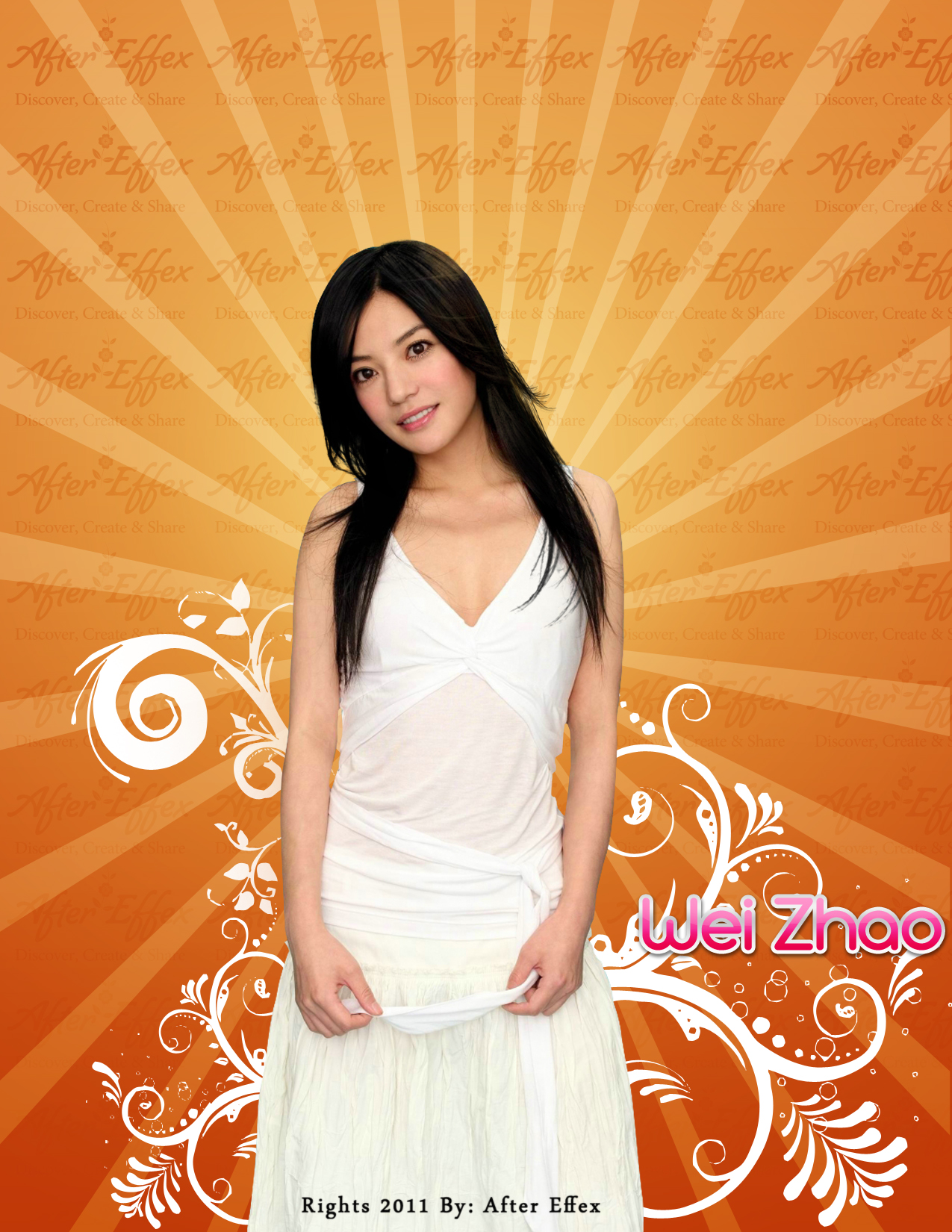
If you grew up in Asia during the late nineties, you knew Zhao Wei. You didn't just know her; you probably had her face on your pencil case, your posters, or at least your TV screen every single night. Most fans call her Vicky Zhao. To a whole generation, she was simply "Little Swallow."
But then, everything went quiet.
In August 2021, Zhao Wei basically vanished from the Chinese internet. Her name was scrubbed from credits. My Fair Princess, the show that made her a legend, disappeared from streaming platforms. No official reason was ever given. One day she was a billionaire mogul and "National Idol," and the next, she was a digital ghost. It was wild.
Honestly, looking back at Zhao Wei movies and TV shows is like looking at a roadmap of Chinese pop culture's golden era. She wasn't just an actress; she was a phenomenon. Even now, with her work still largely restricted in her home country, her impact on cinema and television is impossible to ignore.
The "Little Swallow" Effect: Where It All Began
You can't talk about Zhao Wei without talking about 1998. That’s the year My Fair Princess (Huan Zhu Ge Ge) premiered. She played Xiaoyanzi, a scrappy, loud-mouthed orphan who accidentally becomes a princess.
Before this, female leads in Chinese dramas were usually "willow-like"—dignified, tragic, and very quiet. Zhao Wei blew that up. She was chaotic. She was funny. She had these massive, expressive eyes that felt like they were taking up the whole screen.
The show wasn't just a hit; it was a fever. Ratings hit 65% in China. You've got to realize how insane that is. Basically, if you had a TV, you were watching Zhao Wei. It made her the youngest person to win a Golden Eagle Award for Best Actress at the time.
Then came Romance in the Rain in 2001. She played Lu Yiping, a club singer seeking revenge on her father. It was moody, dramatic, and proved she wasn't just a one-trick pony. If you haven't heard the theme song "Qing Shen Shen Yu Meng Meng," you haven't lived the full C-drama experience.
Breaking the "Idol" Mold in Cinema
A lot of TV stars fail when they move to the big screen. Zhao Wei didn't. She took risks that most "pretty" actresses wouldn't touch.
Take Shaolin Soccer (2001). Stephen Chow cast her as Mui, a shy baker with terrible skin and even worse hair. She spent half the movie looking "ugly" and the other half with a prosthetic bald head. It was a huge pivot from her "National Idol" image, but it worked. It showed she had the range to do slapstick comedy alongside one of the greats.
The Powerhouse Era: 2008 to 2014
This is the stretch where Zhao Wei transitioned from a celebrity to a heavyweight artist. She started picking roles that required some serious grit.
- Red Cliff (2008/2009): Directed by John Woo. She played Sun Shangxiang, a princess who goes undercover as a soldier. She held her own against legends like Tony Leung and Takeshi Kaneshiro.
- Painted Skin (2008): A supernatural horror-romance where she played a wife dealing with a husband enchanted by a demon. Her performance was nuanced and heartbreaking—way more complex than her early work.
- Mulan (2009): Long before the Disney live-action version, Zhao Wei gave us a version of Hua Mulan that felt human. She looked exhausted, dirty, and battle-worn. She won the Hundred Flowers Award and the Changchun Film Festival Best Actress trophy for this one.
Then there’s Dearest (2014). This is arguably her best performance. She played a rural foster mother of a kidnapped child. She went completely deglamorized—no makeup, short hair, speaking in a provincial dialect. It’s a gut-wrenching movie about the human trafficking crisis in China. She won the Hong Kong Film Award for Best Actress for it, and she deserved it.
The Directorial Turn: So Young
In 2013, Zhao Wei decided she was done just being in front of the camera. She directed So Young, a nostalgia-heavy film about university life in the 90s.
It was a massive gamble.
At the time, people didn't really take "actress-directors" seriously. But So Young crushed the box office, making over $118 million on a tiny budget. It sparked a whole trend of "youth nostalgia" movies in China. Critics at the time, like James Marsh, noted that while the script was a bit heavy-handed toward the end, her direction was "vivacious" and fresh. She became the first woman to break 100 million yuan in an opening weekend in China.
Why Her Filmography Disappeared
The "cancellation" of Zhao Wei in 2021 remains one of the biggest mysteries in entertainment. People speculate about her business ties to Jack Ma, or her 2017 ban from the securities market for a failed takeover bid. Others point to her old controversies—like the 2001 Japanese flag dress incident or her casting of a Taiwanese actor in No Other Love.
Regardless of the "why," the result was a massive void. If you search for Zhao Wei movies and TV shows on Chinese platforms like iQiyi or Tencent today, you’ll often get "no results found" or see her name missing from the cast list of her own projects. It's a surreal form of digital exile.
Essential Watchlist for New Fans
If you're just discovering her work, don't just stick to the hits. You need to see the progression.
- My Fair Princess (Season 1): For the cultural impact. It's campy, it's loud, but it's pure 90s joy.
- Jade Goddess of Mercy (2003): An underrated performance directed by Ann Hui. She plays a policewoman with a complicated past.
- Painted Skin: If you want high-production Chinese fantasy with actual emotional stakes.
- Tiger Mom (2015): Her big return to TV. She plays a high-strung mother obsessed with her daughter's education. It was a massive talking point in China because it hit so close to home for many parents.
- Dearest: Only watch this if you’re ready to cry. Seriously.
The Legacy Beyond the Screen
Zhao Wei was one of the "Four Dan Actresses"—the elite group that included Zhang Ziyi, Zhou Xun, and Xu Jinglei. While the others were often seen as "international" or "art-house," Zhao Wei was the one the public actually loved. She felt like a neighbor, even after she became a billionaire.
She also mentored a lot of younger talent. Actor Zhang Zhehan was signed to her agency before he was also "canceled" shortly before she was. Her influence as a producer and judge on shows like Everybody Stand By showed a woman who deeply understood the craft of acting, beyond just being a pretty face.
What to Do Next
If you want to dive deeper into the world of Zhao Wei movies and TV shows, you'll have to look beyond the mainstream Chinese streaming sites.
- Check International Platforms: Sites like Viki or Netflix often still host her works (like Tiger Mom or Painted Skin) since they aren't subject to the same regional censorship.
- Look for Physical Media: DVD sets of My Fair Princess and Romance in the Rain are collectors' items now, but they are the only way to ensure you have the unedited versions of these classics.
- Follow Film Archiving News: In the last year, there have been occasional "blips" where her name reappeared on some platforms, leading fans to hope for a quiet "un-banning." Keep an eye on trade publications like Variety or The Hollywood Reporter for updates on her status in the industry.