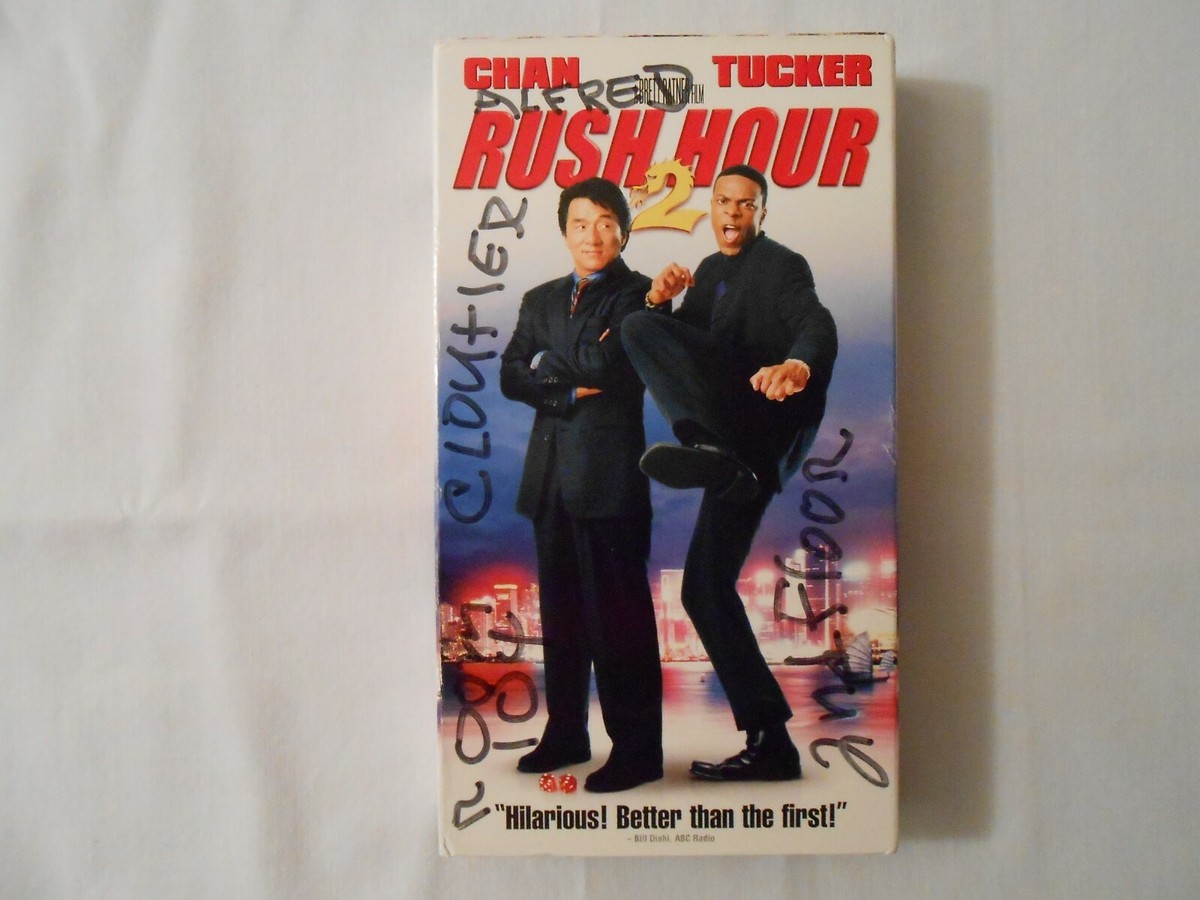
Let’s be real for a second. When you think of Zhang Ziyi Rush Hour 2, you probably picture that terrifyingly cool, silent-but-deadly assassin who spent half the movie kicking Chris Tucker’s head in. She was Hu Li. She didn't need a monologue. Honestly, she barely needed words at all.
Coming off the massive, high-art success of Crouching Tiger, Hidden Dragon, Zhang Ziyi was basically the biggest thing in global cinema. Most people expected her to stay in the world of sweeping period dramas and wuxia epics. Instead? She took a role as a Triad enforcer in a Hollywood buddy-cop sequel. It was a weird move. It was also a brilliant one.
Why Hu Li was the Perfect Debut
Hollywood has a long, kinda annoying history of wasting international talent. Usually, they take a massive star from Asia or Europe and stick them in a generic "foreigner" role with two lines of dialogue. While Hu Li didn't have a lot of lines, she had presence.
Zhang Ziyi brought this sharp, cold precision to a movie that was otherwise a chaotic mess of Jackie Chan’s slapstick and Chris Tucker’s non-stop screaming. You’ve probably seen the scene—the one in the massage parlor or the final casino showdown. She moves differently than everyone else. It’s not just "movie fighting"; it’s a performance.
- The Look: Black leather, stiletto heels, and a glare that could melt steel.
- The Vibe: She was the first person in the franchise who actually felt like a threat to Jackie Chan.
- The Language: Zhang didn't speak much English at the time, which actually worked in her favor. It made Hu Li feel more enigmatic and detached.
The Language Barrier was Very Real
It’s easy to forget now that she’s a global icon, but back in 2001, Zhang Ziyi Rush Hour 2 was a massive gamble because of the language gap. She actually had to have her lines translated on set, and Jackie Chan often acted as an unofficial interpreter between her and director Brett Ratner.
She’s spoken about this in interviews later on, mentioning how she’d spend hours trying to learn the phonetics of her English lines. In Rush Hour 2, she mostly sticks to Mandarin, which adds a level of authenticity that most 2000s action movies lacked. There’s something genuinely intimidating about a villain who refuses to speak your language while they’re dismantling you.
That Infamous Casino Fight
Let’s talk about the final act. The Red Dragon Casino.
Most people remember the "bomb in the mouth" bit, but the choreography between Zhang and Jackie Chan is some of the tightest in the series. Jackie is known for making his villains look like giants, but Zhang didn't need the help. She was a trained dancer before she was an actress, and it shows. Her flexibility and timing meant they could shoot her fights with fewer cuts than a typical American actress would need.
It wasn’t all serious, though. The blooper reels—which are the best part of any Jackie Chan movie—show Zhang cracking up while Chris Tucker tries to flirt with her in broken Cantonese. It’s a glimpse of the "human" Zhang Ziyi that the character of Hu Li strictly forbid.
Impact on the "Dragon Lady" Trope
There is a legitimate conversation to be had about whether this role leaned too hard into the "Dragon Lady" stereotype. You know the one: the dangerous, hyper-sexualized, exotic Asian woman who exists just to be a foil for the male leads.
But Zhang Ziyi Rush Hour 2 felt a bit different. She wasn't there to be saved, and she wasn't there to be a love interest. She was there to do a job. She was a professional. In many ways, Hu Li was a precursor to the modern "strong female lead" in action cinema, even if she was the one wearing the black hat.
What Happened After?
Success. Total, undeniable success.
Rush Hour 2 grossed over $347 million worldwide. It proved that Zhang Ziyi wasn't just a "prestige" actress for film festivals; she was a box-office draw. Shortly after, she went on to do Hero and House of Flying Daggers, which cemented her as the face of Chinese cinema for a decade.
If you're looking to revisit her work, don't just stop at the blockbusters. Here is how you should actually track her career path:
- Watch The Road Home: To see her raw, non-action acting chops.
- Re-watch Crouching Tiger, Hidden Dragon: To see the "Jen Yu" character that got her the Hollywood call.
- Check out Memoirs of a Geisha: This was her "big" English-speaking lead role, and it's where you can see how much her language skills improved.
- Finish with The Grandmaster: This is widely considered her best performance. It’s a masterpiece.
Basically, if you only know her as the girl who kicked Chris Tucker in the face, you’re missing out on one of the most versatile careers in modern movies. But honestly? That kick was still pretty iconic.
To really appreciate what she did in that film, go back and watch the scenes where she isn't fighting. Watch her eyes when she's standing in the background of the Triad meetings. That’s where the real acting is happening. She was outshining A-list stars without saying a single word.