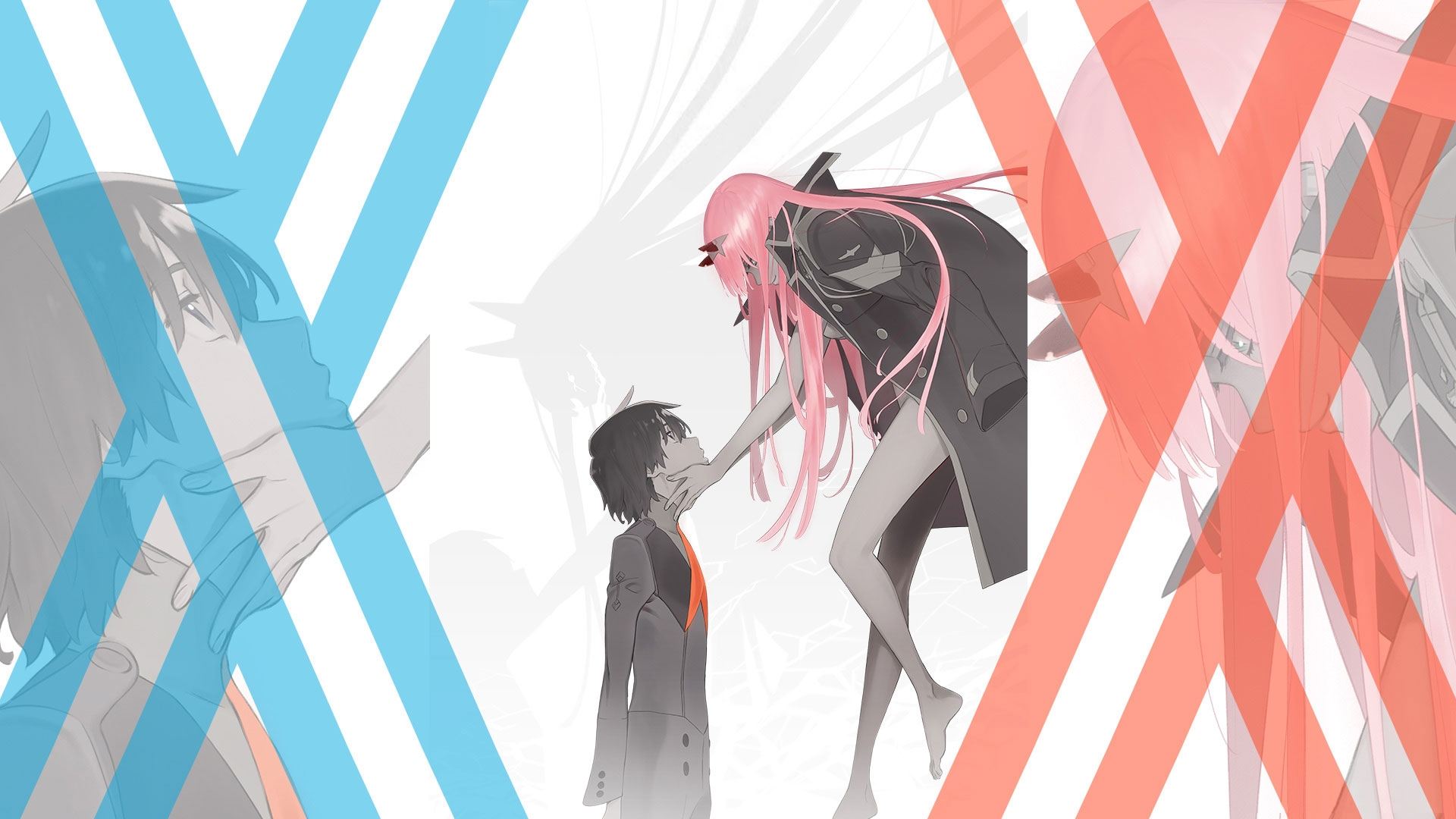
If you’ve spent more than five minutes in an anime forum or scrolled through a cosplay hashtag in the last few years, you’ve seen her. The horns. The red suit. That mischievous, slightly predatory smirk. Zero Two from Darling in the Franxx is everywhere. Even if you haven't seen a single episode of the 2018 Studio Trigger and A-1 Pictures collaboration, you know her face. She’s become a visual shorthand for modern anime culture.
But why?
Seriously, why did this specific character—in a show that, let’s be honest, had a pretty polarizing ending—become such a massive cultural titan? It’s not just the character design, though Shigeto Koyama absolutely knocked it out of the park with the aesthetic. It’s because Zero Two represents a very specific, very messy kind of humanity that resonated with millions of people during a time when "waifu" culture was starting to feel a bit stale.
She wasn't just a trophy. She was a disaster. And we loved that.
The Pilot, the Monster, and the Code 002
Let’s look at the facts of who she is. Within the world of Darling in the Franxx, Zero Two is an elite pilot with Klaxosaur blood. She’s a hybrid. A "Partner Killer." Most pilots who climb into a cockpit with her end up dead or biologically fried after three missions.
Then she meets Hiro.
The story kicks off with her literally dragging him into her world. She calls him "Darling" not because of some shallow romantic trope, but because of a deeply buried, fractured memory of a childhood spent in a lab. Their connection is the literal engine of the show. It’s built on this idea that you aren't whole until you find your "other half," a concept ripped straight from Aristophanes’ speech in Plato’s Symposium.
It’s heavy stuff for a show about giant robots.
Most people get Zero Two wrong because they see her as just the "manic pixie dream girl" of anime. That's a mistake. She’s actually deeply cynical for most of the first half of the series. Her obsession with becoming "human" drives her to do some pretty horrific things. She’s selfish. She’s violent. She’s manipulative. This nuance is what makes her interesting. She isn't a saint; she's a survivor trying to claw her way out of a destiny she never asked for.
Why Zero Two Became a Permanent Part of Internet Culture
Look at the numbers. On platforms like MyAnimeList, Zero Two consistently ranks among the most favorited characters of the 2010s. On TikTok, the "Phut Hon" remix featuring a dancing 2D sprite of her went viral on a scale most marketing teams would kill for.
It’s the horns.
From a design perspective, those red horns are genius. They create a silhouette that is immediately recognizable. But more than that, they symbolize her "otherness." In a society that demands absolute conformity—which is the main villain of Darling in the Franxx—Zero Two is the ultimate rebel. She eats with her hands. She ignores authority. She licks people to see what they "taste" like.
She’s feral.
In a world that feels increasingly sanitized and structured, there’s a primal appeal to a character who just doesn’t care about the rules. It’s a power fantasy, but a vulnerable one. You see, Zero Two doesn't just want to break rules; she wants to belong. That's the hook. That's what keeps the fan art coming years after the show finished airing.
The Controversy of the Ending
We have to talk about it. You can't discuss Zero Two from Darling in the Franxx without mentioning the "Space Kraken" in the room. The final arc of the show took a hard left turn into galactic warfare that felt, to many viewers, completely disconnected from the intimate character drama of the first 15 episodes.
Director Atsushi Nishigori and the team at Trigger have been vocal in interviews about wanting to capture a sense of "scale" and "legacy," but many fans felt the emotional stakes were lost when the setting shifted to outer space.
Yet, Zero Two’s legacy survived the plot's turbulence.
Even people who hated the ending still love her. That’s a rare feat in media. Usually, a bad ending poisons the characters (look at Game of Thrones). But Zero Two transcends her own plot. She’s become a standalone icon, like Marilyn Monroe or James Dean, where the image is more powerful than the original context.
How to Actually Understand the Lore
If you're looking to get into the series now, or if you're a returning fan trying to piece together the messy timeline, here are a few things to keep in mind:
- The Picture Book is the Key: The story of the "Beast and the Prince" isn't just a background detail. It's the literal blueprint for Zero Two and Hiro's relationship. It explains her fear of her own monstrous nature.
- The Manga is Different: Kentaro Yabuki’s manga adaptation of Darling in the Franxx actually diverges from the anime. If you hated the "aliens in space" ending, the manga offers a more grounded, alternate conclusion that many fans prefer. It’s worth a read for the different character beats alone.
- The Names Matter: Zero Two calling Hiro "Darling" is a linguistic tether. In Japanese, "Darling" is a loanword. It stands out. It marks their bond as something separate from the rigid, numbered society they live in.
Honestly, the show is a coming-of-age story disguised as a mecha anime. It’s about puberty, sex, and the terrifying realization that the adults in charge might not have your best interests at heart. Zero Two is the catalyst for that realization.
Final Insights for the Modern Fan
Zero Two is more than a meme. She’s a study in how character design and a "rebel with a heart" archetype can create a lasting legacy. She’s flawed. She’s pink. She’s dangerous.
If you want to dive deeper into why she works, stop looking at the action scenes. Look at the quiet moments in the cockpit. Look at the way she looks at Hiro when she thinks he isn't watching. That's where the real character lives.
To get the most out of your Darling in the Franxx experience today, do these three things:
- Watch the "Red Line" Episode Again: Episode 13 is widely considered the peak of the series. It’s a masterclass in visual storytelling and explains Zero Two’s motivations better than any dialogue could.
- Compare the Anime and Manga Endings: If you felt unsatisfied by the TV show, find the translated manga volumes. The tonal shift is fascinating and provides a much-needed sense of closure for the side characters.
- Check out the Production Art: Look up the character sheets by Shigeto Koyama. Seeing the evolution of Zero Two from a sketch to a cultural icon gives you a real appreciation for the craft behind the "waifu."
The hype might have peaked in 2018, but Zero Two isn't going anywhere. She’s carved out a permanent home in the collective consciousness of the internet. Whether you love the show or just the aesthetic, you have to respect the staying power of the girl with the horns.