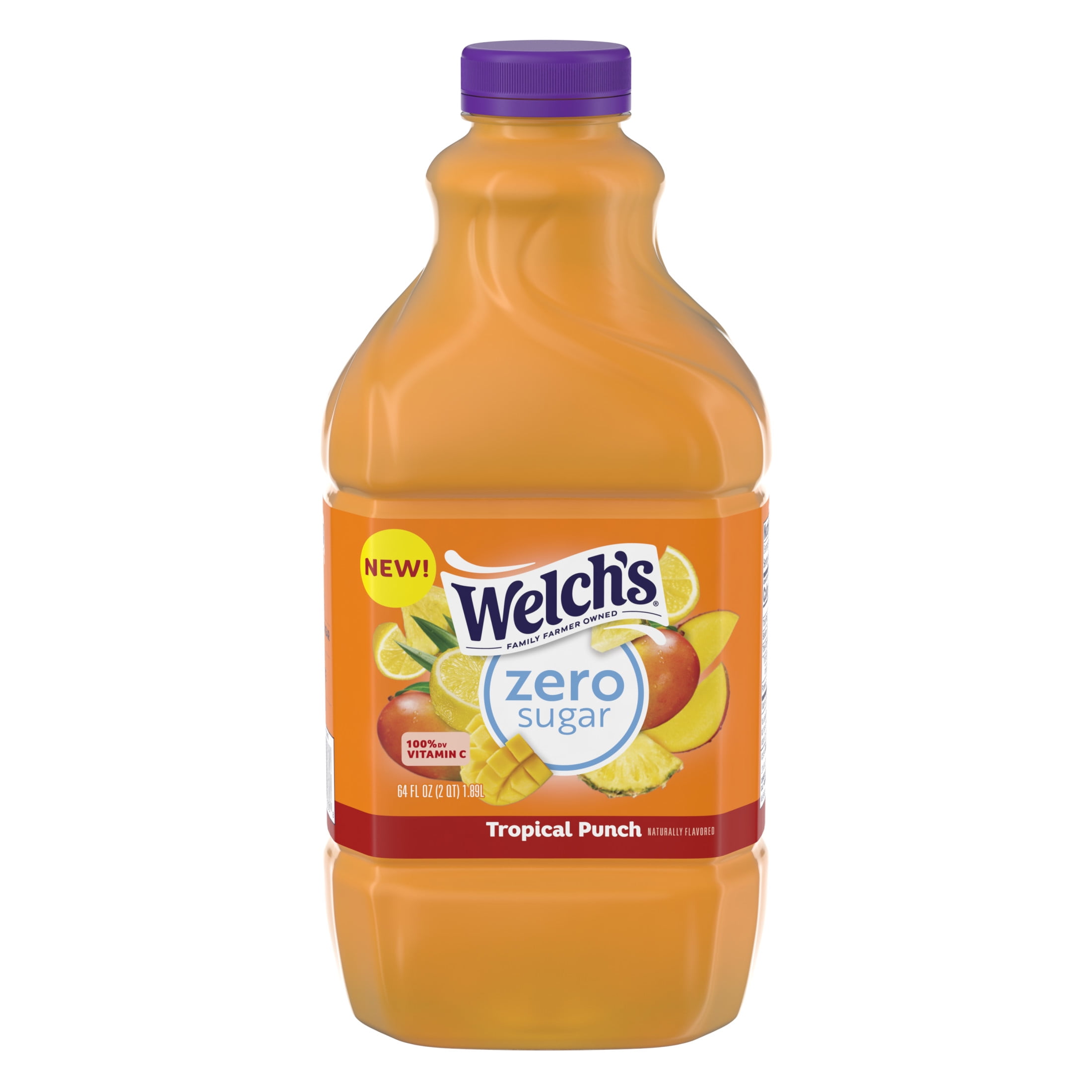
You’re standing in the juice aisle, squinting at labels. Your kid wants the one with the cartoon character, but you’re staring at the "zero sugar apple juice" claim on a different bottle, wondering if it's actually just flavored water or some chemical cocktail. It’s a weirdly controversial drink.
People love to hate on juice. For years, health experts have called apple juice "liquid candy" because a standard glass of the 100% juice stuff can have about 24 grams of sugar. That’s roughly six teaspoons. Zero sugar versions are supposed to solve that, but the way they do it matters more than most people realize. Honestly, it’s not just about what’s missing; it’s about what they put in to keep it from tasting like cardboard.
The Chemistry of Faking the Crunch
Most people assume zero sugar apple juice is just watered-down juice. It's usually more complex. Brands like Mott's or Ocean Spray (which does a juice drink blend) have to navigate the fact that apples are inherently sugary. An apple is basically a fiber-wrapped sugar bomb. To get to zero, companies typically use a "juice drink" formulation rather than 100% juice.
Take Mott’s Free Spirits or their "Zero Sugar" line. They aren't pressing apples and magically removing the glucose and fructose molecules. Instead, they use a base of water and "apple juice concentrate" in tiny amounts, then backfill the sweetness with sucralose or acesulfame potassium.
Some brands use stevia or monk fruit. These are "natural" sweeteners, but they have a distinct aftertaste—that metallic zing that lingers on the back of your tongue. If you've ever tried a zero-sugar drink and felt like your mouth was coated in film, that’s the stabilizer, often xanthan gum or pectin, added to mimic the "mouthfeel" of real juice. Real juice has a certain viscosity. Water doesn't.
Is Zero Sugar Apple Juice Actually Better for You?
It depends on your goal.
If you are a diabetic managing glycemic load, yes, it’s a massive improvement over the 28g of sugar found in a typical 8-ounce serving of Martinelli’s. According to the American Diabetes Association, choosing non-nutritive sweeteners over added sugars can help with blood glucose management. But here’s the nuance: it isn't "healthy" in the way a salad is. It’s a "harm reduction" food.
There is a big debate in the nutritional world about whether these drinks "trick" your brain. Some studies suggest that when you taste something sweet—even if it has zero calories—your body expects a calorie load that never arrives. This can potentially lead to increased cravings later in the day. It's called the "cephalic phase insulin response," though the evidence in humans is still being debated by researchers at places like Purdue University.
Then there's the vitamin issue.
- Real apple juice has some vitamin C and potassium naturally.
- Zero sugar versions are often "fortified."
- This means they spray synthetic vitamins back into the mix.
The Rise of the "Cold-Pressed" Filtered Alternatives
A newer trend involves filtering the sugar out of real juice using ultrafiltration. Brands like Fairlife did this with milk, and now some startup beverage companies are trying it with fruit. They run the juice through a series of membranes that catch the sugar molecules but let the water and some nutrients pass through. It’s expensive. It’s rare. But it’s the only way to get "real" juice without the sugar.
Most of what you find on the shelf at Walmart or Kroger isn't that. It’s the "water + sweetener + flavor" combo.
If you're looking at a bottle and the first ingredient is water, followed by "malic acid" and "natural flavor," you’re essentially drinking apple-scented tea. Malic acid is what gives apples their tartness. It’s the stuff that makes your mouth water. Without it, zero sugar juice would just taste like sweet water.
Why "No Sugar Added" Isn't the Same Thing
This is where the marketing gets sneaky. "No Sugar Added" is not the same as zero sugar apple juice.
"No Sugar Added" simply means the manufacturer didn't dump a bag of white cane sugar into the vat. However, the apples themselves are full of natural fructose. If you drink a glass of 100% apple juice with "no sugar added," you are still hitting your liver with a massive dose of sugar that your body processes almost exactly like soda. Why? Because the fiber is gone.
When you eat a whole Fuji apple, the fiber slows down the sugar absorption. When you drink the juice, it’s a straight shot to the bloodstream.
Zero sugar versions avoid this insulin spike entirely. That is their primary selling point. For parents who want to give their kids a "treat" without the 2:00 PM sugar crash and subsequent meltdown, these drinks are a lifesaver. Just don't pretend they're a replacement for fruit.
Making Your Own Version at Home
You can actually make a better version of zero sugar apple juice yourself. It sounds crazy, but bear with me.
Buy a high-quality herbal apple cinnamon tea. Brew it strong. Let it cool. Add a drop of liquid monk fruit and a splash of apple cider vinegar (the kind with "the mother"). The vinegar provides the fermented "funk" and acidity that real apples have, while the tea provides the tannins and color. It’s cheaper, it has zero chemicals you can’t pronounce, and it actually tastes like an orchard.
What to Look for on the Label
If you’re going to buy the store-bought stuff, check the acidity.
Most zero sugar juices use citric acid or malic acid. If a brand uses both, it usually has a more complex, realistic flavor profile. Also, look for "Cloudy" versions. If you see a zero sugar juice that looks slightly opaque, it likely contains more apple solids or pectin, which is better for your gut than the crystal-clear varieties.
The Verdict on Your Teeth
Dentists actually have a bone to pick here. Even if a juice has zero sugar, it is often still highly acidic.
The pH of many zero sugar apple drinks sits around 3.0 to 4.0. For context, battery acid is 0.0 and water is 7.0. Enamel starts to dissolve at a pH of 5.5. So, even if you aren't feeding the bacteria that cause cavities (which love sugar), you are still bathing your teeth in an acid bath that can soften the enamel.
The pro tip? Drink it through a straw. Or rinse your mouth with water right after. Never brush your teeth immediately after drinking it, as your enamel is currently in a "softened" state and you’ll basically be scrubbing it away.
Actionable Steps for the Conscious Consumer
- Audit the Sweetener: If you have a sensitive stomach, avoid zero sugar juices that use sugar alcohols like erythritol or xylitol in high amounts, as they can cause bloating. Stick to stevia or sucralose if you must.
- Check the Juice Percentage: Even "zero sugar" drinks often contain 1-5% real juice for flavor. Higher percentages usually mean a more authentic taste but check the calorie count to ensure it's still within your goals.
- Watch the Sodium: Sometimes, brands add a pinch of sodium to balance the bitterness of artificial sweeteners. It’s usually negligible, but worth a glance if you’re on a restricted diet.
- Dilute the Real Stuff: If you hate the taste of artificial sweeteners, take 100% real apple juice and dilute it—25% juice to 75% sparkling water. You get the real flavor, a bit of sugar, but a much lower total load.
Stop treating zero sugar apple juice like a health tonic and start treating it like a tool. It's a great way to stay hydrated if you hate plain water, and it's a solid option for managing blood sugar. Just keep an eye on the acids and the ingredient list to make sure you're getting what you actually want.