"My life has been changed by the tattoo." That’s one of the first things Billy Corgan sings in "Zero." It's a weird opening. It’s defiant. It’s also incredibly nihilistic for a song that helped define the mid-90s alternative rock explosion. When Mellon Collie and the Infinite Sadness dropped in 1995, the Zero Smashing Pumpkins lyrics became a sort of shorthand for a specific type of teenage wasteland. But looking back at them now, three decades later, there’s a lot more than just "angst" happening under the hood.
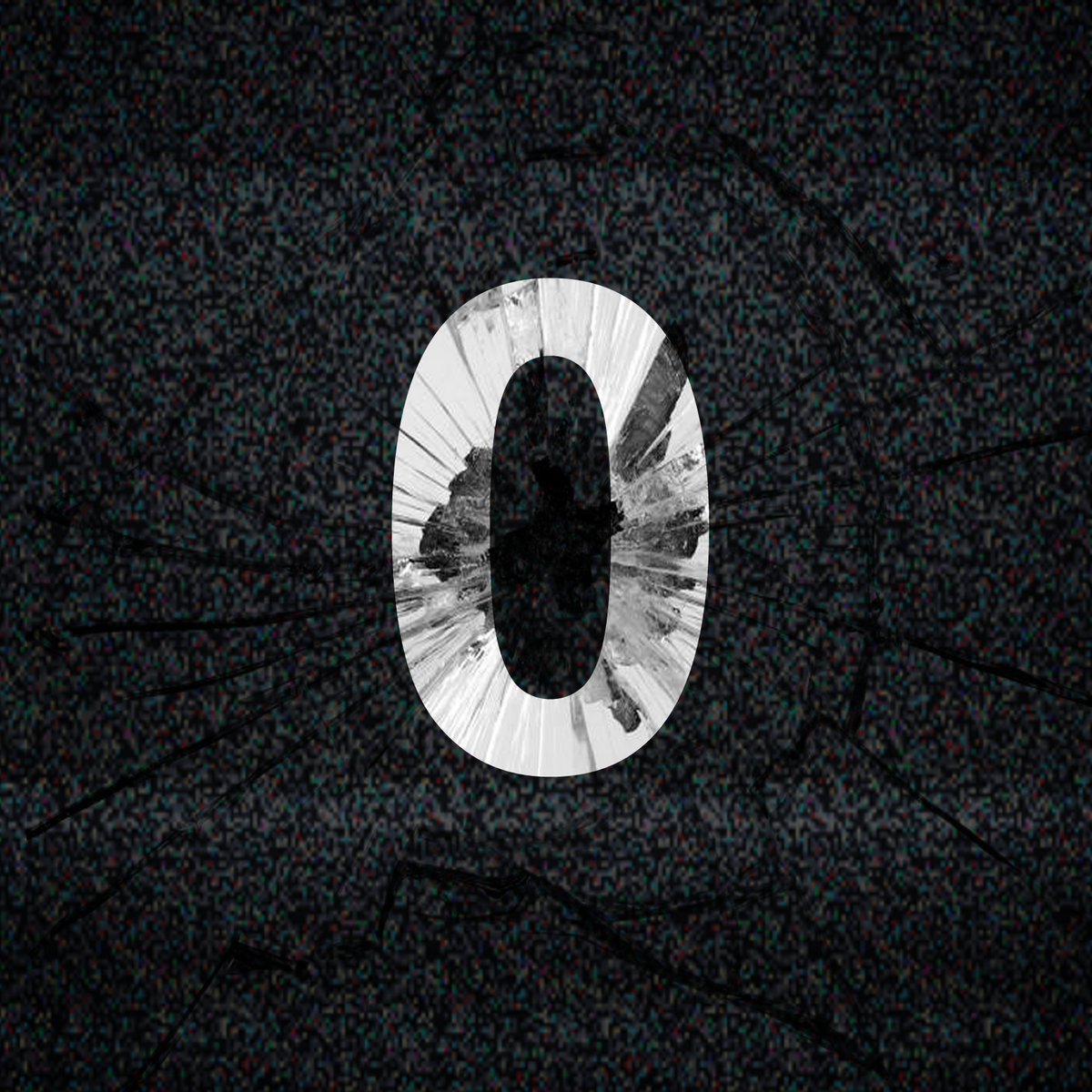
Most people remember the shirt. The black long-sleeve with "ZERO" in silver block letters. It was everywhere. But the song itself? It’s a claustrophobic, high-gain masterpiece that basically summarizes the exhaustion of being a rock star while the world watches you burn out. Corgan wasn't just writing a catchy hook; he was writing a resignation letter from the "Alternative Nation" that he felt was sucking him dry.
The God is Empty Paradox
The core of the Zero Smashing Pumpkins lyrics sits right in the chorus: "God is empty, just like me." It's a heavy line. Honestly, it's the kind of line that gets a song banned from radio in certain parts of the country, yet it became a massive anthem. Corgan has mentioned in various interviews, including his deep-dive conversations with Rick Rubin, that this wasn't necessarily a theological statement about the non-existence of a deity. Instead, it was about the emptiness of the "idols" we create.
Think about it.
In 1995, Corgan was being hailed as the next Kurt Cobain, a title he neither wanted nor particularly respected. The "God" he’s referring to is the projected image of the rock star—the hollow vessel that fans pour their expectations into until there’s nothing left. "Emptiness" is the recurring motif here.
He’s basically saying that if you look inside the person you worship, you’re going to find a void. That's dark. It's also incredibly honest for a guy who was currently at the absolute peak of his commercial powers.
Deciphering the "Tattoo" and the "Glass"
The opening line—"My life has been changed by the tattoo"—actually has a tangible origin. Corgan has stated that it refers to a literal tattoo he got, but symbolically, it represents the permanent marking of fame. You can’t scrub it off. Once you’re "Zero," you’re always Zero.
Then we get to the references to "Glass." If you’re a hardcore Pumpkins fan, you know that Glass (or Zero) became a character in the conceptual sprawling narrative of the band’s later work, specifically Machina/The Machines of God.
But even back in '95, the lyrics were setting the stage:
- "Intoxicated with the madness, I’m in love with my sadness."
- "Fashion victims of the city, we’re all so pretty."
The contrast between the "pretty" exterior and the "intoxicated madness" inside is classic Corgan. He was obsessed with the idea that the music industry was just a glamorous morgue. He’s calling out the listeners—and himself—for being "fashion victims" who find a weird, perverse comfort in being miserable.
Why the Technical Delivery Matters
You can’t talk about the lyrics without talking about the way they’re spat out. The vocal performance on "Zero" is dry. There’s almost no reverb. It feels like Billy is whispering—then screaming—right into your ear canal. This was a deliberate choice by producer Flood and Corgan.
The lyrics "She’s the one for me / She’s all I really need / 'Cause she’s the one for me" sound like a love song on paper. In the context of the track? They sound like an obsession. They sound like an addiction. Whether he's talking about a person, a drug, or the audience itself, the repetition creates a sense of mania.
The Influence of the "Zero" Aesthetic
The Zero Smashing Pumpkins lyrics didn't just stay in the liner notes of a CD. They moved into the visual language of the era. The music video, directed by Samuel Bayer (who also did Nirvana’s "Smells Like Teen Spirit"), portrayed the band in a decadent, Victorian-nightmare setting.
It weirdly predicted the "emo" movement of the early 2000s. The idea that "emptiness" could be a brand.
But Corgan was always more cynical than the emo kids who followed. He wasn't crying for help; he was mocking the fact that help wasn't coming. When he sings "I’m your lover, I’m your zero / I’m the face in your dreams of glass," he’s acknowledging his role as a screen. You see what you want to see in him.
Common Misconceptions About the Meaning
A lot of people think "Zero" is a suicide note or a celebration of depression. It's really not. If you look at Corgan's broader body of work, he’s a survivor.
The song is actually an exercise in stripping away the ego.
To be "Zero" is to be nothing. And if you are nothing, you are finally free from the pressures of being "something" for everyone else. It’s a paradox of liberation through nihilism. He’s not saying life is worthless; he’s saying the versions of life sold to us by the media and the music industry are worthless.
Actionable Insights for Songwriters and Fans
If you’re looking at these lyrics to understand why they worked so well, or if you’re trying to channel that energy into your own creative work, here are a few takeaways that aren't just "be sad."
Embrace the Uncomfortable Metaphor Don't be afraid of lines like "God is empty." Even if you aren't trying to be controversial, the shock value of a bold statement forces the listener to stop and pay attention. Corgan used blunt, monosyllabic words to cut through the wall of distorted guitars.
Contrast is Everything The song works because it’s a heavy metal riff paired with vulnerable, almost poetic lyrics. If the lyrics were just "I'm angry," it wouldn't have lasted. The fact that he’s talking about "dreams of glass" and "intoxication with madness" gives it a literary weight that most grunge songs lacked.
The Power of Branding Your Message Corgan didn't just write a song; he created an icon. The "Zero" shirt and the "Zero" persona made the lyrics feel like a manifesto. If you’re a creator, think about how your "lyrics" or your core message can be distilled into a single, powerful image.
To truly appreciate the Zero Smashing Pumpkins lyrics, you have to listen to the track at a volume that feels slightly dangerous. You have to feel the two-bar guitar solo that sounds like a drill. Only then do the words about emptiness and tattoos actually start to make sense. It’s not a song about being a loser; it’s a song about the power found in admitting you have nothing left to lose.
For those diving back into the Mellon Collie era, pay close attention to the B-sides like "Pastichio Medley" or "Marquis in Spades." You’ll see that the themes in "Zero" weren't a fluke—they were the beginning of a total deconstruction of the 90s rock mythos.
To get the most out of your Smashing Pumpkins deep dive, start by listening to the original 1995 mastering of "Zero" alongside the 2012 remaster. Notice how the vocal isolation in the chorus highlights the "emptiness" Corgan was trying to convey. From there, read the lyrics as a standalone poem to see how the rhythmic meter drives the song's aggressive pace even without the drums.