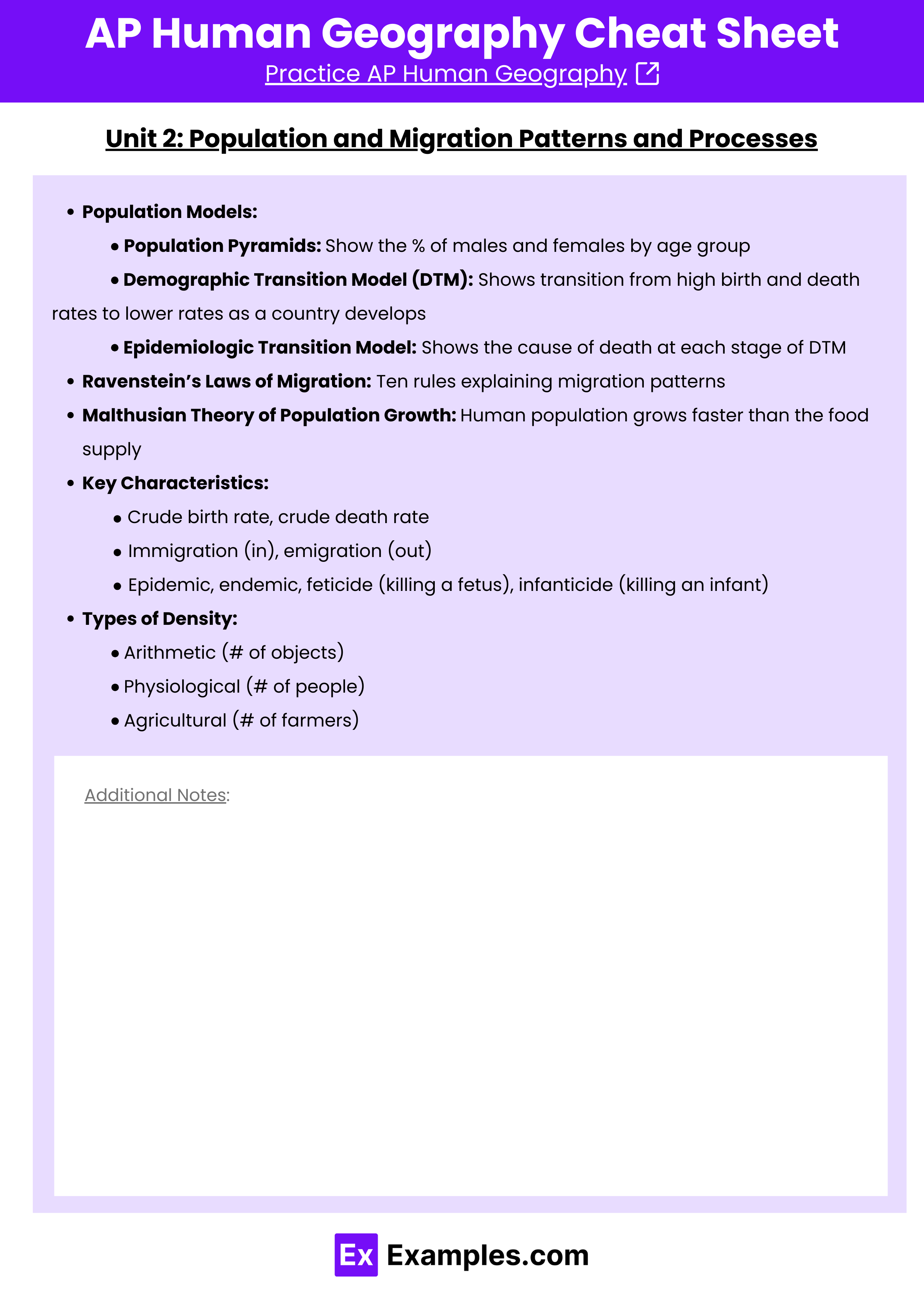
You're sitting in class. You look at the demographic transition model on the board. Stage 4 looks like a flatline, and Stage 5 looks like a slow-motion car crash of declining numbers. Somewhere in that mix, your teacher mentions zero population growth AP human geography as if it’s some magical, static destination. But honestly? It’s not a destination at all. It’s a precarious balancing act that most countries are terrified of actually hitting.
Think about it. Meanwhile, you can read similar events here: The Art of the Open Door in a Room Full of Shadows.
When the number of births plus the number of immigrants equals the number of deaths plus the number of emigrants, you’ve hit the sweet spot. Or the sour spot, depending on who you ask at the World Bank. Basically, the Crude Birth Rate (CBR) and the Crude Death Rate (CDR) decide to shake hands and stop moving. It sounds peaceful. It sounds sustainable. But for a global economy built on the idea of "more people equals more customers," it’s a demographic nightmare.
The Math Behind the Flatline
Let's get one thing straight: you don't get to zero population growth just by having fewer kids. That's the Total Fertility Rate (TFR) talking. For a population to replace itself without growing, the TFR needs to be right around $2.1$. Why the $.1$? Because not every child makes it to adulthood. If a country’s TFR drops to $1.3$ or $1.4$—look at Italy or Japan—they aren't just at zero; they are shrinking. To see the full picture, we recommend the excellent analysis by The Guardian.
Zero population growth happens when that $2.1$ rate is maintained over a long period. It’s the "replacement level fertility." But here is where the AP exam loves to trip you up. A country can have a replacement-level TFR and still have a growing population. We call this population momentum. If you have a massive "bulge" of young people from a previous baby boom, they are all going to have kids at the same time. Even if they only have two kids each, the sheer volume of parents means the total population keeps climbing for decades before it finally levels off.
It’s like a massive freight train. You hit the brakes (lower the birth rate), but the train is so heavy it skids for another three miles before stopping.
Why Stage 4 and Stage 5 Matter
In the Demographic Transition Model (DTM), zero population growth AP human geography concepts usually anchor the end of Stage 4.
Most of the "developed" world—think Western Europe, Canada, and increasingly parts of East Asia—has spent the last fifty years sliding toward this point. Why? Because kids are expensive. In a subsistence farming society, a kid is a pair of hands to help with the harvest. In a post-industrial city, a kid is a $300,000$ investment that requires a college fund and a smartphone.
Women’s empowerment is the biggest driver here. It’s not a coincidence. When girls stay in school longer, they marry later. When they marry later, they have fewer "reproductive years" available. When they have careers, the opportunity cost of having four kids becomes massive. You’ve seen this in the data for countries like Denmark. They have reached a point where the only thing keeping their population from shrinking is immigration.
The Japan Paradox
Japan is the "poster child" for what happens when you overshoot the target. They didn't just hit zero; they went negative. Their population is aging so fast that they have more adult diapers sold than baby diapers. That is a real statistic, not an exaggeration. When the CDR exceeds the CBR, you enter Stage 5.
The problem with hitting zero population growth is the dependency ratio. You need young workers to pay into the social security systems that support the elderly. If your population stops growing, your workforce shrinks, but your "retired" population keeps living longer thanks to modern medicine. It’s a math problem that no politician wants to solve because the solutions—higher taxes, later retirement, or massive immigration—are all deeply unpopular.
Misconceptions That Will Kill Your Exam Score
Most students think zero growth means "nothing is happening." Wrong. Everything is happening.
- Migration is the Wildcard: A country like Luxembourg might have a tiny birth rate, but their population can grow because of people moving in for jobs. You cannot talk about zero growth without talking about net migration.
- It’s Not Just "Rich Countries": We used to think only the "West" did this. Look at China. Because of the legacy of the One Child Policy, they are staring down the barrel of a massive population decline much sooner than anyone expected.
- The "Overpopulation" Myth: People like Paul Ehrlich (author of The Population Bomb) predicted we’d all be starving by now. He was wrong. Technological advancements in the Green Revolution increased our carrying capacity. Now, the fear isn't that we have too many people, but that we have the "wrong" age distribution.
Social and Economic Aftershocks
What does a ZPG (Zero Population Growth) world actually look like? It’s quiet.
In places like rural Italy or parts of the Great Plains in the US, you see "ghost towns." Schools close because there aren't enough kindergarteners to fill a classroom. Property values stagnate because there isn't a new generation of buyers looking for "starter homes."
But there’s a flip side. Environmentally, ZPG is a dream. Fewer people means less strain on the aquifer, less carbon output, and less urban sprawl. It’s the ultimate "sustainability" move. The conflict in AP Human Geography is always this tension between economic health (which wants growth) and environmental health (which wants stability).
How to Analyze ZPG in Your FRQs
If you get a Free Response Question about this, don't just say "births equal deaths." You need to use the "vocabulary of the expert."
- Mention the Epidemiological Transition: Explain that people are dying of "degenerative diseases" (heart disease, cancer) in Stage 4/5 rather than infectious diseases. This long life expectancy is what keeps the death rate low even as the population ages.
- Discuss Pronatalist Policies: Talk about how governments try to fight ZPG. Russia has "Conception Day" where people get time off work to... well, make babies. France offers massive tax breaks for a third child. These are "pronatalist" moves designed to kickstart the birth rate back above the replacement level.
- The Role of Urbanization: In cities, space is a premium. You can't fit six kids in a Tokyo high-rise. Urbanization is a direct catalyst for moving toward zero population growth.
The Reality of the "Double Burden"
Some countries are stuck in a weird limbo. They have the low birth rates of a wealthy country but the weak infrastructure of a developing one. This is sometimes called the "middle-income trap." They get old before they get rich.
Thailand is a great example. Their birth rate dropped incredibly fast due to successful family planning and economic shifts. Now, they have to figure out how to take care of an aging population without the massive sovereign wealth funds that a country like Norway has.
Actionable Steps for Mastering this Concept
To truly understand zero population growth AP human geography for your exam or for a general understanding of geopolitics, do these three things tonight:
- Audit a Population Pyramid: Go to PopulationPyramid.net and look at Germany versus Nigeria. Notice the "column" shape of Germany. That is the visual representation of zero growth. If the base is narrower than the middle, you’re looking at a shrinking population.
- Trace the $2.1$ Rule: Research three countries: one with a TFR above $4.0$ (like Niger), one at roughly $2.1$ (like Mexico is approaching), and one at $1.3$ (like South Korea). Compare their median ages. You'll see the correlation immediately.
- Connect to the DTM: Draw the Demographic Transition Model by hand. Label the gap between the birth and death lines. When those lines touch at the bottom of the graph, that is your ZPG point. Understanding the visual distance between those lines is the key to passing the AP exam.
Zero population growth isn't just a number on a chart. It’s the story of how we changed from a species that survives by out-reproducing death to a species that survives by planning its future. Whether we can actually handle the economic consequences of that plan is still very much up for debate.