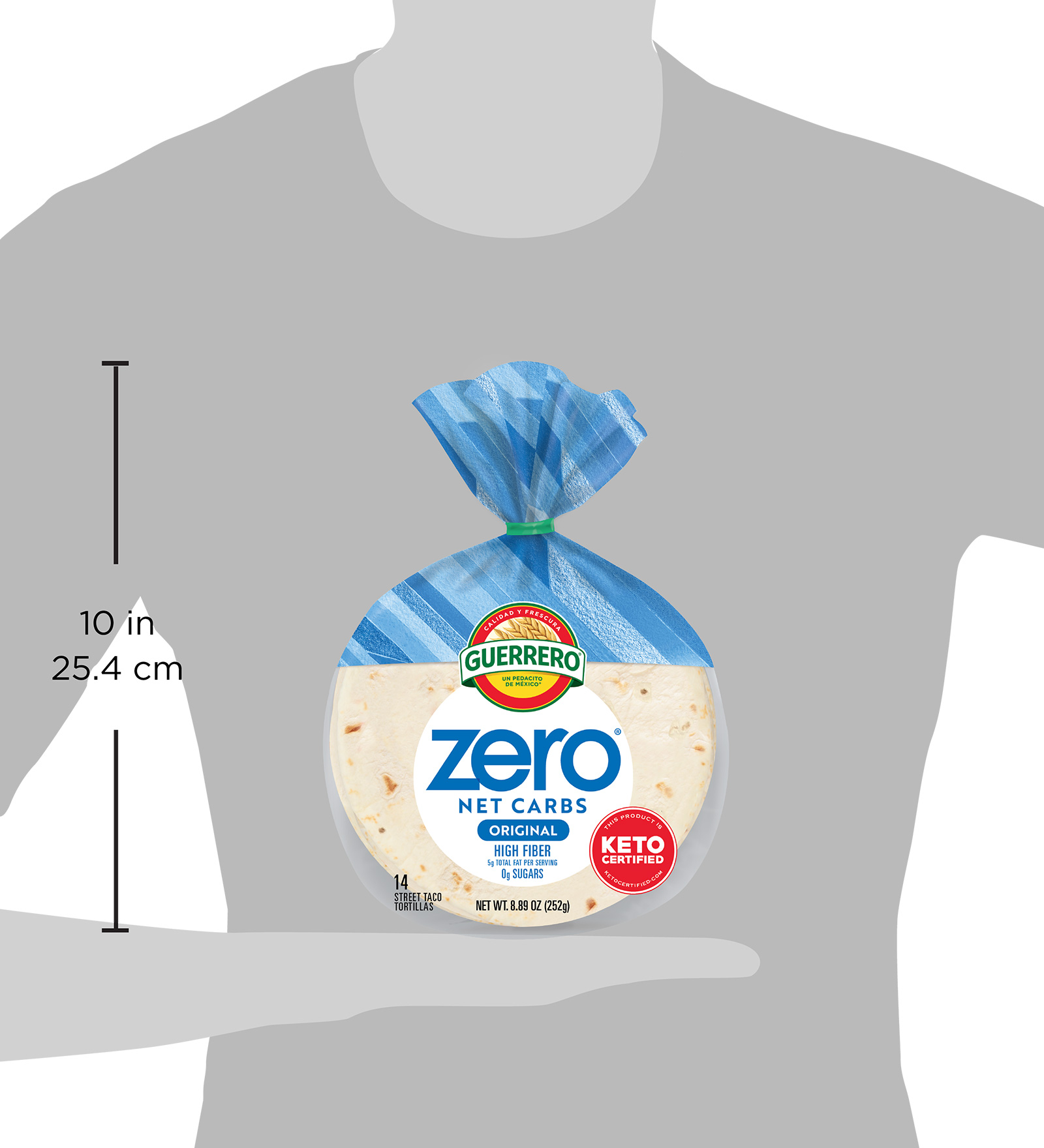
Honestly, the first time I tried a zero net carb tortilla, I expected it to taste like a wet paper towel. You’ve probably been there too. You’re standing in the grocery aisle, looking at a package of Mission Zero Net Carbs or maybe those La Banderita ones, and you’re thinking: How is this even possible? It’s a fair question. A traditional flour tortilla is basically a disc of compressed starch. Taking the carbs out of a tortilla is a bit like taking the wetness out of water.
But here we are in 2026, and the "keto bread" market has exploded into a multi-billion dollar industry because people are tired of wrapping their tacos in floppy lettuce leaves. If you’re trying to stay in ketosis or manage your blood sugar, these things feel like a cheat code.
They aren't magic, though. They are a triumph of food engineering—or a chemical nightmare, depending on who you ask.
The Math Behind the Zero
Let’s get the technical stuff out of the way. When you see zero net carbs tortillas on a label, the manufacturer isn't saying there are no carbohydrates in the bag. That would be impossible unless the tortilla was made of pure lard.
Instead, they rely on a simple subtraction: Total Carbs - Fiber - Sugar Alcohols = Net Carbs.
Most of these products are packed with modified wheat starch or wheat gluten. These are functional proteins and fibers that the body can't easily break down into glucose. Take the Mission Zero Net Carb Street Tacos, for example. They might have 7 grams of total carbohydrates, but because all 7 grams are dietary fiber, the "net" impact is zero.
It sounds perfect. Too perfect? For some people, yes.
The "fiber" used here is often resistant starch or cellulose. While these don't spike your insulin the same way a bag of Skittles does, they still have to go somewhere. Your gut bacteria have to deal with them. If you eat three or four of these in one sitting without being used to a high-fiber diet, you’re going to know about it. Your coworkers might know about it, too. It’s a lot of roughage.
What’s Actually Inside These Things?
If you flip over a pack of Siete almond flour tortillas, you’ll see recognizable ingredients. But Siete isn't zero carb. To get to that elusive zero, brands have to get creative.
Common players include:
- Modified Wheat Starch: This is the backbone. It provides the "chew" that makes it feel like a real tortilla.
- Wheat Gluten: This is the glue. Without it, a carb-free wrap would just crumble into dust the moment you tried to fold a carnitas taco.
- Cellulose: Literally wood fiber or plant stalk material. It adds bulk without calories.
- Preservatives: Because these are high-moisture, high-protein environments, they need things like calcium propionate to keep from molding on the shelf.
There is a segment of the keto community that hates these ingredients. They call them "dirty keto." If you are a purist who only eats whole, single-ingredient foods, zero net carb tortillas are your enemy. They are highly processed. There is no "tortilla tree" in nature.
However, if your goal is metabolic flexibility or weight loss, the data is a bit more nuanced. A 2021 study published in the journal Nutrients looked at how resistant starches affect glycemic response. Generally, they do exactly what they claim: they pass through the small intestine without causing a massive blood sugar spike. But—and this is a big "but"—everyone’s microbiome is different.
Some people find that "resistant" starch isn't so resistant for them. They eat a zero-carb wrap and their continuous glucose monitor (CGM) looks like a mountain range.
Texture: The Elephant in the Room
Let’s be real. If you eat one of these cold, straight out of the bag, you’re going to have a bad time. They can be gummy. They can have a slightly "off" chemical aftertaste that lingers on the back of the tongue.
The secret is heat.
You have to toast them. Not in a microwave—that just makes them sweat. You need a dry skillet or, better yet, an open gas flame. When you char the edges of a zero-carb tortilla, the proteins undergo a Maillard reaction. It masks the "fake" flavor and gives it the structural integrity to hold heavy fillings like birria or extra guacamole.
The Blood Sugar Controversy
We need to talk about the "Net Carb" loophole. The FDA allows a lot of leeway in how fiber is calculated and reported.
Dr. Eric Westman, a well-known keto proponent from Duke University, has often cautioned patients about "Frankenfoods." His argument is simple: if you find yourself stalling on your weight loss journey despite "hitting your macros," the culprit is often these processed keto replacements.
Why? Because your brain still reacts to the highly palatable nature of a wrap. It triggers the same "eat more" signals as a regular tortilla. Plus, some of those fibers might be partially fermented into short-chain fatty acids, which do contribute a small amount of energy (calories).
If you’re a Type 1 diabetic, you already know that "zero" doesn't always mean zero units of insulin. Many users on Reddit’s r/keto and r/diabetes communities report needing to bolus for about half the "fiber" grams in these wraps. It’s a "trust but verify" situation. If you’re serious about your health, you should test your own blood sugar two hours after eating one.
Better Alternatives or Just Marketing?
You’ve got options now. It’s not just the big brands anymore.
- Egg-based wraps: Brands like Egglife make wraps out of egg whites and xantham gum. These are naturally zero or near-zero carb. The texture is more like a thin crepe than a tortilla, but for some, the "cleaner" ingredient list is worth the trade-off.
- Cheese wraps: Folios makes circles of parched cheese. They are delicious, but they are also very high in fat and calories. Wrapping a fatty burger in a cheese wrap is a calorie bomb, even if it is zero carb.
- Homemade Flax Wraps: You can grind flax seeds, mix with boiling water, and roll them out. They taste earthy. Very earthy. Like eating a field. But they are as "whole food" as zero-carb gets.
Impact on Weight Loss
Can you lose weight eating zero net carbs tortillas every day?
Yes. People do it all the time. If replacing a 150-calorie flour tortilla with a 45-calorie zero-carb version helps you stay in a calorie deficit without feeling deprived, it’s a win. Consistency is the only thing that actually works in the long run.
The danger is the "Halo Effect." This is a psychological trap where you think because the tortilla has no carbs, the entire meal is "free." Loading a zero-carb wrap with a half-pound of high-fat chorizo, three ounces of cheese, and a massive dollop of sour cream still results in a massive caloric load.
Zero carbs does not mean zero consequences.
Why They "Break" Some People
I’ve seen dozens of people complain that these wraps caused them to bloat or stopped their weight loss. Usually, it’s one of two things.
First, the salt. These wraps are often higher in sodium than their traditional counterparts to make up for the lack of flavor from flour. Second, the gluten. Because these rely on wheat gluten for structure, someone with even a mild gluten sensitivity is going to feel inflamed.
If you feel "puffy" the morning after taco night, it’s probably not the carbs—it’s the inflammation or water retention from the processing agents.
Buying Guide: What to Look For
If you’re going to buy them, read the label for Vital Wheat Gluten as one of the first three ingredients. If you see "Inulin" or "Chicory Root Fiber," be careful. While these are great prebiotics, they are notorious for causing gas in even moderate amounts.
Look for brands that use Oat Fiber. It tends to have a more neutral flavor profile and a less "rubbery" texture than pure wheat-based versions.
Also, check the size. Manufacturers love to shrink the "Street Taco" size to hit that 0g net carb mark. A larger "Burrito" size might actually have 1g or 2g of net carbs because of the rounding rules in labeling. In the US, if a serving has less than 0.5g of a macronutrient, the company can round down to zero. If you eat three "zero carb" tortillas, you might actually be eating 1.5g of carbs. Not a dealbreaker for most, but something to track if you're strict.
Actionable Steps for the Keto Consumer
If you want to integrate these into your life without ruining your progress, follow this blueprint:
- Test your response: Eat one on an empty stomach and check your glucose or ketones. If you stay in your target range, you're good to go.
- Limit your intake: Treat these as a "bridge food" rather than a staple. Aim for one meal a day with them, rather than using them for breakfast, lunch, and dinner.
- Always sear them: Use a cast-iron skillet with no oil. 30 seconds per side until brown spots appear. It changes the molecular structure enough to improve the mouthfeel significantly.
- Hydrate: When you increase your "fake" fiber intake via these wraps, you must increase your water intake. Fiber without water is just a recipe for a digestive backup.
- Watch the fillings: Use the carb savings to load up on high-quality proteins and micronutrient-dense greens. Don't just fill them with processed meats.
Zero net carbs tortillas are a tool. Like any tool, they can be used to build a better diet or they can be used to prop up bad habits. They aren't "health food" in the way broccoli is, but they are a massive upgrade for someone who would otherwise give up on their health goals because they missed bread too much.
Make sure you're buying the ones that actually taste good to you, because life is too short to eat rubbery tacos. Check the expiration dates too; because of the high protein content, these can go south faster than traditional corn tortillas if they aren't stored in a cool, dry place. Once opened, keep them in the fridge. They’ll last twice as long and maintain their flexibility better.