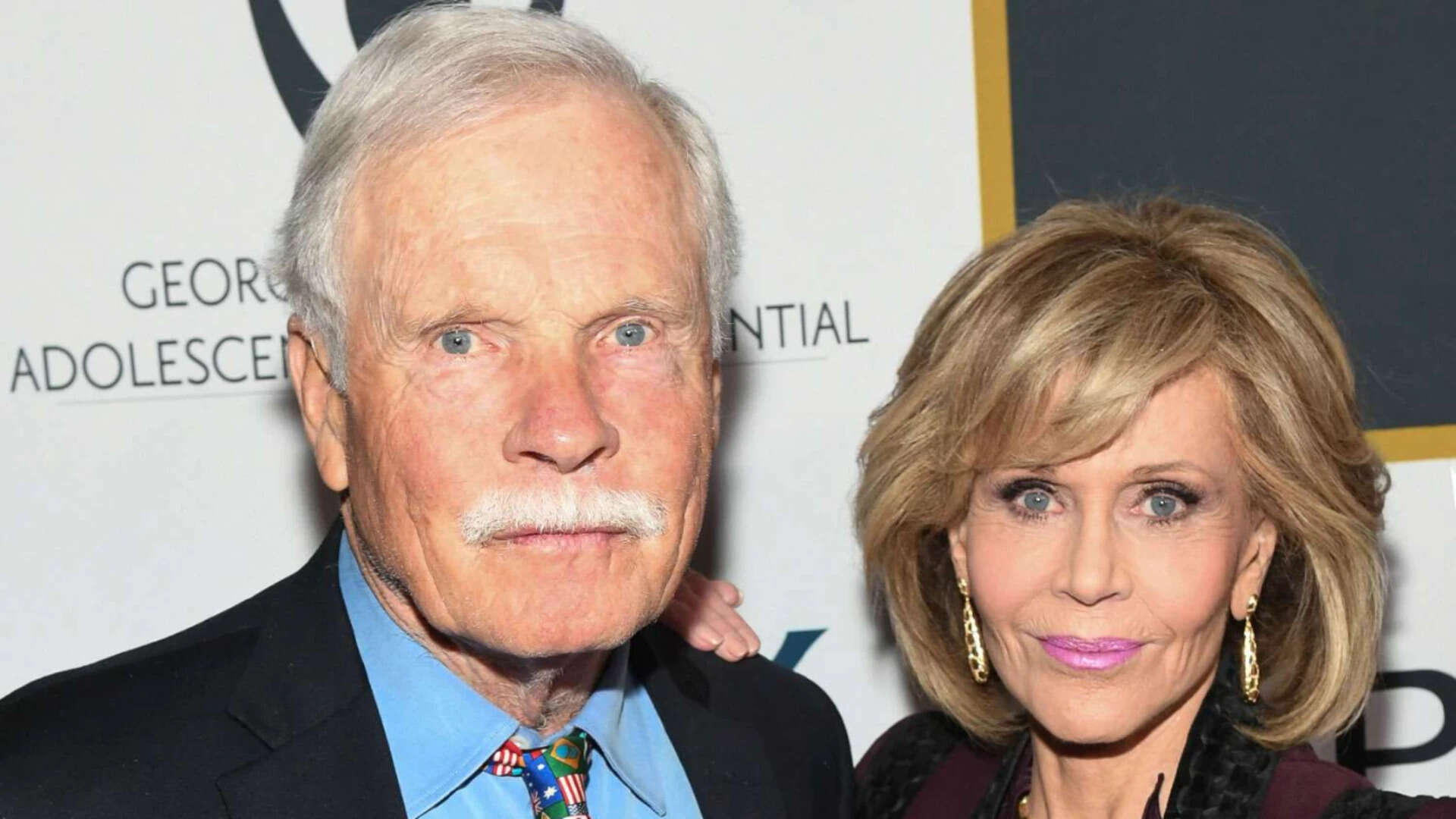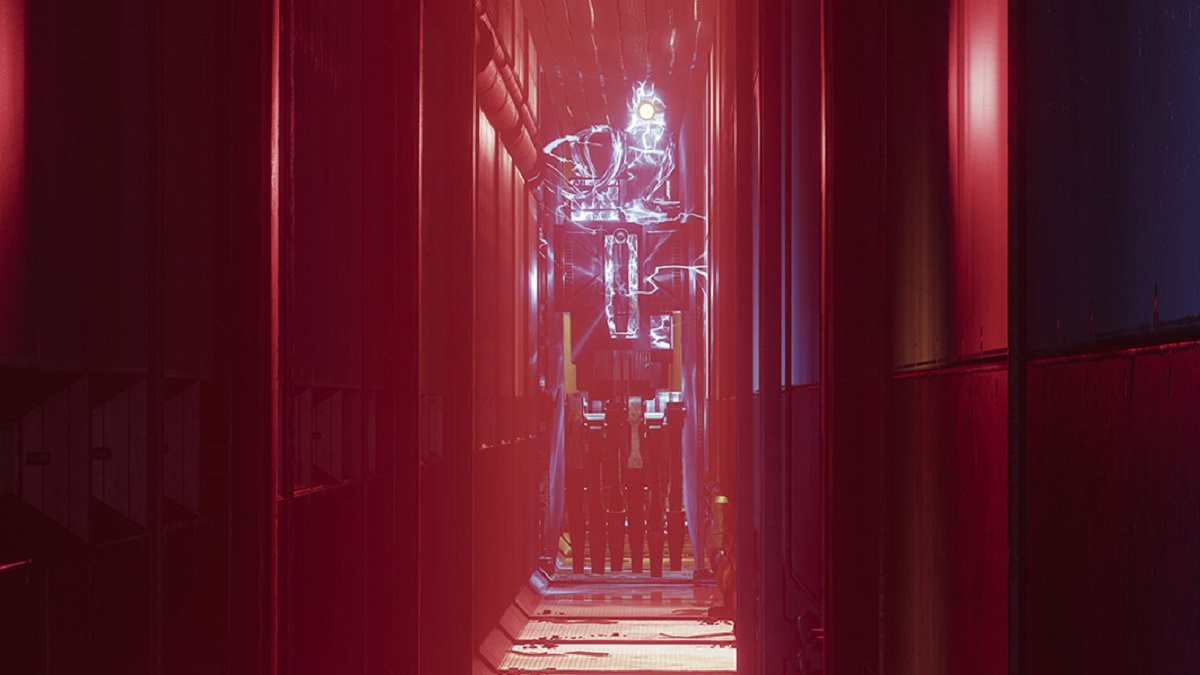
Ever have that feeling where you watch something so aggressively weird you can't tell if it’s a masterpiece or a fever dream? That was the Zero Hour tv show. It landed on ABC back in 2013 like a ton of bricks, full of Nazi clones, mystical clocks, and Anthony Edwards looking like he wandered onto the wrong set.
It was a mess. A beautiful, ambitious, totally chaotic mess.
If you’re trying to remember why it disappeared faster than a paycheck on rent day, you aren't alone. Most people barely had time to set their DVRs before the network pulled the plug. But the story behind the show—and the weirdly dedicated cult following it left behind—is actually kinda fascinating.
What Was the Zero Hour TV Show Actually About?
Basically, imagine if The Da Vinci Code and National Treasure had a baby, and then that baby was raised by someone who really, really liked clocks. Anthony Edwards played Hank Galliston. He’s the publisher of Modern Skeptic magazine. His whole life is about debunking myths. He’s the guy who tells you that the "ghost" in your attic is just a leaky pipe.
Then his wife, Laila, gets kidnapped from her antique clock shop.
Suddenly, the skeptic has to deal with a global conspiracy involving the Rosicrucians, a mysterious villain named White Vincent, and twelve ancient clocks that might lead to the end of the world. Oh, and there are "New Apostles." And a baby that might be a Nazi clone. It sounds like I'm making this up for an illustrative example, but I promise, this was the actual plot of a primetime network drama.
The stakes were huge. We're talking "fate of humanity" huge. The show used a ticking-clock motif in every episode, counting down from twelve. It was trying to be high-octane. It was trying to be Lost.
It ended up being... something else.
The Brutal Reality of the Cancellation
Television is a cruel business. You've got to hit the ground running, or you're gone. The Zero Hour tv show did not hit the ground running. It hit the ground and then sort of slid into a ditch.
ABC had high hopes. They put it in the Thursday 8 p.m. slot. That is a "death slot" for a reason. You're going up against heavy hitters, and if your pilot doesn't grab millions of people immediately, you’re toast.
The numbers were grim:
- The Premiere: About 6.3 million viewers. That sounds okay, but for a major network debut in 2013, it was actually the lowest-rated in-season scripted premiere in ABC's history at the time.
- The Drop: By episode three, the audience had shriveled to 5 million.
- The Axe: ABC didn't even wait for a month. They canceled it after three episodes.
They replaced it with repeats of Shark Tank and eventually Wife Swap. Think about that for a second. The network decided watching people trade families was more viable than a high-concept conspiracy about the 12 Apostles. Honestly, the critics were even meaner than the ratings. Some called it "unwatchable," while others found the dialogue so stilted it felt like it was written by a Magic 8 Ball.
Why Do People Still Talk About It?
Despite the hate, there’s a reason you’re searching for it today.
There is a certain charm in "so-bad-it's-good" TV. Once ABC burned off the remaining episodes in the summer of 2013, a small but vocal group of fans realized the show was actually kind of a hoot. It was fast-paced. It didn't care if it made sense. It just wanted to show you a map hidden in a clock.
The cast was actually stacked, too. You had Michael Nyqvist—the original Girl with the Dragon Tattoo star—playing the villain. He was leaning into the camp. He knew what kind of show he was in. Carmen Ejogo was there. Scott Michael Foster. These are good actors doing their best with lines about "the rose commandment."
The Two Zero Hours: Don't Get Confused
If you're looking for the Zero Hour tv show on a streaming service, make sure you've got the right one. There's a much more famous (and highly rated) documentary series from 2004 also called Zero Hour.
That one is a docu-drama. It covers real disasters like Chernobyl, the Columbine massacre, and the 9/11 attacks. It’s gritty, factual, and very different from the "Clock Nazis" of the 2013 version. If you see a narrator talking about the Sarin gas attacks in Tokyo, you’re watching the 2004 History Channel show. If you see Anthony Edwards looking confused in a snowy landscape, you’ve found the 2013 ABC thriller.
Is It Worth a Watch Today?
Look, if you want prestige TV like Succession or The Wire, stay away. This isn't that.
But if you miss the era of weird, high-concept network shows that took massive swings and missed by a mile, it’s worth a look. It’s a time capsule of a specific moment in TV history when every network was desperately trying to find "the next Lost."
The 13 episodes do eventually tell a complete story since they were all produced before the cancellation. You won't be left on a cliffhanger that never gets resolved, which is a rare mercy for a show that was killed this quickly.
How to Experience the Story Now
If you want to track down the Zero Hour tv show, you can usually find it on digital retailers. It’s not often on the major "free" streamers because, frankly, the licensing isn't worth much.
- Check Amazon or Apple TV: You can usually buy the full season for a few bucks.
- Embrace the Camp: Don't take it seriously. Watch it for the ridiculousness.
- Watch the 2004 Series for History: If you actually wanted a documentary, the 2004 Zero Hour is genuinely excellent and available on various "true crime" or "history" channels on YouTube and Pluto TV.
To get the most out of the 2013 series, treat it like a long, weird movie. It works better when you binge it and don't have a week to think about the plot holes. Start with the pilot and see if the "undead Nazi demon baby" (yes, really) hooks you. If it does, you're in for a wild ride. If not, at least you've solved the mystery of why it only lasted three weeks.