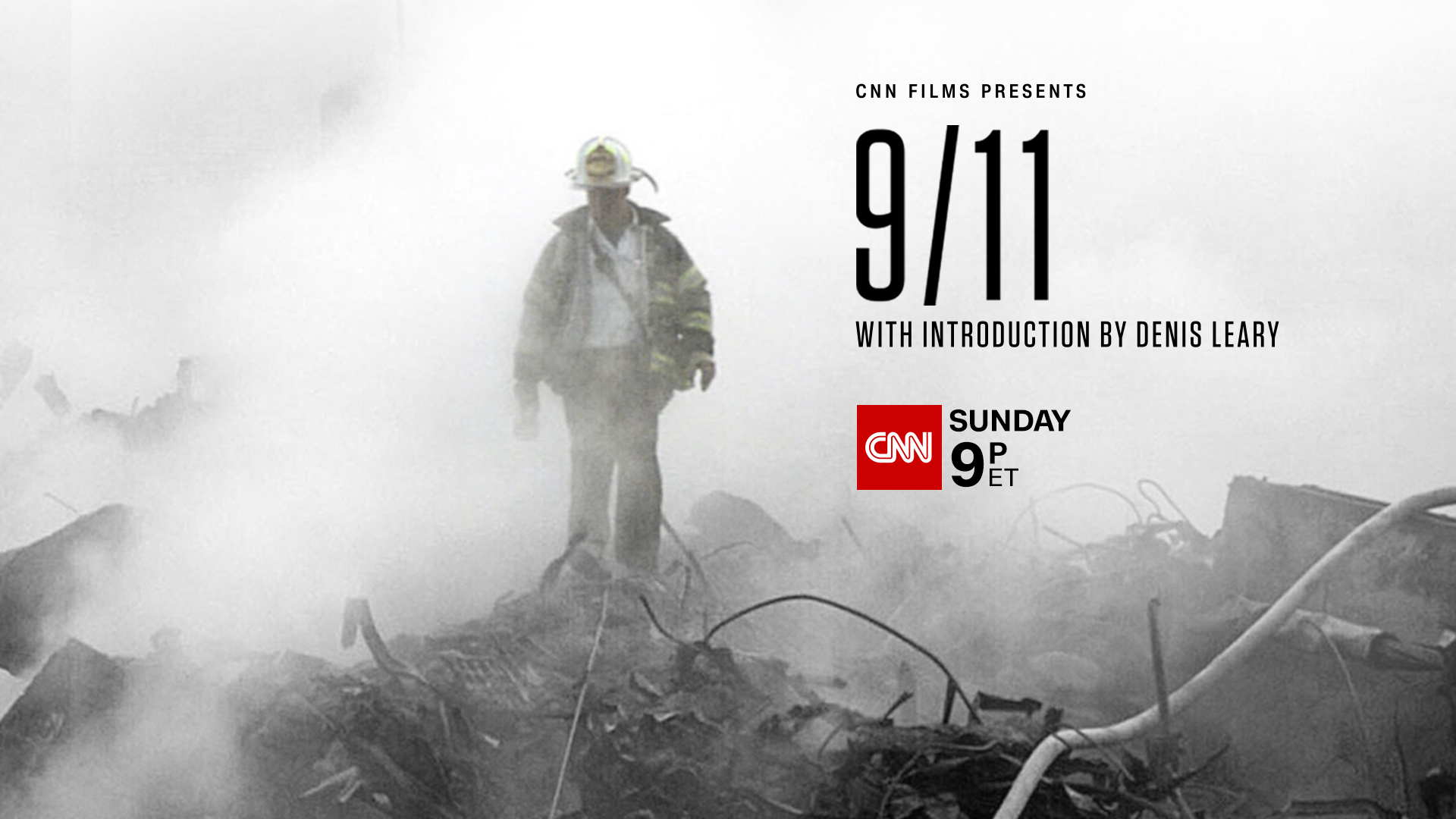
September 11, 2001, is a day we’ve seen from every possible angle, yet most films about it feel like they’re trying to sell you a specific emotion. Some go for the raw political angle. Others focus entirely on the heroism. But the Zero Hour 9/11 documentary, originally part of the Discovery Channel’s "Zero Hour" series, does something fundamentally different. It doesn't just tell you what happened; it traps you in the timeline.
It’s intense.
The documentary focuses on the final sixty minutes leading up to the impact of American Airlines Flight 11 into the North Tower. If you haven't seen it, the format is basically a ticking clock. It uses a split-screen technique that was super popular in the mid-2000s—think of the show 24, but for real life. This isn't just a stylistic choice. It’s a way to show the terrifying disconnect between the ordinary morning happening on the ground and the nightmare unfolding in the sky.
What Actually Sets the Zero Hour 9/11 Documentary Apart?
Most people looking for a Zero Hour 9/11 documentary are actually searching for the episode titled "Terror in New York." It’s a mix of dramatized reenactments and real-life footage. Now, I know what you’re thinking. Reenactments can sometimes feel cheesy or disrespectful when dealing with a tragedy this massive. But somehow, this production managed to keep it grounded.
They focused on specific people.
You follow Mohamed Atta and the hijackers as they go through airport security in Portland, Maine. It’s chilling because they look so... normal. They’re just guys with bags. Then the camera cuts to the air traffic controllers in Boston who are starting to realize something is horribly wrong. The dialogue isn't some scripted Hollywood drama; it’s based on the actual 9/11 Commission Report findings and cockpit voice recordings.
The contrast is the point.
While the hijackers are praying and checking their watches, the office workers in the World Trade Center are getting coffee. They're complaining about emails. They’re talking about the weather. It was a beautiful, crisp Tuesday morning. By layering these moments side-by-side, the film forces you to sit with the "what ifs." What if the gate agent had flagged the luggage? What if the communication breakdown between the FAA and NEADS hadn't happened so quickly?
The Accuracy of the "Terror in New York" Episode
Reliability matters here. When this was released around 2004, the 9/11 Commission Report was the "bible" for the production team. They didn't have to invent drama. The reality was already plenty high-stakes.
Take the Boston Center air traffic controller, Peter Zalewski. In the Zero Hour 9/11 documentary, the depiction of his interaction with Flight 11 is haunting. You hear the actual audio where Atta accidentally broadcasts to the ground instead of the cabin: "We have some planes. Just stay quiet and you'll be okay."
Zalewski's reaction in the film—that stunned silence followed by the frantic need to confirm what he just heard—is a beat-for-beat recreation of the actual events.
Why the "Zero Hour" Format Works for History
The series wasn't just about 9/11. It covered Chernobyl, the Columbine shooting, and the SAS embassy siege. The philosophy was simple: disaster is a chain of events. If you break one link, the whole thing stops.
By using the "Zero Hour" countdown, the documentary highlights the systemic failures. It’s not just a story about "evil men" doing an "evil thing." It’s a story about a system that wasn't prepared for a non-traditional threat. You see the confusion in the military sectors. You see the literal minutes ticking away while people try to figure out if this is a simulation or a real-life hijack.
Honestly, it’s a hard watch. But it’s an important one if you want to understand the "how" rather than just the "why."
Common Misconceptions About the Film
People often confuse this documentary with others like 9/11 by the Naudet brothers or United 93 by Paul Greengrass. Those are great, but they serve different purposes. The Naudet film is accidental history—they were filming a documentary about a rookie firefighter and ended up catching the only clear footage of the first plane hitting.
The Zero Hour 9/11 documentary is a forensic reconstruction.
Some critics back in the day argued that the reenactments were "too much." There’s a scene showing the hijackers in the cockpit that feels incredibly invasive. It’s uncomfortable to watch actors play out the final moments of the terrorists. However, historians often argue that visualizing these moments helps us understand the timeline better than a dry reading of a report ever could.
Where to Watch and What to Look For
Finding the full version of the Zero Hour 9/11 documentary today can be a bit of a treasure hunt. It pops up on YouTube under various titles, often uploaded by history buffs, or you can find it in the archives of various streaming services that carry Discovery or Cineflix content.
If you do find it, pay attention to the sound design.
The constant, low-frequency ticking of the clock is designed to keep your heart rate up. It mirrors the escalating tension in the FAA centers. It’s an effective, if slightly manipulative, piece of filmmaking that ensures you never forget the stakes of those sixty minutes.
The Technical Breakdown of Flight 11’s Path
One of the most valuable parts of this documentary is how it visualizes the flight path. Flight 11 didn't just fly straight. It turned. It deviated. It went dark.
- 7:59 AM: Departure from Boston Logan.
- 8:14 AM: The last routine communication. The pilot, John Ogonowski, doesn't acknowledge an instruction to climb.
- 8:21 AM: The transponder is turned off. This makes the plane a "primary target" only, much harder for controllers to track accurately.
- 8:46 AM: Impact.
The film shows how the "fog of war" isn't just for battlefields. It happens in office buildings in Virginia and control towers in New York. The documentary makes it clear that for a long time, nobody knew there were four planes. They were chasing ghosts.
Actionable Insights for Viewers
If you're going to sit down and watch the Zero Hour 9/11 documentary, don't just watch it for the shock value. Use it as a tool to understand historical context and crisis management.
- Watch the "Terror in New York" episode specifically. It is the definitive 9/11 entry in the series.
- Compare it to the 9/11 Commission Report. If you're a history nerd, seeing how they translated the dry text of the report into visual scenes is fascinating.
- Focus on the communication gaps. It’s a masterclass in how information silos can lead to catastrophe.
- Look for the small details. The production team was meticulous about the clothing, the technology of 2001 (bulky monitors, flip phones), and the overall vibe of the era.
The Zero Hour 9/11 documentary remains a staple of 2000s-era investigative filmmaking. It doesn't offer easy answers or political grandstanding. It just gives you the clock. And sometimes, the clock is the scariest part of the story.
To get the most out of this, look for the DVD sets of the "Zero Hour" Complete Series or check educational streaming platforms like CuriosityStream or Discovery+ which occasionally rotate these classic episodes back into their libraries. Reading the executive summary of the 9/11 Commission Report alongside your viewing will provide the necessary factual backbone to the dramatized scenes you see on screen.