You know that feeling when you finally sit down after a long day and somehow your lower back still feels like it’s carrying the weight of the world? It’s annoying. Honestly, most patio furniture is designed for "the look" rather than the actual human spine. That is exactly why the zero gravity outside chair became such a massive hit, shifting from a niche medical-adjacent product to a backyard staple.
The name sounds like marketing fluff. It isn’t.
NASA actually pioneered the concept. When astronauts are waiting for liftoff, they aren't sitting bolt upright or lying flat; they are in a neutral body position. This specific posture distributes weight across the body so that the stresses of takeoff don't snap anything important. When you translate that to a foldable chair on your deck, you’re basically trying to trick your body into thinking gravity has given up for the afternoon.
What Actually Happens to Your Body in a Zero Gravity Outside Chair?
Most people think "zero gravity" means you’re floating. You aren't. But in a high-quality zero gravity outside chair, your legs are elevated slightly above your heart level. This is the "Neutral Body Position" (NBP).
When you hit that 120-degree angle between your torso and thighs, something cool happens to your blood flow. Your heart doesn't have to pump quite as hard to get blood back up from your feet. If you struggle with swelling in your ankles after a long shift—edema, if we’re being fancy—this position is a game-changer. It’s a physical relief you can feel in your chest.
It’s about the discs, too.
Your spine is a series of shock absorbers. When you sit in a standard 90-degree kitchen chair, you’re compressing those discs. A zero gravity chair decompresses them. It's essentially a non-invasive way to let your vertebrae breathe. Dr. David P. Roye, Jr., a renowned orthopedic surgeon, has often discussed the importance of spinal alignment in reducing chronic pain. While he wasn't specifically pitching backyard gear, the mechanical principles of NBP are exactly what orthopedists look for in therapeutic seating.
The Materials Matter More Than the Brand
Don't get tricked by a fancy logo. Whether you're looking at a Caravan Canopy, a Best Choice Products model, or a high-end Lafuma, the skeleton and the "skin" of the chair dictate how long it lasts before it starts squeaking or, worse, rusting in the rain.
Most frames are powder-coated steel. That's fine. It’s durable. But if you live near the coast, salt air eats steel for breakfast. In those cases, you want aluminum. It's lighter. It's rust-resistant. It costs more, but you won't be throwing it in a landfill in two years.
Then there’s the fabric.
Textilene is the industry standard for a zero gravity outside chair. It’s a polyester yarn coated with PVC. Why do we care? Because it breathes. If you’ve ever sat on a plastic chair in July and felt your skin fuse to the seat, you know why breathability is a dealbreaker. Textilene lets the breeze through while being tough enough to handle UV rays without fading into a sad, brittle gray.
Some chairs use bungee cords to attach the fabric to the frame. Others use clip systems. Bungees are "kinda" the classic choice because they provide that elastic, hammock-like feel. The downside? They eventually stretch out. If you’re a DIY person, you can buy replacement cords for ten bucks and re-lace them like a sneaker. Clips are firmer and last longer but lack that specific "springy" sensation.
Weight Capacity and the "Tipping" Fear
Is it going to flip?
That is the number one question people ask when they see someone reclined all the way back. The physics are actually pretty solid. The center of gravity stays centered between the four points of the legs. However, weight limits are real. Standard chairs usually cap out at 250 or 300 pounds. If you need something sturdier, "oversized" or "XL" models are built with thicker gauge steel and can handle 400 to 500 pounds.
Don't push the limit.
A buckling frame is a quick way to turn a relaxing afternoon into an emergency room visit. Also, check the locking mechanism. Most chairs use a little ring or a lever under the armrest. If those locks are plastic and flimsy, the chair might slowly "creep" back to an upright position while you're trying to nap. That's a huge pet peeve for enthusiasts. Look for metal teeth in the locking mechanism if you can find them.
The Myth of the "Permanent" Outdoor Chair
Here is some honest truth: no "outside" chair should stay outside 365 days a year if you want it to last.
Even the best zero gravity outside chair with UV-resistant fabric will eventually succumb to the elements. Rain gets into the hollow tubes of the frame, sits there, and starts the oxidation process from the inside out.
- Fold it up when a storm is coming.
- Store it in a garage or shed during winter.
- Wash the salt and pollen off with a hose once a month.
It’s basic maintenance, but most people skip it. Then they wonder why their $150 investment is crunchy and stiff by the following spring.
Beyond the Backyard: Real World Uses
These aren't just for patios anymore. You’ll see them at tailgates, though they are a bit bulky to carry. You'll definitely see them at campsites. Reflexologists and mobile massage therapists actually use professional-grade zero gravity chairs because they are portable and put the client in the perfect position for foot work.
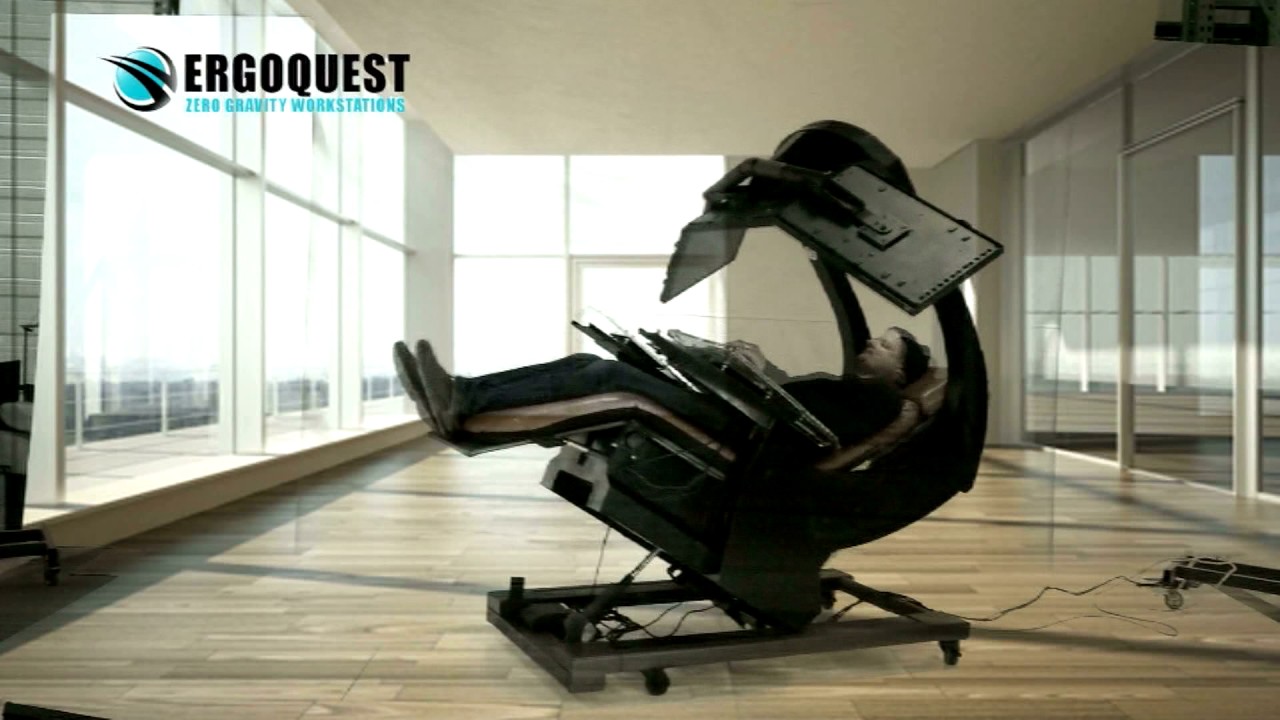
Even gamers have started swapping out their "racing style" desk chairs for these in their dens. Why? Because if you’re playing for four hours, being able to kick back and take the pressure off your tailbone is a massive advantage.
Making the Right Choice
When you’re shopping, don't just look at the price tag. Sit in it. Or, if you’re buying online, look at the dimensions of the seat width. A "standard" chair is often 20 to 22 inches wide. If you like to wiggle around or have broader shoulders, you will feel cramped. Go for the 26-inch or 30-inch wide models.
Check for the accessories too. A side tray for a drink and a phone is basically mandatory. A headrest that can slide down to become a lumbar support pillow is a pro tip—sometimes your neck doesn't need the cushion as much as the small of your back does.
Actionable Steps for Longevity and Comfort:
- Test the Lock: Before you commit, recline fully and apply a little pressure with your back. If the chair slips even an inch, the locking mechanism is weak. Pass on it.
- Lubricate the Joints: Use a silicone-based lubricant spray on the pivot points once a season. It prevents that "haunted house" creaking sound.
- Check the Bungees: Give the elastic cords a tug. If they look frayed or have lost their "snap," order a replacement kit immediately. It’s safer than waiting for a snap while you’re mid-nap.
- Mind the Sun: Even with UV protection, dark fabrics (black, navy, dark green) will absorb more heat and fade faster. Light grays or tans stay cooler to the touch in direct sunlight.
- Height Check: If you are over 6'2", make sure the "total length" of the chair is at least 70 inches. Otherwise, your feet will hang off the bottom bar, which totally ruins the ergonomic benefit of the heart-above-legs position.
The zero gravity outside chair isn't a miracle cure for back pain, but it is one of the few pieces of furniture that actually works with your anatomy rather than against it. Treat it well, keep it dry, and it’ll probably be the best seat in the house—even if it’s technically outside the house.