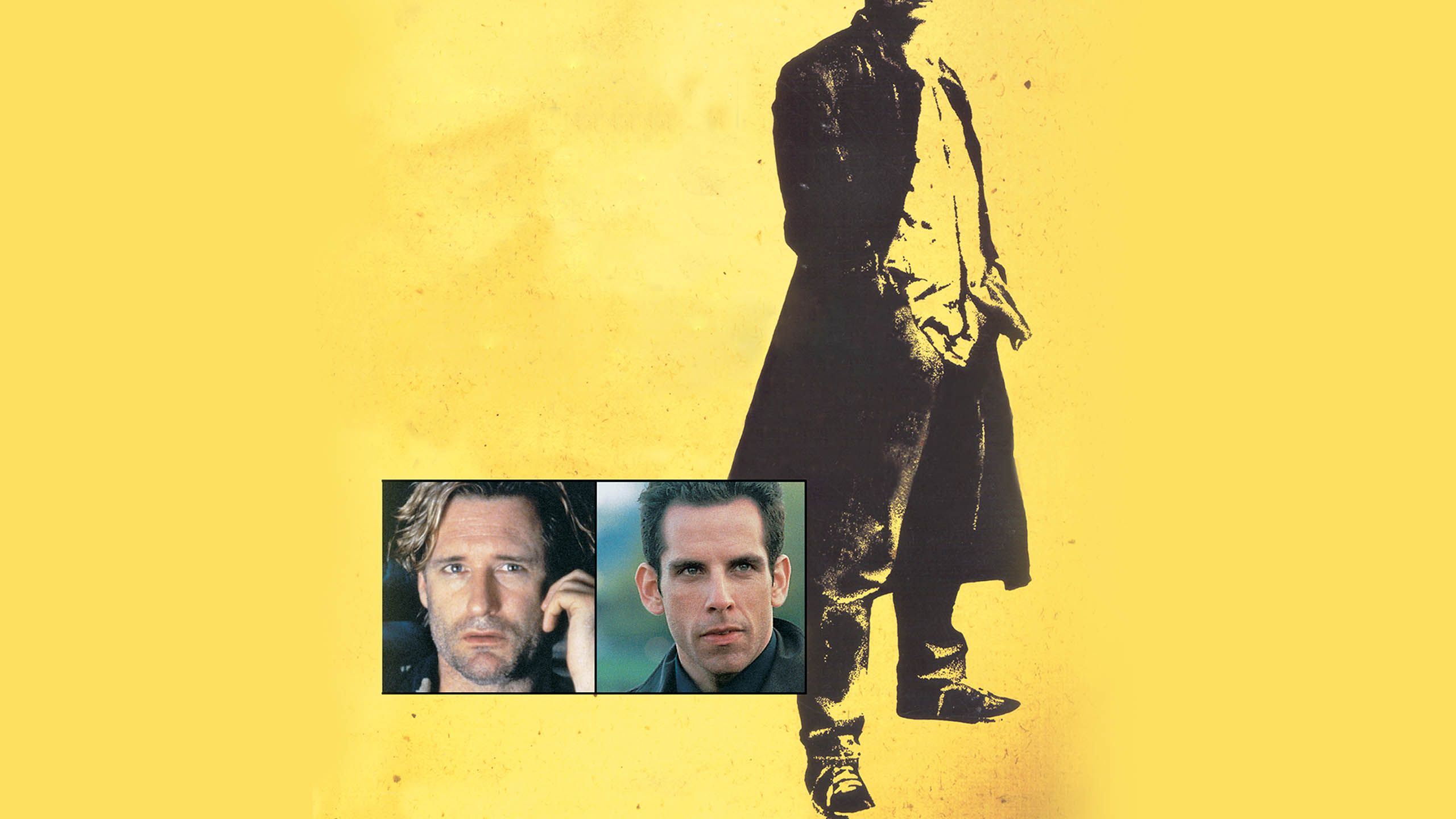
It is 1998. The box office is drowning in the wake of Titanic. Amidst the blockbusters, a small, weird, whip-smart detective flick slides into theaters and promptly vanishes. That movie was Zero Effect. If you haven’t seen it, you’re missing out on what might be the most realistic—and simultaneously most absurd—depiction of a "genius" ever put to film.
Bill Pullman plays Daryl Zero. He’s the world’s greatest private investigator, but he’s also a paranoid shut-in who writes bad pop songs and can’t talk to people without a script. It’s a subversion of Sherlock Holmes that feels more honest than anything Benedict Cumberbatch ever did. While most movie detectives are cool and suave, Zero is basically a functional disaster who happens to be terrifyingly good at observation.
I’ve watched this movie probably a dozen times. Every time, I catch something new in the dialogue. Jake Kasdan, who wrote and directed this when he was only 23 (which is frankly insulting to the rest of us), managed to create a neo-noir that cares more about the cost of being a genius than the actual crime. It’s a cult classic for a reason.
The Daryl Zero Method and Why It Still Works
The plot is loosely—and I mean loosely—based on Arthur Conan Doyle’s "A Scandal in Bohemia." But instead of the King of Bohemia, we get Gregory Stark, a millionaire played by Ryan O'Neal who is being blackmailed over a lost key.
Zero doesn't do "clues" in the traditional sense. He has a philosophy. He calls it the "Zero Effect." It’s based on two primary pillars:
- Objectivity is everything.
- Never develop a personal attachment to a case.
He tells his assistant, Steve Arlo (played by a wonderfully frustrated Ben Stiller), that the key to solving any crime is to never care about the outcome. If you care, you're biased. If you're biased, you're wrong. It’s a cold, clinical way to live, and the movie spends its entire runtime systematically breaking that philosophy down.
Honestly, the chemistry between Pullman and Stiller is the backbone here. Stiller isn't playing a bumbling Watson; he's playing a guy who is tired of his boss's crap. He wants to quit. He wants a normal life with his girlfriend. He’s the audience surrogate who reminds us that being around a "genius" is actually a nightmare.
A Mystery That Actually Respects Your Intelligence
Most mysteries cheat. They hide information from the viewer and then reveal it in a 5-minute monologue at the end. Zero Effect doesn't do that. Everything Zero sees, you see.
When Daryl meets the primary suspect, Gloria Sullivan (Kim Dickens), he’s immediately thrown off his game. Why? Because she’s just as smart as he is. Maybe smarter. She’s a paramedic who doesn't fit the "femme fatale" trope at all. She’s just a person with her own secrets.
The movie treats the investigation like actual work. There are long sequences of Zero just watching people. No high-speed chases. No gunfights. Just a guy in a bad wig sitting in a car eating cold fast food and thinking. It’s methodical.
Why the 90s Aesthetic Matters
There is a specific vibe to late-90s indie cinema that Zero Effect captures perfectly. It’s that grainy, slightly desaturated look that makes Portland, Oregon, look like a place where secrets go to die. The soundtrack is also a time capsule. It features Dan Bern and Esthero, and Pullman’s character actually writes the songs he performs in the movie. It adds this layer of "sad loner" energy that defines Daryl Zero.
The Trouble With Being a Genius
We love the "jerk genius" trope now. House, Sherlock, Rick Sanchez—they all owe a debt to Daryl Zero. But Zero Effect is more interested in the loneliness of that trope. Zero lives in a literal fortress of solitude. He communicates with the world through a mail slot.
There's a scene where Zero tries to have a "normal" date with Gloria. He has to write down conversation topics on his hand. It’s painful to watch. It’s a reminder that the same brain that can deduce a man's entire life history from the scuff marks on his shoes is the same brain that can't figure out how to say "hello" without sweating.
Critics at the time, like Roger Ebert, pointed out that the movie is really an anti-mystery. Ebert gave it three stars, noting that while the plot is fine, the character study is where the real meat is. He was right. You don't watch Zero Effect to find out what the key opens. You watch it to see if Daryl Zero can ever become a real human being.
Why Didn't It Become a Franchise?
It was supposed to. There was even a pilot for a Zero Effect TV show starring Alan Cumming that was filmed a few years later. It didn't get picked up.
Maybe the world wasn't ready for a detective who spends half his time writing folk songs and the other half hiding in hotel rooms. Or maybe the movie is just too singular. It’s a weird mix of comedy, drama, and thriller that defies easy marketing.
In a world of cinematic universes, there’s something refreshing about a movie that just is. It doesn't set up a sequel. It doesn't have a post-credits scene. It just tells a story about a guy who is very good at one thing and very bad at everything else.
What You Can Learn from Daryl Zero
If you're a writer, a researcher, or just someone who likes to overanalyze things, Daryl Zero is your patron saint. His "Method" is actually a pretty decent way to look at the world.
- Observe everything, assume nothing. - The most obvious answer is usually a lie someone told you. - Personal bias is the enemy of truth.
But the movie also offers a warning: if you live entirely in your head, you eventually lose the ability to live anywhere else.
How to Watch Zero Effect Today
Finding this movie can be a bit of a treasure hunt. It’s not always on the major streaming platforms. You might have to go the digital rental route or track down an old DVD.
- Check the "Hidden Gems" sections on platforms like Tubi or Pluto TV; it pops up there occasionally for free with ads.
- Look for the physical media. The DVD often has some great commentary tracks that explain how they pulled off the low-budget look.
- Pay attention to the background. The movie is dense with visual jokes and subtle clues that you’ll miss if you’re scrolling on your phone.
If you want a mystery that feels like a conversation with a brilliant, slightly unhinged friend, Zero Effect is the one. Stop looking for the next big Marvel movie and spend two hours with a detective who wears a fake mustache just to go to the grocery store. It’s worth it.
Actionable Insight: The next time you’re stuck on a problem—whether it’s at work or in your personal life—try the Zero Method. Strip away what you want to be true and look only at the cold, hard facts. You might find that the solution was staring you in the face the whole time, hidden behind your own expectations. Just don't start writing bad folk songs about it.