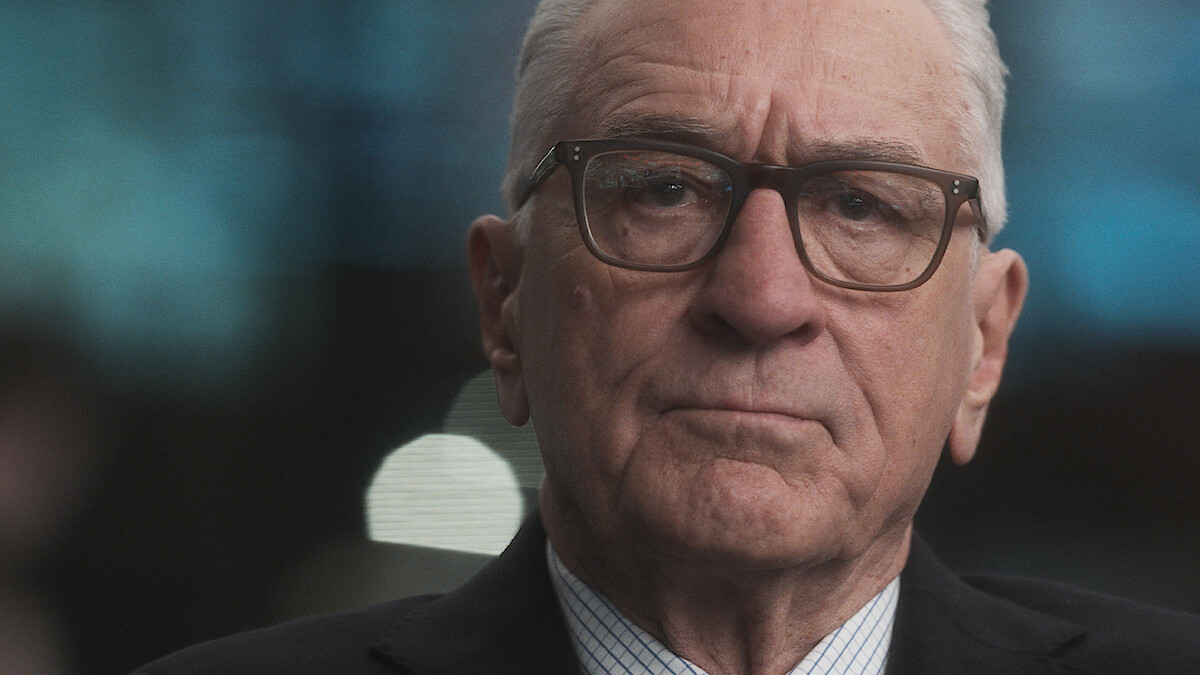
Robert De Niro doesn't just do TV for the sake of it. When the news broke that he was leading a massive political thriller for Netflix, the hype train left the station at full speed. People are already asking about Zero Day Season 2 before the first batch of episodes has even finished buffering on most screens. It’s understandable. We live in a world where the line between a cyberattack and a declaration of war is paper-thin.
The reality of the streaming industry is often colder than the thrillers it produces. Netflix has a specific way of doing things. They look at the data. They look at the "completion rate." If people aren't finishing the first season within the first twenty-eight days, the chances of a second season start to drop faster than a compromised stock market.
The State of Play for Zero Day Season 2
Is it happening? Honestly, nobody knows for sure yet. Netflix officially billed Zero Day as a "limited series." In the world of prestige TV, that’s usually code for "one and done." But we’ve seen this movie before. The White Lotus was a limited series. Big Little Lies was a limited series. If the audience shows up in droves, "limited" becomes "anthology" or simply "ongoing" pretty quickly.
The show centers on George Mullen, played by De Niro, a former president pulled out of retirement to head a commission investigating a devastating global cyberattack. It’s heavy stuff. It’s also expensive. Hiring De Niro, Angela Bassett, and Jesse Plemons isn't cheap. For Zero Day Season 2 to become a reality, the viewership numbers need to justify a budget that likely rivals a small country's GDP.
You also have to consider the creators. Eric Newman and Noah Oppenheim are industry heavyweights. Newman is the guy behind Narcos, a show that Netflix kept running for years because it had a built-in, dedicated fanbase. If they’ve pitched a multi-season arc, Netflix might have already signed a secret deal. But right now? We are in the "wait and see" zone.
Why the Tech in the Show Feels So Real
One reason people are already clamoring for more is the accuracy. Or, at least, the terrifying plausibility. Most "hacker" shows are nonsense. They show green text scrolling down a screen and a guy in a hoodie saying "I'm in." Zero Day feels different. It taps into the actual anxieties of 2026.
A "zero day" is a real thing. It’s a vulnerability in software that is unknown to those who should be interested in mitigating the vulnerability—like the developer. Basically, the hackers have had "zero days" to fix it. When you build a show around that concept, you have an endless supply of plotlines.
Real-World Inspirations
- The Stuxnet Worm: This was a real-world cyber weapon that physically destroyed centrifuges. It proved that code can break things in the physical world.
- The 2014 Sony Hack: This showed how a private company could be dismantled by a nation-state.
- Power Grid Vulnerabilities: Experts like Nicole Perlroth, author of This Is How They Tell Me the World Ends, have been warning about this for years.
If the writers want to move forward with Zero Day Season 2, they won't run out of material. The headlines provide a new script every single week.
The De Niro Factor and Casting Hurdles
Let’s talk about the elephant in the room. Robert De Niro is a legend. He’s also 82. While he’s shown no signs of slowing down—just look at Killers of the Flower Moon—the physical and time demands of a recurring TV series are massive. Most actors of his caliber prefer the limited series format because it allows them to do "cinema-quality" work without the five-year commitment of a traditional network show.
If the show returns, does Mullen stay the lead? Or does Zero Day Season 2 pivot?
There’s a strong argument for an anthology approach. Imagine a season focused on a different global crisis, with a different lead. Maybe Angela Bassett’s character takes the reins. Or perhaps we follow the hackers themselves. This would allow the brand of the show to continue without tethering it to a single actor’s availability. It’s a smart move. It’s also a move that keeps the "limited series" prestige intact while satisfying the Netflix algorithm's hunger for more content.
What Fans Are Misunderstanding About the Ending
Without giving away every single spoiler, the conclusion of the first season is designed to provoke. It’s not a neat bow. Some people hate that. They want every thread tied up. But in the world of high-stakes intelligence, there is no "happily ever after." There is only the next threat.
The ambiguity is the point. It reflects the murky world of disinformation. If you’re looking for a definitive "villain caught" moment, you might be watching the wrong show. Zero Day Season 2 would likely double down on this. It would explore the fallout of the commission’s findings. It would look at how the public reacts when they realize their digital lives are built on sand.
Production Timelines: When Would We Actually See It?
If Netflix greenlights a sequel tomorrow, don't expect it anytime soon. Scripting a show this dense takes time. Pre-production, filming across global locations, and the extensive post-production required for a tech-heavy thriller usually take 18 to 24 months.
- Announcement: Likely mid-2026 if the numbers hold up.
- Writing: Would take us through the end of the year.
- Filming: Early 2027.
- Release: Possibly late 2027 or early 2028.
It's a long game. Streaming services are moving away from the "season every year" model because it’s impossible to maintain quality. They'd rather have a hit every two years than a flop every twelve months.
How to Track Official Updates
Stop following "leak" accounts on X (formerly Twitter). Most of them are just chasing engagement. If you want the real story on Zero Day Season 2, you need to watch the trades. The Hollywood Reporter, Variety, and Deadline are the only sources that matter. When a contract is signed, they’re the first to know.
Also, keep an eye on Netflix’s "Tudum" site. They use it to announce renewals during their global fan events. If the show doesn't appear there by the end of the next quarter, the "limited series" tag is probably going to stay permanent.
Actionable Steps for the Conspiracy-Minded Viewer
While you wait for news, the best thing you can do is actually learn about the themes the show presents. It's rare that a piece of entertainment is this educational.
- Audit your digital footprint: The show makes it clear how easy it is to be tracked. Use a password manager. Enable 2FA on everything.
- Read the source material inspirations: Check out books like Ghost in the Wires by Kevin Mitnick or the aforementioned work by Nicole Perlroth. They are scarier than the show because they aren't fiction.
- Watch the completion rates: If you want a second season, tell your friends to finish the first one. Netflix tracks how many people drop off after episode three. If the "drop-off" is high, the show is dead.
- Explore similar titles: If you finished the show and have a void in your life, go back and watch The Conversation (1974) or Three Days of the Condor. These are the DNA of Zero Day.
The future of the series is in the hands of the viewers and the data analysts in Los Gatos. Whether George Mullen returns to our screens or remains a one-time legend of the limited series format, the questions the show raises about our security aren't going away. They’re only getting more urgent.