Robert De Niro has done almost everything in his career, but he’s never done a TV lead. Until now. People are scrambling to figure out what Zero Day on Netflix is about, mostly because the trailers look like a mix of Succession and a high-stakes Tom Clancy novel. It’s a conspiracy thriller, sure. But it’s also a weirdly grounded look at how easily the world could actually break.
We’ve all seen "the end of the world" on screen. Usually, it's zombies or nukes. This is different.
The Core Premise: A World Without a Pulse
So, what is the show actually doing? At its heart, the series centers on a massive, devastating global cyberattack. We're talking about the kind of digital blackout that doesn't just crash your Instagram—it shuts down the power grid, erases bank balances, and makes the basic infrastructure of modern life vanish in a weekend.
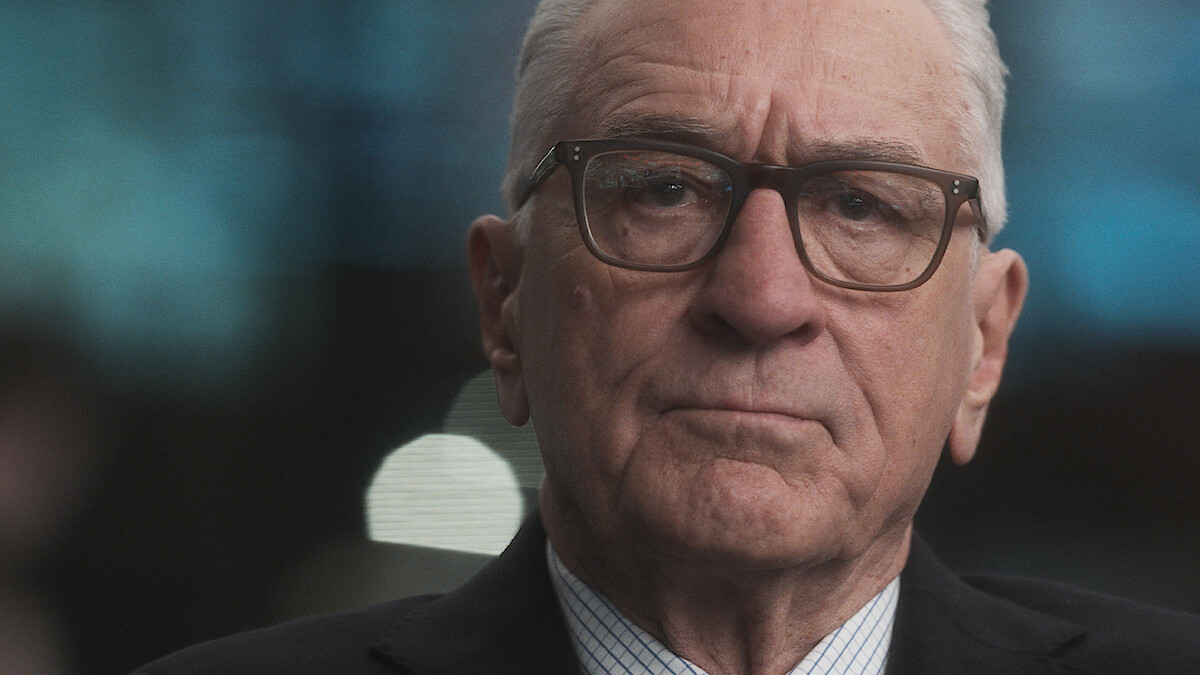
De Niro plays George Mullen. He’s a former U.S. President who is essentially pulled out of retirement to lead a commission investigating the attack. He’s the guy who has to find out who did it, how they did it, and whether the call is coming from inside the house.
Honestly, the "Zero Day" title refers to a zero-day vulnerability. In the tech world, that’s a security hole that the developers have had "zero days" to fix because they didn't even know it existed until it was exploited. It's the ultimate nightmare for cybersecurity experts.
Why Robert De Niro Picked This Project
De Niro is picky. You don’t get him to commit to a multi-episode limited series unless the script has some serious meat on the bones. He’s joined by a massive cast, including Angela Bassett, Lizzy Caplan, and Jesse Plemons.
The show was co-created by Eric Newman (the guy behind Narcos) and Noah Oppenheim. They also brought in Michael S. Schmidt, a real-life Pulitzer Prize-winning journalist from The New York Times who covers national security. That matters. It means the "tech" talk isn't just word salad. It’s based on actual vulnerabilities that the government is terrified of right now.
George Mullen: Not Your Typical Hero
Mullen isn’t a flawless leader. He’s a man with a legacy that is, frankly, a bit complicated. As he digs into the cyberattack, his own past decisions start to haunt the investigation. It’s less about a hero saving the day and more about a flawed statesman trying to prevent a total societal collapse while his own secrets are leaking out.
The pacing isn't "action movie" fast. It’s "paranoia" fast. You’re meant to feel the walls closing in.
The Reality of the "Zero Day" Threat
Is this just fiction? Not really. The show leans heavily into the concept of "disinformation" and how a digital attack is often just the distraction for a much larger political play.
Think back to the real-world Colonial Pipeline hack or the Stuxnet virus. Those were small-scale compared to what happens in this show, but they proved the point: our entire civilization is held together by code that most of us don't understand. If someone pulls the right thread, the whole sweater unspools.
- The Power Grid: Gone.
- The Financial Markets: Frozen.
- Communication: Dead.
The show explores the "day after" the digital lights go out. It asks a pretty terrifying question: who do we become when we can’t trust the information on our screens?
Dissecting the Political Landscape of the Show
The series doesn't just focus on the keyboard side of things. It spends a lot of time in the Situation Room. Angela Bassett plays the current President, and her dynamic with De Niro’s character is one of the best parts of the show. There's a lot of ego involved.
They’re trying to manage a panicked public while fighting off invisible enemies. Is it Russia? China? A domestic group? Or just one kid in a basement with a terrifyingly effective piece of malware?
A Cast That Elevates the Stakes
Lizzy Caplan plays Mullen’s daughter, who is a documentary filmmaker. Her perspective provides a "ground-level" view of the crisis, contrasting the high-level political maneuvering. Jesse Plemons is, as usual, unsettlingly good in his role as a power player with his own agenda.
The chemistry works because it feels like a family drama wrapped in a national security crisis.
What the Show Gets Right About Cybersecurity
Most tech thrillers are embarrassing to watch if you know anything about computers. They have people "hacking" by typing really fast on a green-text screen. Zero Day on Netflix avoids most of those tropes.
It focuses on the social engineering aspect of hacking. It’s about how people are the weakest link in any security chain. You don’t need to crack a 256-bit encryption if you can just trick a tired admin into clicking a link or exploit a grudge held by a former employee.
It’s about the vulnerability of truth.
Navigating the Plot Twists
Without giving away the ending, you should expect the narrative to shift underneath you. Just when you think you’ve identified the "villain," the show introduces a new layer of the conspiracy. It’s built for binge-watching because every episode ends with a piece of the puzzle that makes the previous piece look completely different.
The cinematography is cold, sharp, and slightly claustrophobic. It mirrors the feeling of being watched, which is a constant theme throughout the series.
Critical Reception and What to Expect
Early buzz suggests that this is Netflix's attempt at a high-brow "prestige" drama. It’s not a mindless thriller. You have to pay attention to the dialogue. There are long scenes of people talking in rooms, but the stakes make those conversations feel like a ticking time bomb.
Some might find the cynicism of the show a bit overwhelming. It doesn't have a particularly rosy view of human nature or the stability of our institutions. But in 2026, that feels more like realism than pessimism.
Actionable Takeaways After Watching
If the show leaves you feeling a bit paranoid about your own digital footprint, that’s probably the point. While you can't stop a state-sponsored cyberattack on the power grid, there are things you can do to mirror the "best practices" mentioned in the show's subtext.
First, stop using the same password for everything. Seriously. The show highlights how "credential stuffing" can lead to total life-ruin. Second, get a physical backup of your most important documents. If the "Zero Day" event actually happened, your cloud storage would be useless.
Finally, be skeptical of everything you see during a crisis. The show’s biggest lesson is that the first casualty of a cyberattack isn't the data—it's the truth.
Final Summary of the Series
Zero Day on Netflix is a tight, well-acted, and deeply unnerving look at the fragility of the modern world. It uses the "cyber-thriller" genre to explore much deeper themes of legacy, power, and the terrifying speed at which society can collapse when the digital tether is cut. Robert De Niro delivers a performance that reminds everyone why he’s a legend, grounding a complex plot in human emotion.
If you’re looking for a show that makes you think as much as it makes you sweat, this is the one to add to your queue. Just maybe don't watch it right before you try to do your online banking.
Next Steps for the Viewer:
- Check your 2FA settings: Ensure you aren't relying solely on SMS-based two-factor authentication, which the show correctly identifies as a major vulnerability.
- Verify the Cast: Look into the work of Michael S. Schmidt to see the real-world reporting that inspired the show's grounded tone.
- Watch the Trailer again: Now that you know about George Mullen’s background, the small details in the background of the opening scenes will make much more sense.