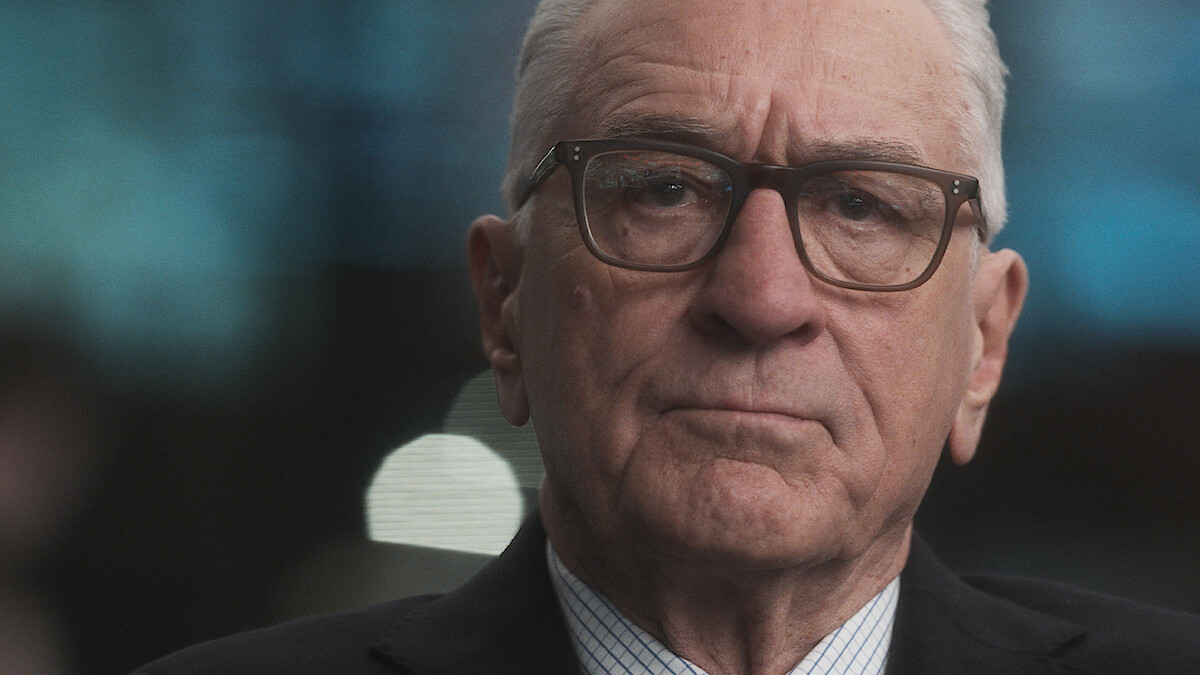
Robert De Niro hasn't done TV in forever, so when he showed up for this, people noticed. It’s gritty. It’s loud. Honestly, it’s terrifying because it feels like it could actually happen tomorrow. If you’ve been hunting for a zero day episode recap, you’re probably trying to make sense of that chaotic opening hour where everything we take for granted—phones, power, the internet—just stops.
The show hits different. It isn't just another spy flick. For an alternative look, consider: this related article.
The Chaos of the First Hour
The premiere sets the stage with George Mullen, played by De Niro, who is a former President pulled out of a quiet, somewhat grumpy retirement. Why? Because the United States just got hit by a massive cyberattack that makes a simple power outage look like a joke. Imagine every screen in the country going dark, then flickering back to life with a cryptic message. No one knows who did it. The theories fly fast: Russia, China, some kid in a basement, or maybe an inside job.
Mullen is tasked with leading a commission to find the truth. It's a callback to things like the 9/11 Commission, but with way more digital paranoia. Further coverage on this matter has been provided by IGN.
The atmosphere is thick. You can almost smell the old paper and expensive scotch in the rooms where these powerful people argue. The tension between Mullen and the current administration is palpable. They don't like him. He doesn't particularly care for them. It’s a messy, ego-driven political landscape where the truth is basically a secondary concern compared to looking "strong" on camera.
One of the most striking things about this zero day episode recap is how it handles the "blackout" scenes. Most shows go for big explosions. This show goes for the eerie silence of a dead smartphone. It’s way more relatable. When the GPS fails and people start wandering into traffic, you realize how fragile the whole system is.
Mullen’s Mission and the Wall of Lies
As Mullen starts digging, he realizes he isn't just fighting hackers. He's fighting his own legacy. The script does a great job of showing that he wasn't a perfect president. He has skeletons. Big ones.
His daughter, played by Lizzy Caplan, adds a layer of family drama that actually matters to the plot. She’s a journalist. She’s skeptical of her father’s "hero" narrative. Their interactions are sharp and often uncomfortable. It's not the usual "I love you, Dad" TV trope. It's more like "I know what you did, and I'm watching you."
The Commission Begins
- The room is filled with bureaucrats who want to go home.
- Mullen demands access to "The Vault," a classified data center that supposedly holds the key to the breach.
- The current President’s Chief of Staff tries to block him at every turn.
Politics is a blood sport here. The dialogue is snappy, sometimes overlapping, making it feel like a real West Wing hallway conversation but with much higher stakes. Mullen isn’t just looking for a "who-done-it." He’s looking for the "why."
Is it about money? No. Is it about power? Always. But there’s a third element: disinformation. The show explores how easily a lie travels around the world while the truth is still putting on its shoes. By the time Mullen finds a lead, the public has already moved on to a dozen different conspiracy theories.
The Technical Reality of a Zero Day
For those who aren't tech nerds, a "Zero Day" refers to a vulnerability in software that the creators don't know about yet. Hackers have "zero days" to fix it before it gets exploited. In the show, this vulnerability is systemic. It's not just a bug in an app; it's a bug in the American infrastructure.
The realism is what gets you. Writers worked with actual cybersecurity experts to ensure the jargon wasn't just "technobabble." When they talk about server farms and cascading failures, it carries weight.
One scene stands out: Mullen sits in a room with a young hacker who explains that the attack wasn't a "hit." It was a "test." This sends chills down your spine. If this was just the test, what does the real exam look like? This realization shifts the entire tone of the episode from a mystery to a race against time.
Why This Recap Matters for the Rest of the Season
You can't just watch the first episode and walk away. It plants seeds everywhere. Look at the background characters—the assistants, the security guards, the techies. Nobody is who they seem. The show plays with the idea of the "Deep State" without falling into the trap of being a tinfoil-hat conspiracy fest. It stays grounded in the reality of institutional failure.
Mullen’s health is also a factor. He’s older. He’s tired. He’s struggling to keep up with a digital world that moves at light speed. This creates a fascinating contrast: the old-school statesman trying to solve a new-school crisis.
The episode ends on a cliffhanger that isn't a "bomb about to go off" type of thing. Instead, it’s a revelation about Mullen’s own involvement in a past event that might have triggered this entire mess. It’s a gut punch. It forces the audience to question if the guy we’re rooting for is actually the one to blame.
Practical Insights for Your Next Rewatch
To truly get the most out of this zero day episode recap, you should go back and look at the "glitch" screens. There are frames hidden in the static. They aren't just random; they contain strings of code and names that reappear in later episodes.
- Watch the background news tickers. They often report events that the main characters haven't reacted to yet.
- Pay attention to the color palette. When things are "safe," the lighting is warm. When the cyber-threat looms, the screen turns a cold, sterile blue.
- Listen to the sound design. The hum of electronics is a constant character in this show. When it stops, pay attention.
The show reminds us that we are all one bad line of code away from total chaos. It's a sobering thought. If you're following the series, keep a close eye on the relationship between Mullen and the tech moguls he interacts with. They have more power than the government, and they know it.
The next step for any viewer is to dive into the second episode with a focus on "The Architect." This character is mentioned briefly in the first hour but becomes the central antagonist quickly. Identifying the Architect's motive is the real puzzle of the season. Look for references to "Project Mercury"—it's the key to understanding why the grid was targeted in the first place.