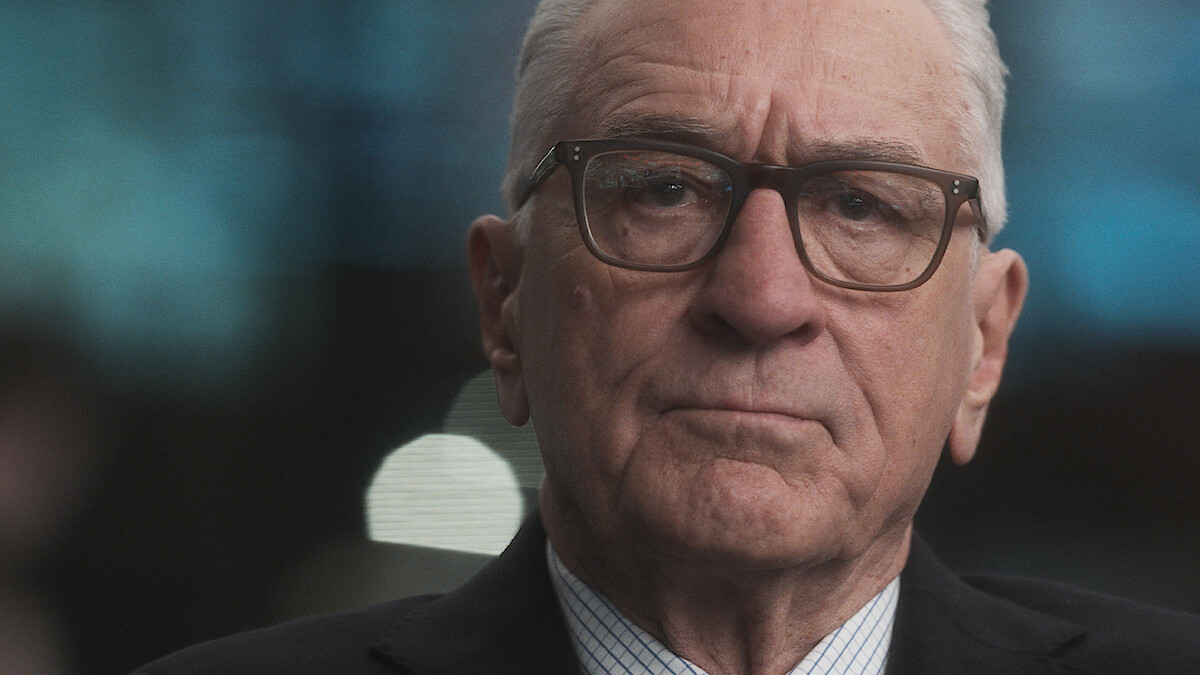
The tension in Zero Day has been building like a pressure cooker for weeks, and honestly, the finale does not play it safe. If you’ve been following George Mullen’s desperate scramble to find the source of the devastating cyberattack that paralyzed the United States, you knew this wasn't going to end with everyone shaking hands. It's messy. It's loud. By the time the credits roll on the Zero Day episode 6 recap, the landscape of the show's political world is permanently scarred.
Everything starts with a whisper and ends with a roar. Mullen, played with that signature weary grit by Robert De Niro, is no longer just looking for a hacker; he’s looking for a mirror. He’s looking at the institutions he spent his life defending and realizing they might be the very things that invited the wolf into the house.
The Truth About the Breach
We finally get the answer to the question that’s been haunting the series: who actually triggered the blackout? It wasn’t just some faceless entity in a basement in Moscow or a rogue state actor. The truth is much more localized and, frankly, much more depressing. The vulnerability wasn’t just in the code. It was in the human ego.
Mullen discovers that the "Zero Day" exploit was a backdoor he himself had authorized years prior under a different administration. It was meant to be a "break glass in case of emergency" tool for American intelligence. But tools don't have loyalty. They just have users. The realization hits him hard. It’s a moment of profound irony that the very security measures he championed became the weapon used to dismantle the power grid and throw the country into chaos.
You see him sitting there, the weight of the world on his shoulders, realizing that his legacy is essentially a blueprint for national collapse. It's a gut punch.
A Web of Betrayal
The finale doesn't just focus on the tech side of things. The political maneuvering is where the real blood is spilled. We see the President’s administration scrambling to find a scapegoat because, in Washington, a solution matters less than a target.
- The tension between Mullen and the Director of National Intelligence reaches a breaking point.
- The tech mogul who claimed to be an ally is revealed to have been playing both sides to drive up the value of his private security contracts.
- Even Mullen’s closest confidants start to look like strangers under the harsh light of a national crisis.
The pacing of this episode is frantic. One minute we’re in a sterile situation room, and the next, we’re following a lead into a dark corner of the dark web that feels genuinely dangerous. There’s a specific scene involving a data center that feels like a ticking time bomb. The sound design alone—that low-frequency hum of servers—creates an atmosphere of pure dread.
The Cost of the Fix
To stop the cascading failure of the country's infrastructure, Mullen has to make a choice that contradicts his entire moral compass. He has to trade one kind of silence for another. It’s a classic "lesser of two evils" scenario, but the show treats it with the gravity it deserves. There are no clean hands left by the end of this Zero Day episode 6 recap.
The resolution isn't a victory. It’s a ceasefire. The power comes back on, sure, but the trust is gone. People are still standing in lines for bread, the markets are in a tailspin, and the social fabric is frayed beyond immediate repair. Mullen’s final conversation with his daughter is perhaps the most telling moment of the series. He tries to explain why he did what he did, but the words fall flat. He saved the system, but he lost the people.
Why the Ending Is Divisive
A lot of viewers are going to be frustrated by how much is left hanging. We don't get a neat "where are they now" montage. Instead, we get a haunting shot of the DC skyline, partially lit, partially dark. It’s a metaphor for the state of the union. Some might call it a cliffhanger; others will see it as a realistic depiction of how these things actually go. There is no "back to normal" after a Zero Day event.
The show leans heavily into the idea that our reliance on digital infrastructure is our greatest vulnerability. It’s not a new message, but the way Zero Day delivers it—through the lens of a man who helped build that very infrastructure—makes it feel personal. It’s about the hubris of thinking we can control the chaos we create.
Key Takeaways from the Finale
The episode leaves us with some pretty heavy things to chew on regarding our current technological climate. First, the concept of "security through obscurity" is dead. If a backdoor exists, someone will find it. Second, the line between private tech interests and national security has become so blurred that it's almost impossible to tell where one ends and the other begins.
- Trust is the ultimate currency. Once the public loses faith in the systems meant to protect them, the physical infrastructure becomes secondary.
- Accountability is rare. The people who paved the way for the disaster are often the ones tasked with fixing it, leading to a cycle of covered-up mistakes.
- The "Zero Day" isn't a date; it's a state of being. We are constantly living in the window between a vulnerability being discovered and it being patched.
If you’re looking for a show that tells you everything is going to be okay, this isn't it. But if you want a gritty, cynical, and unfortunately plausible look at how the world could stop spinning in a heartbeat, then this finale delivered exactly what it needed to.
To really understand the implications of the finale, it’s worth revisiting the earlier episodes to see the breadcrumbs Mullen missed. Pay close attention to the way the "Zero Day" exploit was discussed in the pilot; the foreshadowing is much clearer once you know the ending. Look for the subtle mentions of the "Prometheus Protocol"—it’s the key to the whole mess.
Moving forward, the best way to process this ending is to look at the real-world parallels. Cybersecurity experts often point out that our power grids and water systems are aging and increasingly connected to the internet. The show might be fiction, but the vulnerabilities it exploits are very real. Staying informed about digital privacy and the security of local infrastructure isn't just for tech geeks anymore; it’s a necessity for everyone living in a connected world.