Netflix finally dropped the hammer with Zero Day, and honestly, after the slow-burn setup of the premiere, everyone is scrambling to figure out if Zero Day episode 2 actually delivers on the massive hype of Robert De Niro’s first-ever television leading role. It's a weird time for political thrillers. Usually, they’re either way too dry or so over-the-top that you can't take them seriously. But this one? It hits different because it feels like it could actually happen tomorrow morning before you’ve even had your first coffee.
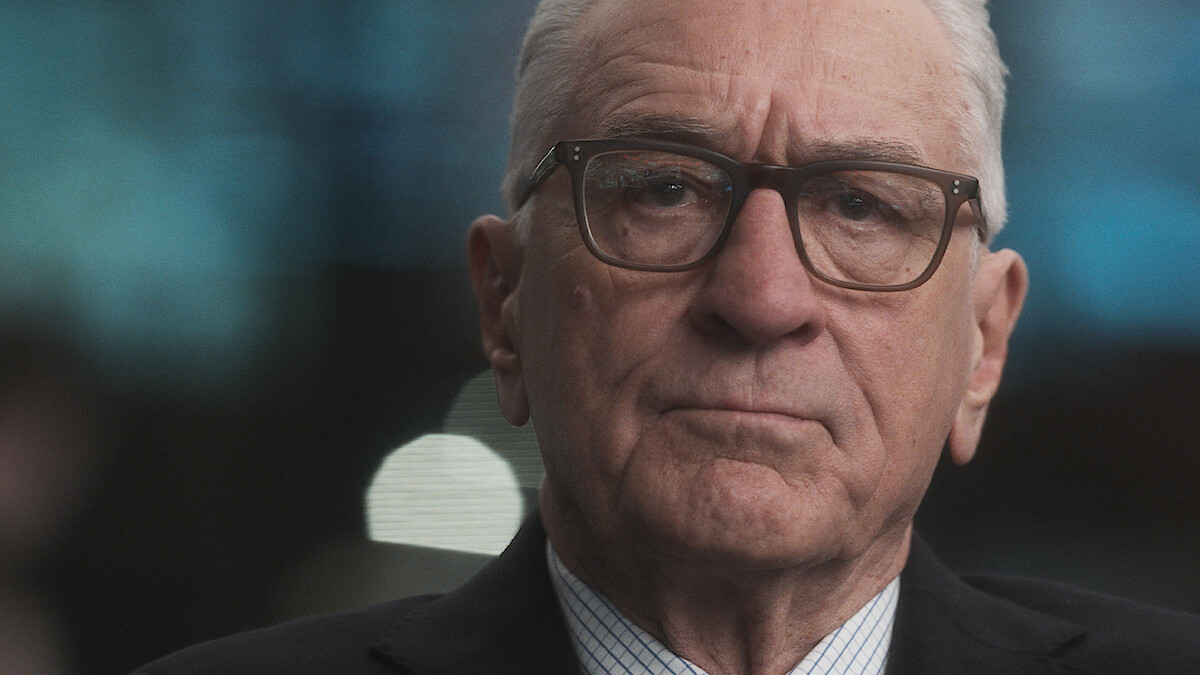
De Niro plays George Mullen. He's a former president. Think of him as a more cynical, grittier version of the elder statesmen we see on the news. He’s been pulled out of retirement to lead a commission investigating a massive cyberattack that basically broke the United States.
In Zero Day episode 2, the stakes aren't just about "who did it." It’s about the terrifying reality that in a digital world, nobody actually knows who to trust. Not the government. Not the tech giants. Definitely not the guy sitting in the Oval Office.
The Chaos Deepens: What Actually Happens in Zero Day Episode 2
The second hour of this show is where the claustrophobia really starts to set in. If the first episode was the "big bang" of the cyberattack, this one is the fallout. Mullen is digging into the debris, and he’s finding that the rot goes way deeper than a simple hack by a foreign adversary.
It’s messy.
The script, written by Eric Newman and Noah Oppenheim, doesn’t hand-hold the audience. You’ve got Mullen navigating these high-stakes meetings where everyone has an agenda. One minute he's dealing with the current President, played with a sort of frantic energy by Bill Camp, and the next he’s staring down tech billionaires who think they’re more powerful than any nation-state.
The pacing is frantic.
One of the standout moments involves the realization that the "Zero Day" vulnerability wasn't just a fluke. It was a choice. Someone left the door open. This shifts the entire narrative from a "war story" to a "whodunnit" with global consequences. You see Mullen’s frustration—the way De Niro uses those tiny facial twitches to show a man who’s seen it all but is still somehow disgusted by what he’s seeing now.
Why the Cyberattack Feels So Real
We’ve seen "hacking" in movies before. It’s usually a guy in a hoodie typing fast while green text scrolls down a screen. Zero Day avoids that cliché.
Instead, it focuses on the psychological weight. The grid is down. People are panicking. The information vacuum is being filled by conspiracy theories. Zero Day episode 2 leans heavily into the idea of "truth decay." When you can't verify anything, everything becomes a weapon.
Director Lesli Linka Glatter—who did amazing work on Homeland—brings that same sense of "the walls are closing in" to this episode. The cinematography is cold. Lots of greys and blues. It makes the corridors of power feel like a morgue.
The Power Players and Hidden Motives
You can't talk about this episode without mentioning the supporting cast. Angela Bassett is, as always, a powerhouse. Her chemistry with De Niro is electric because it’s built on mutual respect and a massive amount of baggage.
Then there’s the tech angle.
The show introduces these Silicon Valley archetypes who aren't just villains; they're "disruptors" who don't care if the world burns as long as they own the ashes. In Zero Day episode 2, we start to see how these private entities have basically supplanted traditional intelligence agencies.
- The NSA is playing catch-up.
- The CIA is hiding its own trail.
- The billionaires are just waiting to buy the leftovers.
It's a cynical view of the world, sure. But is it wrong? Probably not. The episode does a great job of making you question whether Mullen is the hero or just the most "useful" person for a corrupt system to put in charge of the cleanup.
Breaking Down the "Zero Day" Concept
For those not in the tech loop, a "zero day" is a vulnerability in software that the developers don't know about yet. They have "zero days" to fix it.
In the show, this is used as a metaphor for the fragility of modern society. We are all living on a zero-day exploit. Our banking, our power, our water—it's all held together by code that someone, somewhere, knows how to break.
Episode 2 dives into the "Patient Zero" of the hack. The investigation takes a turn toward a specific data center, and the technical jargon is kept just grounded enough that it doesn't feel like a lecture, but you still feel the weight of the disaster.
Misconceptions About the Show's Politics
A lot of people expected Zero Day to be a thinly veiled critique of specific real-world politicians. Honestly? It's broader than that. It’s a critique of the structure of power.
Some viewers thought Zero Day episode 2 would pick a side—left vs. right. It doesn't. Instead, it argues that the real divide is between those who have information and those who are being manipulated by it. Mullen isn't a saint. He’s a guy who knows where the bodies are buried because he might have helped dig some of the holes himself.
This nuance is what makes the show work. It’s not a "rah-rah" American hero story. It’s a "how did we let it get this bad?" story.
The Robert De Niro Factor
Let’s be real: we’re all here for Bobby.
Watching him in a long-form series is fascinating. He doesn't have to rush his performance. In Zero Day episode 2, there are long stretches where he doesn't say a word. He just listens. But you can see the wheels turning.
It’s a masterclass in "less is more."
Compare this to his more explosive roles in Casino or Goodfellas. This version of De Niro is quieter, more weary. He carries the weight of a former presidency in his shoulders. When he finally loses his temper in a scene involving a recalcitrant witness, it’s not a shout—it’s a controlled burn.
What Most People Get Wrong About Episode 2
There's a common complaint that the show is "too slow."
I disagree.
The "slow" parts are where the actual world-building happens. If it were just explosions and car chases, it would be Die Hard with a laptop. Zero Day episode 2 is about the quiet conversations in dark rooms where the actual fate of the country is decided.
It’s also not just about Russia or China. The show is smart enough to suggest that the threat might be homegrown. Or worse, it might be an automated system that no one is even controlling anymore. That’s the true horror of a zero-day scenario—the loss of human agency.
Actionable Takeaways for the Viewer
If you’re watching this and feeling a bit of existential dread, you’re not alone. The show is designed to make you look at your phone a little differently. Here is how to actually process the themes in Zero Day episode 2 without losing your mind:
- Audit your digital footprint. The show highlights how easily personal data is weaponized. While you probably aren't a former president, basic digital hygiene (MFA, password managers) is the "armor" the show suggests we're all missing.
- Watch the background details. The news tickers and radio broadcasts in the show provide a ton of context about the state of the world outside of Mullen’s immediate circle. It builds a much bigger picture of the crisis.
- Pay attention to the "Commission" members. Each person on Mullen's team represents a different facet of the American establishment. Their infighting in episode 2 is a roadmap for how the rest of the season will play out.
- Don't look for a "villain" in a cape. The antagonist in this show isn't a person; it's a systemic failure. If you try to find one "bad guy," you'll miss the point.
The next logical step for anyone following this series is to look into the real-world history of the "Zero Day" vulnerabilities that inspired the show’s writers. Researching the 2010 Stuxnet attack or the 2017 NotPetya malware provides a terrifying amount of context for why the events in this episode feel so plausible. Keep a close eye on the character of the "Fixer" introduced toward the end of the episode; their connection to Mullen's past is clearly the key to the season's endgame.