Movies about real-life intelligence operations usually feel like one of two things: a dry, dusty documentary or a loud, Michael Bay-style explosion fest. Kathryn Bigelow didn't do that. When people look back at the Zero Dark Thirty cast, they aren't just looking at a list of actors; they’re looking at what basically became a "who’s who" of Hollywood's future heavyweights. It's wild. Back in 2012, half of these people weren't even household names yet.
They were just actors in tan tactical gear or grey suits.
The film follows the decade-long hunt for Osama bin Laden. It centers on Maya, played by Jessica Chastain. Maya isn't a superhero. She’s obsessed. She’s tired. Honestly, she’s kind of a prickly person to be around, which is why the performance works so well. Chastain didn't play her as a "girl boss" archetype; she played her as a bureaucrat who forgot how to have a life because she was too busy staring at grainy satellite footage.
The Zero Dark Thirty Cast and the Weight of Realism
Bigelow and screenwriter Mark Boal (who also worked together on The Hurt Locker) had a very specific vibe in mind. They needed people who could look like they actually worked for the CIA or lived in a Navy SEAL barracks.
Jessica Chastain was the anchor. Before this, she was in The Tree of Life and The Help, but this was different. This was cold. She reportedly based her performance on a real CIA officer, often referred to as "Jen," though the agency has obviously been tight-lipped about the specifics. You can see it in her face—the way she ages over the course of the film's timeline. It’s not just makeup. It’s the way she carries herself.
Then you have Jason Clarke as Dan.
If you haven't seen the movie in a while, his scenes are the hardest to watch. He’s the interrogator. He’s the one in the black sites. Clarke brings this weird, unsettling casualness to the role of a man whose job involves breaking other humans. It's not "movie" torture with a villainous monologue; it's a guy in a dirty t-shirt who looks like he needs a nap and a sandwich, which makes it ten times more disturbing.
The Supporting Players You Forgot Were There
The depth of the Zero Dark Thirty cast is actually insane when you look at the credits today.
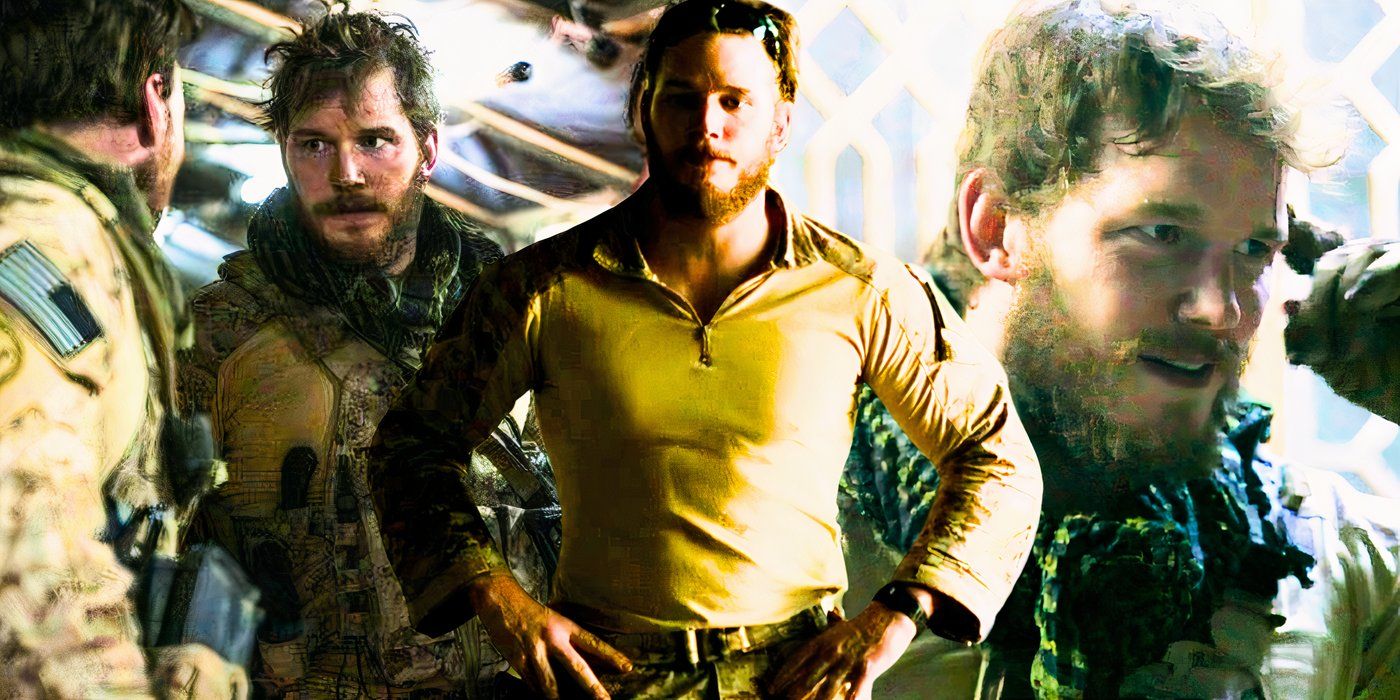
- Chris Pratt: Before he was Star-Lord, he was Justin, a member of SEAL Team Six. He’s still got some of that Parks and Rec "Andy Dwyer" bulk, but he’s starting to lean out. It’s a very grounded performance.
- Joel Edgerton: He plays Patrick, the team leader. Edgerton is a master of saying a lot while doing very little. He’s the professional.
- James Gandolfini: Seeing Tony Soprano as the CIA Director (Leon Panetta, though unnamed) was a stroke of genius. He brings that heavy, weary authority that the role needed. He’s the one who finally asks Maya, "What do you think of the girl?"
- Jeremy Strong: Long before Succession, he was Thomas, one of the analysts. He’s got that same twitchy, intense energy, just dialed down into a 2010s intelligence analyst vibe.
Why This Specific Ensemble Mattered
Most war movies fail because the actors look like they’re playing dress-up.
In Zero Dark Thirty, the cast feels lived-in. When you see Kyle Chandler as Joseph Bradley, the Islamabad Station Chief, you see a man who is genuinely annoyed by Maya’s persistence. He’s not a "villain" for disagreeing with her; he’s a guy trying to manage a diplomatic nightmare while she’s screaming about a courier. That’s the nuance people miss.
The film doesn't really have "bad guys" on the American side, just people who are exhausted and cynical.
And let's talk about the SEALs for a second. Aside from Pratt and Edgerton, you’ve got Callan Mulvey and Frank Grillo. These guys actually trained. They didn't just show up and hold guns. They spent time with actual operators to understand the "short-hand" of how these teams communicate. In the final raid on the Abbottabad compound, there is almost no talking. It’s all hand signals and muffled whispers. That requires a level of physical acting that most people overlook.
The chemistry isn't about friendship; it's about professional synchronization.
The Controversy That Followed the Cast
It wasn't all red carpets and praise. The Zero Dark Thirty cast found themselves in the middle of a massive political firestorm. Because the film depicted "enhanced interrogation techniques" (torture) as a path to finding the lead on bin Laden’s courier, people were furious.
Senators John McCain and Dianne Feinstein actually wrote a letter to Sony Pictures. They called the movie "grossly inaccurate."
For the actors, this was a weird spot to be in. Jessica Chastain had to defend her character's actions while also making it clear that the movie wasn't an endorsement of torture. It was a depiction of a specific era in American intelligence. Mark Boal always maintained that the film was a "first draft of history," based on extensive research, but the controversy definitely impacted the film’s Oscar chances. It went from the frontrunner to a bit of an outcast by the time the ceremony rolled around.
The Subtle Excellence of the "Table Scenes"
Some of the best work from the Zero Dark Thirty cast happens in windowless rooms.
Take Jennifer Ehle as Jessica. She’s the heart of the first half of the movie. Her relationship with Maya is the only real "friendship" we see. When the Khost base bombing happens (a real event from 2009 where a double agent blew himself up), the impact on the audience is huge because Ehle made us like her. She brought a warmth to a movie that is otherwise ice-cold.
Then you have Mark Duplass and Harold Perrineau.
These are guys usually known for comedy or character work. Seeing them in a high-stakes CIA environment works because it adds to the "everyman" feel of the agency. These aren't super-spies in tuxedos. They’re people who drink too much coffee and work in cluttered offices with bad lighting.
Technical Accuracy and the Cast’s Commitment
To get the raid right, the actors had to handle the GPNVG-18 night vision goggles. If you’ve ever seen them, they’re the ones with four tubes. They’re heavy. They mess with your depth perception.
The cast didn't just wear props. They wore the weight.
The raid sequence was filmed in Jordan and on sets that were 1:1 replicas of the actual compound. Bigelow filmed it in near-total darkness to mimic what the SEALs actually saw. This meant the actors were basically stumbling around a dark house with heavy gear, which adds a layer of frantic, tactile reality to the footage. You can’t fake that kind of physical tension.
The Actors Behind the Targets
We should also mention the actors playing the residents of the compound and the courier. Yoav Levy, who played Abu Ahmed al-Kuwaiti, had a thankless but vital job. He had to be the "ghost" that Maya was chasing for years.
The film also avoids the trope of making the targets cartoonish. During the raid, the confusion and terror of the families inside the house are palpable. It’s messy. It’s loud. It’s deeply uncomfortable. The cast involved in those scenes had to portray the sudden, violent end of a decade-long hide-and-seek game without it feeling like a cheap action movie.
How to Appreciate the Zero Dark Thirty Cast Today
If you're going back to watch it now, forget the politics for a minute. Look at the faces.
Look at how Edgar Ramirez (who plays Larry) handles the tradecraft scenes. Look at the small, uncredited roles filled by actors who have since gone on to lead their own series. It’s a masterclass in ensemble casting where no one is trying to "out-act" anyone else.
The goal was always the mission.
The film ends not with a celebration, but with Maya sitting alone on a massive cargo plane. She’s asked, "Where do you want to go?" and she has no answer. She cries. Not because she’s happy, but because she’s empty. Chastain’s ability to convey that total loss of purpose is why that movie stays with you.
Actionable Takeaways for Movie Buffs
- Watch for the "Quiet" Moments: Pay attention to the scenes where the CIA analysts are just arguing in a conference room. That's where the real "war" was fought for ten years.
- Compare the Roles: Watch Chris Pratt in this and then watch him in Guardians of the Galaxy. It’s a wild reminder of his range before he became a "movie star."
- Research the Real People: While the names are changed, the roles played by the Zero Dark Thirty cast are almost all based on real intelligence officers and operators. Reading the book No Easy Day by Mark Owen (a pseudonym for one of the SEALs) gives a lot of context to the raid scenes.
- Check the Credits: Seriously, look at the minor roles. You’ll see faces from The Bear, The Last of Us, and Hamilton.
The movie remains a polarizing piece of cinema, but the craft of the actors is undeniable. They took a massive, sprawling geopolitical event and made it about human obsession, exhaustion, and the heavy price of getting what you want.
To truly understand the impact of the performances, it's worth watching the "Making Of" featurettes that focus on the military training. Most of the actors playing the SEALs went through a condensed version of BUD/S training to ensure their movements—how they hold a corner, how they clear a room—were instinctively correct. This level of dedication is why, over a decade later, the film still feels like a definitive, albeit controversial, record of that era. Check out the 4K restoration if you can; the detail in the night-time raid sequence is significantly clearer, allowing you to see the nuanced physical acting of the SEAL team even in the shadows.