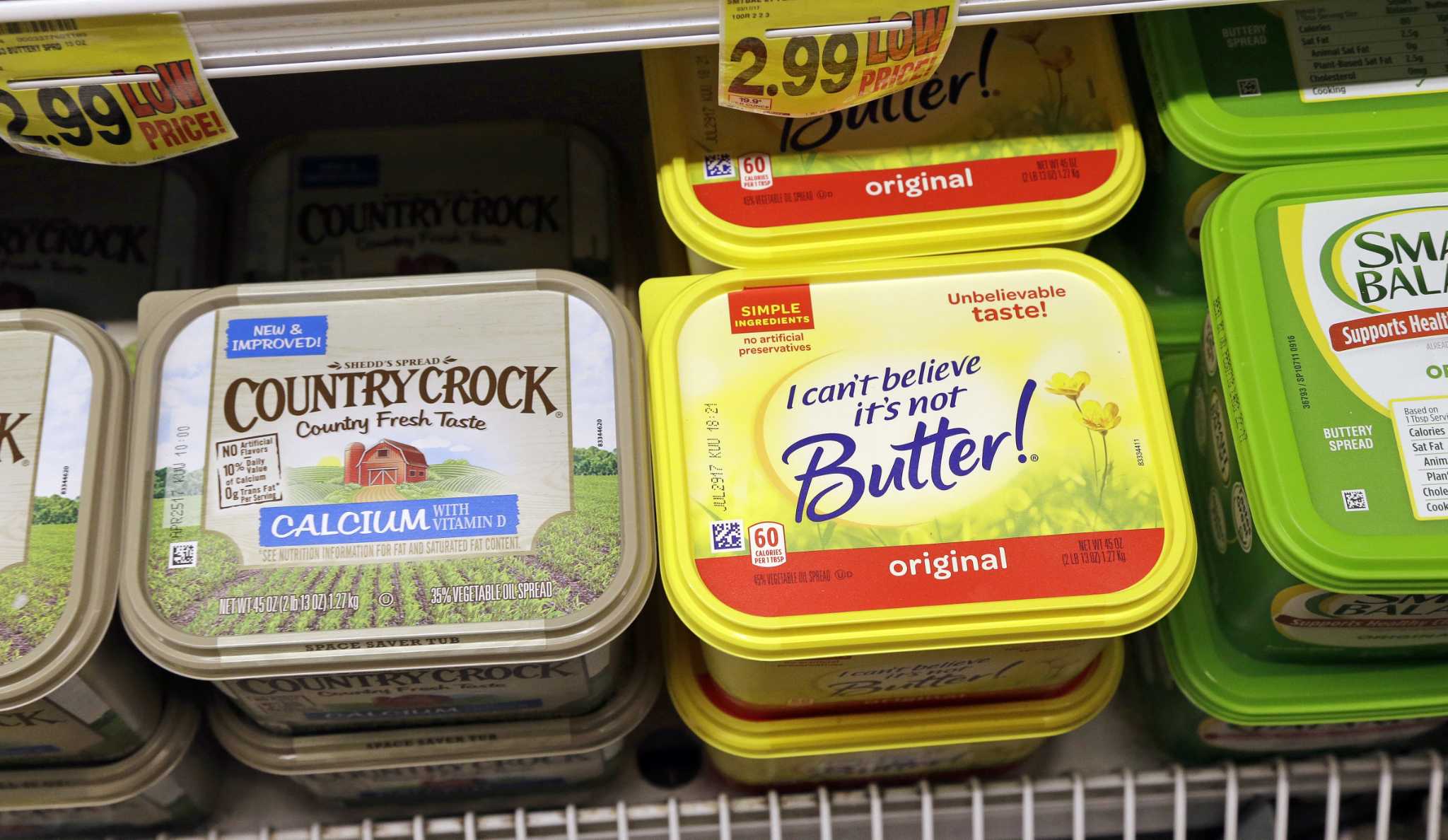
You’ve probably seen it a million times. You're standing in the baking aisle, looking at those bright yellow bottles of zero calorie butter spray, and thinking it’s a total miracle. A way to get that salty, movie-theater flavor without the guilt of actual fat? Sounds too good to be true. Honestly, that’s because it mostly is.
I’ve spent years looking at food labels and chemical compositions, and the "zero calorie" claim is one of the most clever bits of marketing in the modern grocery store. It’s not a lie, technically. But it’s a very specific kind of truth that relies on you not reading the fine print. If you’ve been drenching your popcorn in this stuff thinking you’re consuming nothing but flavored air, we need to talk.
The Math Behind the "Zero"
The FDA has this rule. It’s a simple rule, really. If a serving size contains fewer than five calories, a manufacturer can legally round that number down to zero. That’s why your Tic Tacs say zero calories even though they’re basically pure sugar.
With zero calorie butter spray, the serving size is usually one or two sprays. That’s a tiny fraction of a gram. In that microscopic amount, there really are fewer than five calories. But here is the thing: nobody uses just one spray. When you’re coating a giant bowl of popcorn or trying to sauté a chicken breast, you’re probably hitting that trigger 20, 30, or even 50 times.
Suddenly, your "zero calorie" topping has 40 or 50 calories. Is that a lot compared to a stick of real butter? No. But it’s definitely not nothing. If you’re tracking every macro for a bodybuilding show or trying to stay in a strict deficit, those hidden calories from vegetable oil and lecithin start to add up.
What’s Actually Inside the Bottle?
If it isn't butter, what is it? Most of these sprays, like I Can't Believe It's Not Butter! or Parkay, follow a very similar recipe. The primary ingredient is usually water. That's why it sprays so easily. After water, you’ll usually find soybean oil or some other vegetable oil blend.
- Salt: Lots of it. That’s where the flavor primarily comes from.
- Lecithin: This is an emulsifier that keeps the oil and water from separating into a mess.
- Potassium Sorbate: A preservative so the bottle can sit in your pantry for months without growing anything weird.
- Beta Carotene: For that classic yellow color.
- Natural and Artificial Flavors: This is the "secret sauce" that mimics the diacetyl found in real dairy.
Some people worry about diacetyl. It’s the compound that gives butter its characteristic aroma. Years ago, there were major health concerns regarding "popcorn lung" (bronchiolitis obliterans) in factory workers who inhaled massive amounts of diacetyl in microwave popcorn plants. While the amounts in your kitchen spray are negligible, many brands have moved toward safer flavoring alternatives. It’s just one of those things you should be aware of if you’re trying to move toward a whole-foods diet.
Does It Actually Work for Cooking?
Using zero calorie butter spray for flavor is one thing. Using it for high-heat cooking is another.
Because these sprays are mostly water, they have a tendency to sputter and evaporate quickly if you hit a screaming hot pan with them. If you’re trying to sear a steak, don’t bother. You’ll just get a watery mess and a weird burnt-plastic smell. However, for low-heat tasks like scrambling eggs or keeping pancakes from sticking, they’re surprisingly effective.
I’ve noticed that if you spray the food after it’s cooked, the flavor stays much more "buttery." Heat tends to kill the artificial flavor compounds. If you’re roasting broccoli, toss it in the oven with a little salt and pepper first. Then, hit it with the spray right as it comes out. The residual heat will melt the oils slightly, giving you a better mouthfeel than if you’d baked the spray into oblivion.
The Psychological Trap
There’s this thing called the "Health Halo." It’s a psychological effect where we eat more of something because we perceive it as healthy or "free."
When you use real butter, you’re cautious. You see the tablespoon. You know it’s 100 calories. You use it sparingly. But when the bottle says zero, your brain gives you a green light to go wild. People end up eating larger portions of the underlying food—like a massive bowl of popcorn—simply because the topping is "free."
Honestly, sometimes you’re better off using a tiny pat of real, grass-fed butter. The fat in real butter triggers satiety signals in your brain. It tells your body, "Hey, we’re eating, we’re full." The chemical mimics in zero calorie butter spray don't always trigger those same signals, which might leave you rummaging through the pantry twenty minutes later.
Better Alternatives for the Calorie-Conscious
If you’re looking for that buttery hit without the heavy calorie load, you don't necessarily have to stick to the chemical sprays.
- Ghee in a Misters: You can buy a reusable oil mister (like a Misto) and fill it with melted ghee. Ghee has a much higher smoke point than butter and a more intense flavor, so you need less of it.
- Butter Buds: These are dehydrated butter granules. They have calories, but they’re very concentrated. A little sprinkle over baked potatoes goes a long way.
- Nutritional Yeast: I know, I know. It sounds like something from a hippie commune. But "nooch" has a weirdly cheesy, nutty flavor that satisfies the same craving as buttered popcorn. It’s also packed with B vitamins.
The Final Reality Check
Is zero calorie butter spray "bad" for you? Probably not in moderation. If it helps you eat a plate of steamed spinach that you’d otherwise find repulsive, then it’s a net win for your health.
But don't be fooled by the marketing. It’s a tool. It’s a chemical convenience. Treat it like a supplement to your diet rather than a primary ingredient. Use it to accent flavors, but don't rely on it to provide the nutrition or the satiety that real food offers.
If you're going to use it, the best way to avoid the "hidden calorie" trap is to count your sprays. Treat every 10-15 sprays as roughly 15-20 calories. It’s a more honest way to track your intake and ensures you aren't stalling your progress with "invisible" fats.
Actionable Next Steps
- Check the serving size: Look at the back of your spray bottle. Notice how many seconds of spraying constitutes a serving.
- Track it accurately: If you're using more than a quick spritz, log it as 1-2 grams of fat in your tracking app to account for the rounding errors.
- Try a "Post-Heat" application: Spray your vegetables or grains after they come off the stove to preserve the flavor and prevent the oils from breaking down.
- Rotate with real fats: Use the spray on weekdays, but don't be afraid of small amounts of olive oil or real butter on the weekends to ensure you're getting fat-soluble vitamins like A, D, and K.