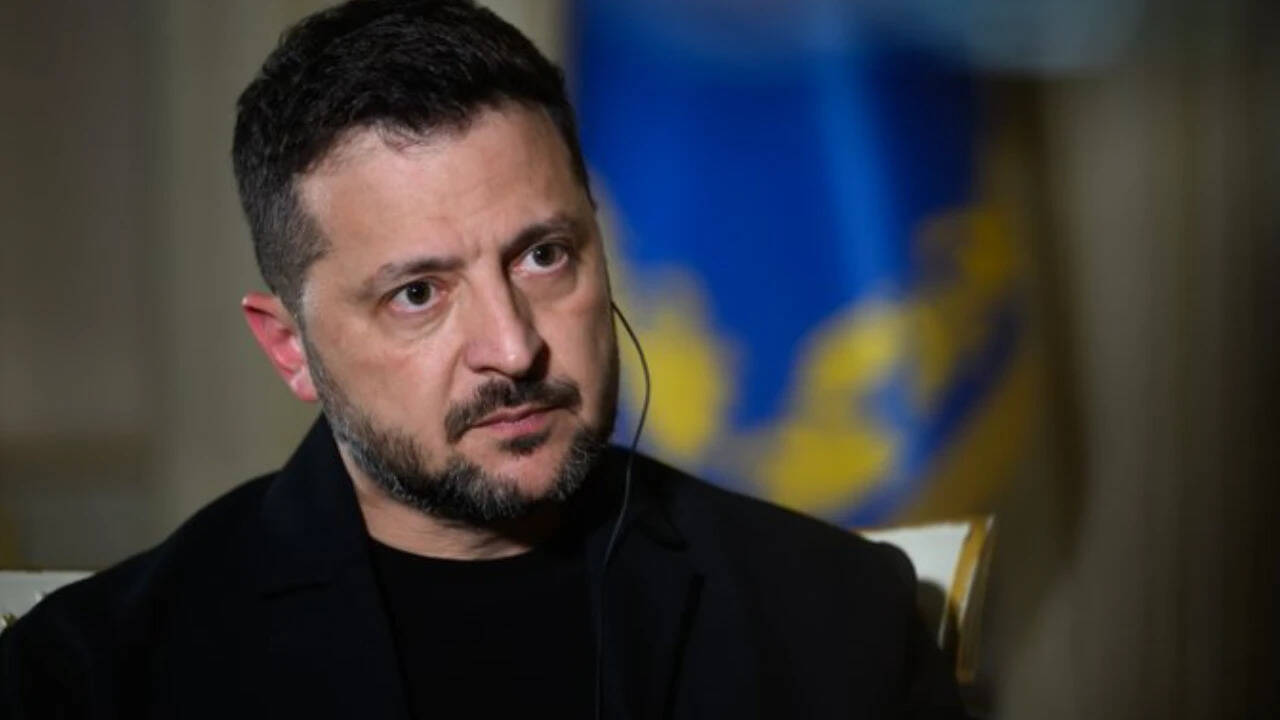
Zelenskyy called Russian peace moves a "parody" because Moscow isn't looking for a real settlement—it's playing for time and cash. Speaking in Brussels at a European Union summit in October 2026, Ukrainian President Volodymyr Zelenskyy tore into both the Kremlin's diplomatic posture and President Donald Trump's diesel arrangement with Russia.
Let's be honest. When war zones collide with global oil chokepoints and domestic election math, diplomacy gets messy fast. You don't need a degree in foreign policy to see what's happening here. Washington wants calm energy markets before votes are cast. Moscow wants revenue and breathing room. Kyiv wants survival, weapons, and money that doesn't end up financing the very army trying to break it.
What Actually Sparked Zelenskyy's Outburst in Brussels
Most quick news summaries skim over the mechanics. They mention a sharp quote and move on. That misses the whole point.
Zelenskyy didn't just wake up and throw insults at a podium. His remarks in Brussels came right as global energy markets were rattled by turmoil around the Strait of Hormuz and the wider Middle East conflict, with Washington looking for ways to ease fuel pressure ahead of the November 2026 US midterm elections. Trump had already criticized Ukrainian strikes on Russian oil refineries, arguing they pushed energy prices higher at a politically sensitive moment.
Then came the diesel deal. According to reporting on the fallout, Russian envoy Kirill Dmitriev—head of the Russian Direct Investment Fund—indicated the fund would help facilitate diesel payments and handle tactical logistics alongside US involvement. From Kyiv's vantage point, that wasn't a clever market fix. It was a lifeline handed straight to Moscow.
Zelenskyy put it bluntly: a diesel arrangement won't fix what's happening around the Strait of Hormuz, yet it puts cash straight into Vladimir Putin's pocket to keep funding the war. At the same time, he dismissed Moscow's talk around negotiations, saying Putin doesn't want peace talks in any form and that the Kremlin's supposed responses look like a parody of a genuine desire to end the fighting.
Why Russian Peace Moves Look Like Theater to Kyiv
If you watch how Russia negotiates, you'll notice a pattern. Talks often surface when sanctions pressure builds or when Western capitals start debating new constraints.
Think about what happened earlier in the conflict's diplomatic cycle, including back-channel discussions involving US envoy Steve Witkoff and Dmitriev around a 28-point peace concept. Analysts at Chatham House pointed out how Moscow uses slow-moving diplomacy to stall enforcement of oil sanctions, delay tougher legislative measures, and lock in territorial realities on the ground. Meanwhile, Putin has openly pushed the idea of a "security zone" inside Ukraine along the border—treating Russian demands as non-negotiable while claiming openness to talks.
That gap between words and actions is why Zelenskyy used the word "parody". If one side demands permanent concessions, refuses to halt attacks, and treats occupied territory as settled business, calling that "peace moves" insults everyone's intelligence.
The Real Tension Behind Trump's Deal and Ukraine's Refineries
Here's where people get tripped up. They treat this as a simple personality clash between two leaders. It's way more structural than that.
For the White House, fuel prices aren't an abstract economic chart. When diesel or gasoline spikes before an election, voters feel it at the pump every single day. Trump has blamed Ukrainian refinery strikes for driving up energy costs, viewing Kyiv's long-range pressure on Russian oil infrastructure as a direct political headache.
For Ukraine, those same refineries are legitimate military-economic targets. Cutting into Russia's fuel production and export capacity degrades the logistics and revenue that keep Moscow's war machine moving. From Kyiv's side, asking Ukraine to hold back on hitting refineries while letting Russian diesel flow back into global trade looks backward—especially when Ukrainian cities and power grids are still taking drone and missile hits.
In real-world crisis management, short-term price relief almost always collides with long-term strategic pressure. You see this in sanction waivers and energy carve-outs across crises: diplomats try to cool prices today and accidentally hand adversaries fresh cash for tomorrow.
The Money Math Ukraine Brought to Europe
Big speeches don't buy air defense interceptors or artillery shells. Invoices do.
In Brussels, Zelenskyy laid out hard numbers for European leaders, stating that the war will cost €155 billion the following year and that Ukraine needs at least €70 billion more from EU partners for defense, weapons, and resilience. He called his European counterparts "real leaders" and urged them to find that support so Ukraine can keep holding Russia back.
Those figures highlight a stark reality. Even when Washington pushes a transactional angle or tries to calm energy markets, Europe faces the bill and the security fallout right on its doorstep. And there's genuine debate inside Western capitals over how much financial strain taxpayers can absorb while juggling defense spending, inflation, and competing global crises. I'm not going to pretend those budget trade-offs are easy for European governments—they're tough politically, even among Ukraine's strongest backers.
Common Misconceptions About This Clash
- Misconception 1: Ukraine opposes any end to the fighting. Kyiv wants the war to end, obviously, after years of devastation. What Zelenskyy rejects is a sham process that rewards aggression or leaves Ukraine stripped of deterrence.
- Misconception 2: Energy deals automatically stabilize global oil markets. Global energy prices respond to major chokepoints like the Strait of Hormuz, shipping risks, and broader supply shocks. A single bilateral diesel arrangement doesn't magically erase wider supply disruptions, even if it shifts who gets paid.
- Misconception 3: Diplomatic headlines equal real progress. Back-and-forth statements from Washington, Moscow, and Brussels happen constantly. Real progress requires verifiable ceasefires, enforceable security guarantees, and actual alignment on sanctions—not just talking points.
What to Watch and Do Next
If you're following this story—whether as a market watcher, policy reader, or someone trying to cut through cable-news noise—don't get hooked on single quotes alone. Track the mechanics that actually move outcomes.
- Follow oil and diesel flow data, not just speeches. Watch how energy trade routes, payment mechanisms, and refinery strike reports evolve over the coming weeks. Money flows tell you far more than press briefings.
- Watch EU budget and defense commitments. Check whether European leaders convert Zelenskyy's funding requests into firm multi-year allocations or stall behind domestic budget fights.
- Compare stated terms against verifiable actions. Whenever you hear about a "peace initiative" or "talk of negotiations," look for concrete movement on territorial terms, troop postures, and enforcement mechanisms rather than vague openness.
- Cross-check multiple primary reports. Read coverage from wire services like Reuters alongside independent policy analysis to separate domestic election spin from hard geopolitical facts.
In politics, words are cheap, barrels are expensive, and nobody gives up leverage without a fight.