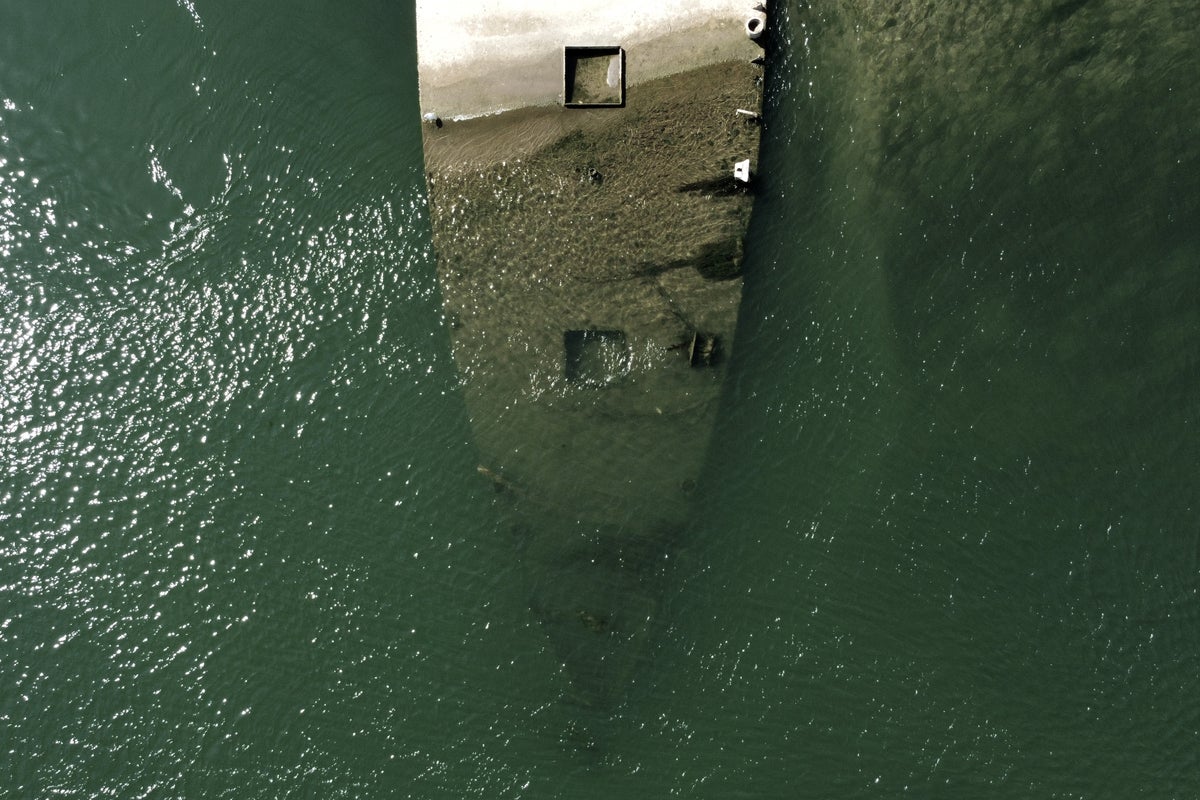
Record-breaking droughts across Europe are turning history literal. When the Danube River shrinks, it doesn't just expose sandbanks; it digs up an 80-year-old graveyard of sunken military vessels. Near the port town of Prahovo in eastern Serbia, rusted hulls, twisted tugboats, and heavily armed Nazi warships are breaking the water's surface once again.
It is a striking sight. But beneath the grim curiosity of walking on a rusted deck lies a massive economic headache and an unmistakable warning about environmental shifts.
The History Behind the Sunken Fleet
These aren't random shipwrecks. In September 1944, Nazi Germany’s Black Sea Fleet faced a desperate retreat. The Soviet Red Army was closing in rapidly, and Romania had just switched sides, turning the riverbanks hostile.
Realizing they couldn't navigate past the narrow Iron Gates gorge upstream, German commanders ordered an evacuation. More than 4,000 personnel crammed onto barges, landing craft, hospital ships, and tugboats converted into minesweepers. When escape became impossible, they scuttled roughly 200 vessels right across the shipping channel at Prahovo.
The goal was simple: block the Soviets and halt commercial traffic. It worked too well. Decades later, those sunken ghosts are still sitting right where they were scuttled.
Why They Keep Coming Back
Water levels on the Danube have dropped drastically during recent heatwaves. While the wrecks have briefly poked through the surface during previous dry spells in 2003, 2011, 2022, and 2024, this summer's drop is on another level. Hulls that were once safely underwater are now sitting entirely on dry sandbanks.
Climate scientists point out that rising air temperatures across Europe create thirstier atmospheres, evaporating soil moisture at unprecedented rates. When rain shortfalls hit, rivers drop faster than they used to. Couple that with centuries of human engineering—dams, dredging, and straightened riverbeds that eliminate natural floodplains—and you get severe, rapid-onset low-water events.
The Hidden Danger and Cost
These exposed relics are more than roadside attractions for curious locals and photographers. They are a navigational nightmare.
The Danube is a vital commercial highway stretching across ten countries. When the water falls and these ships emerge, the navigable channel narrows dangerously. Modern cargo barges cannot run at full capacity because they risk running aground on centuries-old ordnance and rusted steel. Serbia loses millions of dollars annually in transport delays and trade bottlenecks caused by the wrecks.
Clearing them out is brutally difficult. Many of these vessels still hold live explosives and unexploded mines. Moving a warship packed with decaying munitions requires specialized engineering teams, which is why a multi-million-euro removal operation backed by the European Investment Bank has faced slow progress.
Until the project finishes, every drop in the river brings the ghosts of 1944 back to life, reminding everyone that the past is never truly buried.