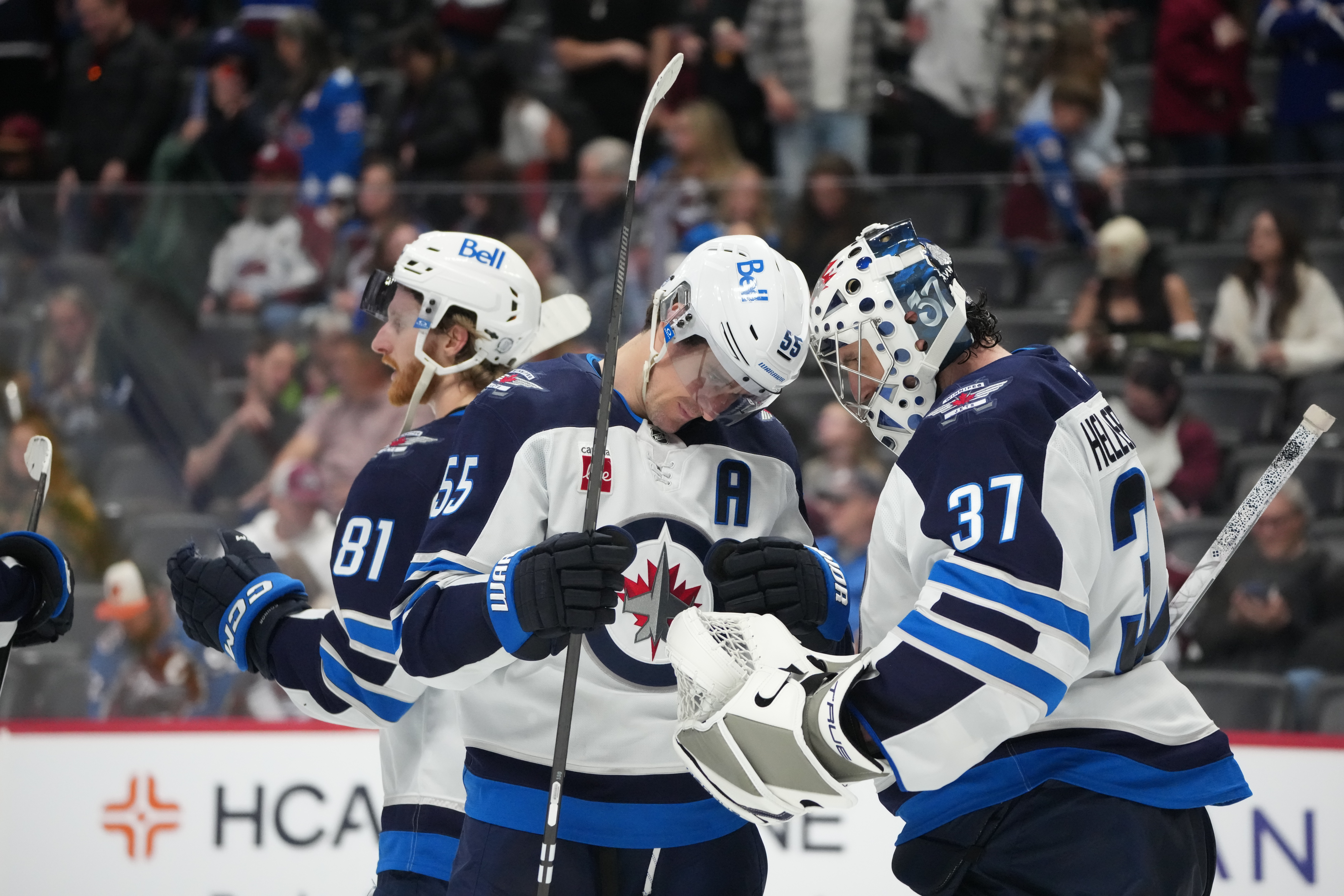
The Winnipeg Jets almost handed a win to the Chicago Blackhawks on a silver platter. Leading by two goals in the third period usually means a quiet night for the equipment managers and a happy flight home. Instead, Winnipeg fell into a defensive coma, let a struggling Chicago team dictate the pace, and had to rely on a moment of brilliance in overtime to escape with a 4-3 victory. If you’re a Jets fan, you’re happy with the two points, but you’re probably wondering why this team keeps taking its foot off the gas.
It was a messy game. It was a frustrating game. But for a team with Stanley Cup aspirations, it was also a reminder that the NHL doesn’t have easy nights, even against teams at the bottom of the standings.
Defensive lapses almost ruined a dominant start
For the first forty minutes, the Jets looked like the superior team. They were faster, heavier on the puck, and cleaner in their transitions. Kyle Connor and Mark Scheifele were doing what they do best—finding space and making the Chicago defenders look like they were skating in sand. When the scoreboard showed a multi-goal lead heading into the final frame, the United Center crowd felt quiet. It felt over.
Then the script flipped. Chicago didn't suddenly become a powerhouse. Winnipeg just stopped playing. They started chipping pucks to center ice instead of making crisp passes. They stopped winning the board battles in their own zone. When you give a team like the Blackhawks life, especially with players like Connor Bedard lurking, you're asking for trouble.
The Blackhawks' comeback wasn't some tactical masterclass. It was pure opportunism. They capitalized on a Winnipeg squad that thought the game ended at the second intermission. The tying goal late in the third period was a direct result of missed assignments and a failure to clear the crease. Connor Hellebuyck made the initial stops, but he can't do everything.
The overtime heroics and the Scheifele factor
Overtime in the NHL is basically a coin flip, but the Jets have a bit of an edge when it comes to three-on-three hockey. They have the finishing talent that Chicago lacks outside of their top stars. Mark Scheifele ended the drama with a clinical finish, securing the win and sparing his teammates a very long, very quiet locker room session.
Scheifele’s goal was a beauty. It reminded everyone that despite the mid-game slump, the Jets' core talent is elite. He’s been the engine for this team for a long time. When the pressure is on and the ice opens up, he’s one of the most dangerous players in the league. He didn't panic when the game got tight. He just waited for his look and took it.
Winning ugly is a skill. Every championship team has nights where they don't have their best stuff or where they blow a lead and have to scramble. The key is actually coming out on the right side of those messes. Winnipeg did that, but they can't make a habit of it.
Why the Jets keep playing with fire
This isn't the first time we’ve seen this version of the Jets. They have a tendency to get "heavy legs" when they’re protecting a lead. Instead of staying aggressive and keeping the puck 200 feet away from their net, they retreat into a shell. It’s a dangerous way to live in a league where every team has at least one or two guys who can score from the circle if you give them a second of daylight.
Coach Scott Arniel is going to have a lot of film to go over after this one. He won't be happy with the puck management in the third. You can't let a team like Chicago back into a game when you have them down. It’s about killer instinct. The elite teams in the West—the Colorados and the Vegases of the world—don't just win; they bury you. Winnipeg is still learning how to do that consistently.
The Jets' power play also looked a bit stagnant at times. They went through stretches where they were just passing around the perimeter without any real threat of a shot. Against a more disciplined penalty kill, those empty possessions turn into shorthanded breaks or lost momentum. They need more North-South play and fewer pretty cross-ice passes that get intercepted.
Looking at the big picture in the Central Division
The Central Division is a meat grinder. Every point matters. Dropping a point to Chicago by losing in overtime or a shootout would have been a disaster in the standings. These are the games that haunt you in April when you're fighting for home-ice advantage.
Chicago, for their part, showed some heart. They’re a young team in the middle of a massive rebuild. Getting a point against a powerhouse like Winnipeg is a moral victory for them. They’re learning how to compete, and Bedard continues to be the focal point of everything they do. But for Winnipeg, "moral victories" don't exist. It’s about results.
The road ahead doesn't get easier. If the Jets want to be taken seriously as a top-tier contender, they have to clean up the mental errors. You can't have five-minute lapses where the defense forgets how to track a late man into the zone. You can't have your top lines cheating for offense when the game is on the line.
Winnipeg got the win. They got the two points. They should be happy about the result, but the process was flawed. They need to find a way to stay engaged for a full sixty minutes, or the next time they blow a lead, the ending won't be so kind.
Take a close look at the upcoming schedule. The Jets have a string of games against divisional rivals coming up. They need to tighten the neutral zone defense immediately. Watch the gap control on the blue line in the next game. If they continue to back off and give up the zone easily, expect more high-scoring, heart-attack finishes. Fix the defensive shell or prepare for more overtime stress.